
If you’ve scrolled TikTok for longer than three swipes, you’ve probably seen some kind of “miracle” powder, gummy, or capsule that promises to make you drop pounds faster than you can say “link in bio.” But here’s the thing: Gen Z isn’t just blindly buying every random supplement that flashes across their For You Page—they’re picking and choosing what feels authentic, affordable, and, let’s be honest, aesthetic enough to sit on their nightstand.
So what are people actually buying, and do these trendy weight loss supplements do anything besides empty your Venmo balance? Let’s break it down.
1. Greens Powders: The Glow-Up in a Cup
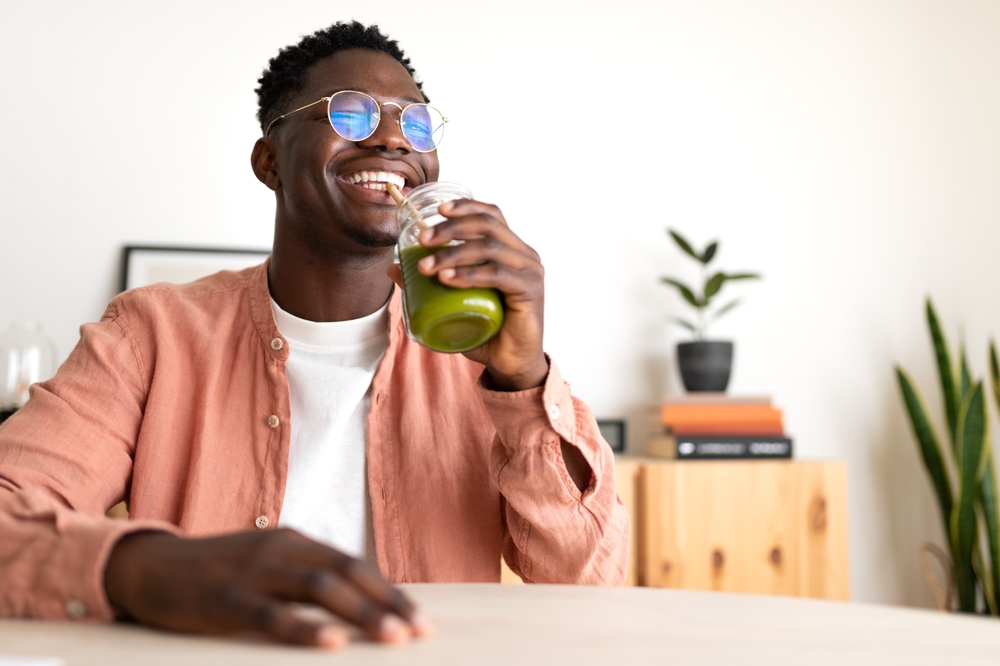
Gen Z loves a vibe shift, and nothing screams “wellness era” like stirring neon green powder into your Stanley cup. Marketed as metabolism-boosting, bloat-reducing, and gut-healing, greens powders are all over social media.
Do they work? Kind of. They can help you hit some micronutrients and fiber goals, but they’re not a replacement for actual veggies. More “expensive salad dust” than “magic fat-melter.”
2. Apple Cider Vinegar Gummies: Sour, Sweet, and… Effective?
ACV shots had their moment (and their collective gag reflex), but gummies made the trend actually tolerable. Gen Z is popping them for appetite control, digestion, and TikTok clout.
Do they work? The science is mid. A few studies suggest ACV may slightly help with blood sugar regulation, which can indirectly support weight management. But if you’re expecting a gummy to replace gym time—nah.
3. Collagen Peptides: More Than Just a Skin Thing
Collagen has escaped the beauty aisle and slid right into the fitness chat. Many young buyers believe it helps build lean muscle and aids recovery, making it a staple in protein shakes.
Do they work? Collagen won’t directly torch fat, but paired with strength training, it can help muscle repair, which keeps your metabolism humming. Plus, glowing skin doesn’t hurt.
4. Fat-Burning Pre-Workouts: Energy or Anxiety?
Pre-workout powders promising “thermogenic fat burn” are popular among gymtok creators. They usually contain caffeine, green tea extract, or cayenne pepper.
Do they work? You’ll sweat more—partly from the workout, partly from the 300mg of caffeine coursing through your soul. They can give you an energy boost, but the “fat burning” is mostly marketing.
5. Fiber Supplements: The Underrated MVP
TikTok may hype flashy powders, but Gen Z is also quietly buying fiber gummies and powders. Why? Bloating, digestion, and appetite control are very real concerns.
Do they work? Yes. Fiber helps you feel full longer, keeps digestion on track, and can support weight management—without the chaos of caffeine jitters.
6. Ozempic & “Skinny Pens”: The Luxe Shortcut
Let’s be real: prescription weight loss injectables like Ozempic and Wegovy have entered the chat—especially with celebs and influencers flaunting dramatic results. While not technically “supplements,” they’ve influenced what Gen Z aspires to in the weight loss space.
Do they work? Clinically, yes—they can significantly aid weight loss. But they’re expensive, require a prescription, and aren’t meant for casual TikTok challenges.
7. Protein Powders: The Classic That Stuck
Whether it’s whey, plant-based, or TikTok-famous “clear protein water,” supplements that boost protein intake are still going strong. Gen Z knows protein is the key to muscle retention and weight loss.
Do they work? Absolutely. More protein = more satiety, better recovery, and less chance of snacking on Hot Cheetos at 2 a.m.
Trendy ≠ Magic
Gen Z is savvy. They’re not just buying supplements for weight loss—they’re buying them for vibes, aesthetics, and alignment with their personal “wellness identity.” Some of these picks (protein, fiber) have real science behind them. Others (looking at you, “fat-burning” pre-workouts) are mostly hype with side effects.
The TL;DR? Supplements can support your goals, but they won’t replace movement, sleep, and balanced meals. If it looks like a shortcut, it probably is.