
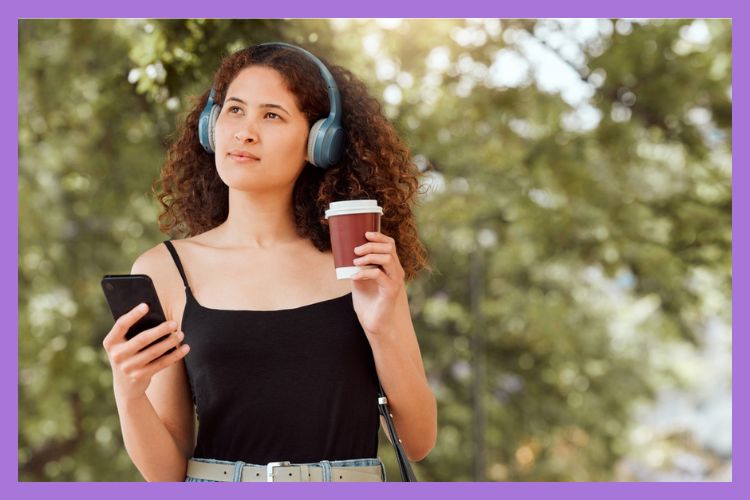
It’s 8am, your AirPods are in, and you’re suddenly auditioning for the role of “main character in a Netflix coming-of-age montage.” You’re not just walking, you’re on a Hot Girl Walk. Somehow, this ordinary act of putting one foot in front of the other got a TikTok-era rebrand so powerful that now it feels like a lifestyle. Walking isn’t just movement; it’s manifestation. The rules (as laid out by Hot Girl Walk creator Mia Lind) are simple: you think about three things - what you’re grateful for, your goals, and how hot you are. That’s it. Free therapy, 10k steps, and a vibe check, all bundled into one aesthetically pleasing strut.
But, aesthetic self-care like the Hot Girl Walk isn’t just about exercise. It’s about optics. It’s about being the kind of person who glides through their neighborhood in matching athleisure, iced coffee in hand, while a Sabrina Carpenter song plays in the background. Like most Gen Z self-care trends, it thrives on the sweet spot between authenticity and performance. You’re taking care of yourself – but also, it just looks really good on camera.
Self-Care, but Make It Aesthetic
Self-care has always had a look. Ancient Romans soaked in marble baths, Victorians swore by tonics with questionable ingredients, and the 2010s gave us hygge candles and “treat yourself” memes. But Gen Z has turned self-care into something more curated, and more visual, than ever. For them, wellness isn’t just about doing the thing; it’s about how the thing looks and feels while you do it, and how it can be shared (or at least share-worthy).
From Sidewalk to Spotlight
Take the Hot Girl Walk, sure - a simple stroll rebranded as a lifestyle upgrade. But alongside it, you’ll find Cozy Cardio sessions done in candlelit bedrooms, Silent Walking challenges that double as digital detoxes, and dopamine dressing, where bright colors become a mental health tool. Even “bed rotting” (lying in bed all day under the guise of recovery) has been turned into an ironic, aestheticized act of wellness. These aren’t just habits; they’re carefully packaged vibes.
Why They Hit Different
Low barrier? Check. No gym membership required, no Lululemon mat, no Peloton subscription. Just good playlists, maybe a few candles or some outdoor space. Compare that to the Millennial self-care lexicon (“wine o’clock,” “treat yourself,” bath bombs, Goop-level aspirational wellness). Gen Z wanted something both more casual and more cinematic. Enter: the Hot Girl Walk.
Not Just for Hot Girls
One of the genius parts of the Hot Girl Walk branding? The name was tongue-in-cheek. It’s not literally just for “hot girls.” It’s for anyone who wants to embody that energy, confidence, self-worth, a little strut in your step. TikTok democratized it: teens, grandmas, guys in hoodies, everyone started filming their own “Hot Girl Walks.” By the time it hit mainstream press, it wasn’t a niche anymore. It was a movement. The mental health angle is also covered. In the midst of lockdown gloom, the girlies were walking straight into good vibes – a walk that doubled as both exercise and emotional reset? Revolutionary.
Gen Z’s self-care isn’t about hiding in solitude. It’s about building micro-cultures around everyday acts of care, giving them an aesthetic shell that makes them recognizable, replicable, and TikTok-ready.
The Rise of the Aesthetic Wellness Scene
Instagram Made Me Do It
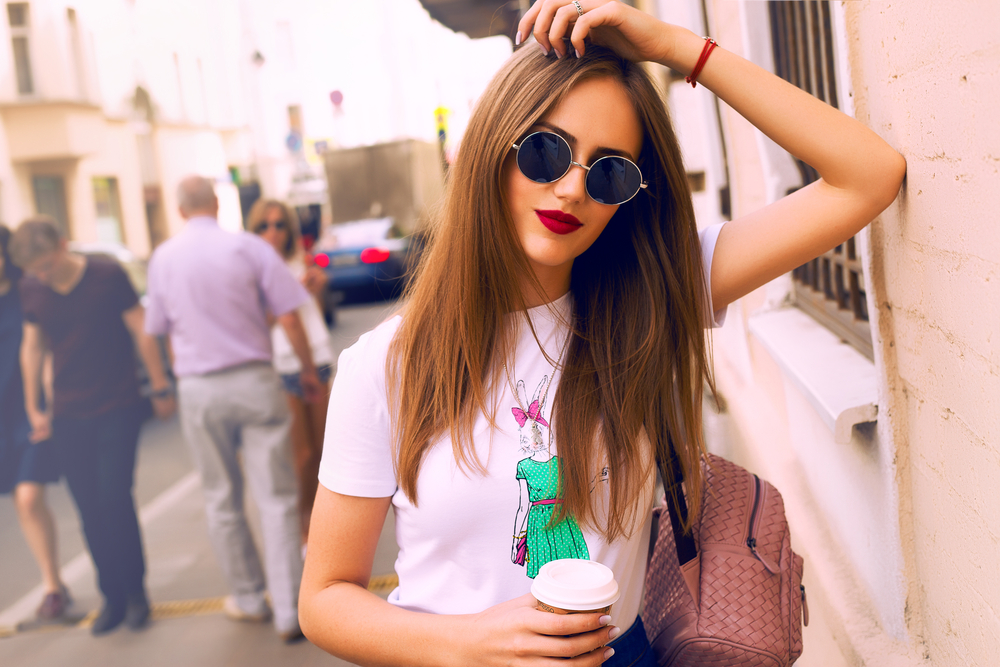
If TikTok gave us the Hot Girl Walk, Instagram gave us the whole aesthetic self-care playbook. Remember the “clean girl” era? White tees, slicked-back hair, dewy skin, iced lattes strategically placed on windowsills? Gen Z inherited that obsession with visuals but added a layer of irony and DIY flair. Self-care isn’t just about feeling better anymore, it’s about looking good doing it.
From co-working brunch shots to curated morning routines, the feed became the blueprint. Aesthetic wellness is performative by design: it thrives when it’s visually pleasing. TikTok just accelerated the process. Suddenly, every step of your mental health journey could double as content - smoothies, candles, walks, journaling, stretches, meditations, outfit changes, all optimized for that golden-hour selfie.
From Treat-Yourself to Glow-Up Yourself
Millennials had “treat yourself.” Gen Z has “glow-up yourself.” The distinction matters. While the former was consumer-heavy (bubble baths, brunch, overpriced candles) Gen Z self-care trends are more about energy, mood, and vibes. It’s not the price tag; it’s the aesthetic payoff.
Take the “That Girl” or “Coquette” aesthetics: wellness as identity, curated to your vibe. It’s less about accumulating products and more about signaling your lifestyle in a way that’s digestible, shareable, and meme-able. A walk isn’t just movement; it’s part of your narrative. Your morning journal isn’t just reflection, it’s content for your story. And yes, your iced coffee absolutely counts as a mood booster.
The Pressure to Perform (But Make It Fun)
The downside? There’s a fine line between authentic self-care and performative optics. The moment a wellness trend becomes shareable, it carries an unspoken pressure: does it look good enough? Are your angles right? Is your playlist aesthetic? Are you documenting it properly for the algorithm?
Yet, somehow, Gen Z embraces the paradox. The meme-literate, self-aware irony lets people lean into performativity without taking themselves too seriously. A Hot Girl Walk, a “cozy cardio” session, or a curated journaling sesh can be both genuinely restorative and socially snackable. It’s the weird sweet spot where mindfulness meets viral potential.
Aesthetic self-care isn’t just a vibe; it’s a cultural statement. It’s about reclaiming wellness for your feed without entirely losing yourself in it. And TikTok, with its 15-second dopamine loops, is the perfect accelerant.
The Algorithm Loves a Walk
TikTok’s Secret Sauce
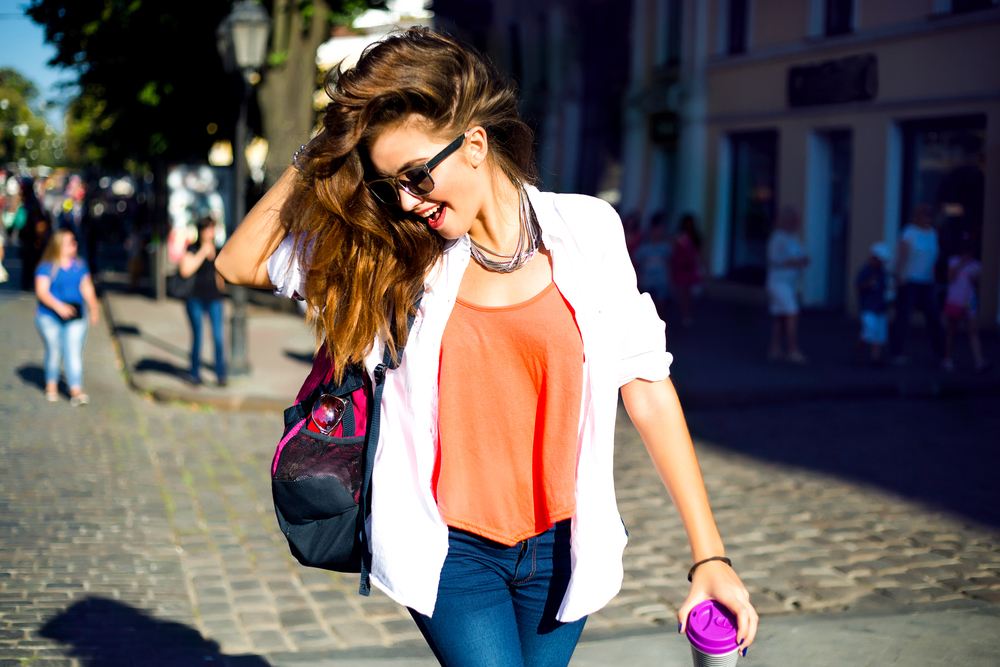
TikTok didn’t invent walking. But it did make it algorithmically irresistible. Short, visually digestible, and easy to replicate, the Hot Girl Walk hits all the sweet spots for virality. The formula is simple: a clear narrative (your walk), a soundtrack (usually something mood-heavy or trending), and an aesthetic filter (golden hour, cute outfit, maybe a latte cameo). That’s all it takes to turn a neighborhood stroll into main character content.
Why Certain Self-Care Practices Thrive
Not all wellness trends get a viral moment. The ones that do share key traits.
- Replicability: Anyone can do it. Sneakers on, headphones in, strut your stuff.
- Relatability: Everyone needs a mental health reset. A walk is universal.
- Visual Appeal: TikTok is a feed-first platform; the content has to look good even in 2 seconds.
Walking ticks all three boxes. No fancy equipment, no strict technique, no intimidation factor. It’s the perfect vehicle for the aesthetics-driven, short-form attention span of Gen Z. Even ironic Hot Girl Walks – people striding out in Crocs or PJs – feed the same algorithmic appetite.
Virality Isn’t About Health – It’s About Shareability
Here’s the subtle twist: the trend isn’t purely wellness. It’s wellness made shareable. The algorithm rewards how content looks, how relatable it feels, and how easily someone can imitate it. So yes, your walk might boost endorphins – but it also boosts your For You Page reach.
This dynamic isn’t unique to walks. Think “cottage-core journaling,” “cozy cardio,” or “soundtrack yoga.” Each practice is digestible, repeatable, and visually optimized for 15-60 seconds of scroll-stopping content. Wellness is now shorthand for mood, aesthetics, and algorithmic currency.
TikTok didn’t just popularize self-care; it reframed it. The question isn’t whether a Hot Girl Walk is good for you, it’s whether it looks good enough to survive the scroll. And in the Gen Z self-care playbook, sometimes those two things are one and the same.
The Aesthetic Economy of Wellness
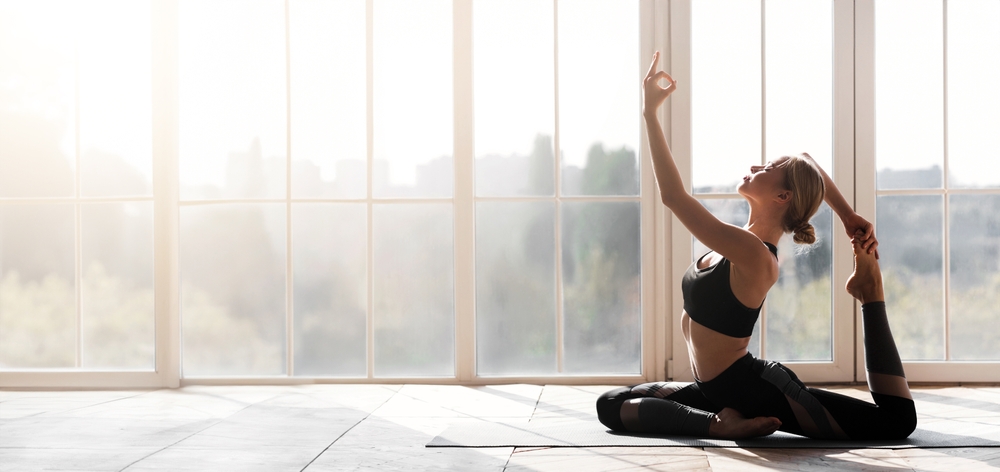
Wellness has become a content genre, and Gen Z are its sharpest producers. TikTok is flooded with morning routines staged like cinematic montages: neatly made beds, green smoothies, Pilates mats rolled out on sun-drenched floors. The “clean girl” or “that girl” aesthetic has made wellness look like minimalism porn, while journaling spreads, skin cycling routines, and sheet-mask nights offer a pastel, Pinterest-board spin on reflection and skincare.
This isn’t new, of course. Millennials had their own wellness consumerism: Goop newsletters, $15 green juices, SoulCycle’s cultish energy. But Gen Z’s version is slicker, faster, and more algorithm-friendly. Instead of buying crystals for “good vibes,” you’re buying matching athleisure and a Stanley cup for that perfect iced coffee shot.
The Beauty of Bed Rot
Even rebellion gets an aesthetic: bed rotting memes frame burnout recovery as cozy sloth chic, while Hot Girl Healing arcs (new haircut, new routine, new identity) turn personal transformation into episodic storytelling. In short, wellness practices that might once have been private or even “boring” are now optimized for platforms. Because self-care that looks good online feels validated offline.
The Wellness Loop (Now with Affiliate Links)
The cycle goes like this: TikTok coins a vibe → creators aestheticize it → brands monetize it → the aesthetic gets fed back into TikTok with affiliate codes and #ad disclaimers. The walk you once did in old sneakers now “needs” Hoka running shoes, AirPods, and a matching pastel set. Wellness, meet capitalism 2.0.
The line between genuine care and subtle consumerism blurs fast. What started as “you don’t need anything but yourself” becomes “you don’t need anything but yourself… and also these leggings, water bottle, and playlist subscription.”
Meme Culture Knows
Here’s the difference, though: Gen Z knows. The irony is built-in. People joke about the “girlboss burnout era” being rebranded with SPF and a Stanley cup. There are memes about “needing” $300 worth of athleisure to walk around the block. The critique comes baked into the content, which makes the commercialization feel less predatory, more parody.
This aesthetic economy turns wellness into something both communal and consumable. By turning everyday care into vibes, Gen Z has made wellness sticky, marketable, and endlessly remixable.
From Practice to Performance
Wellness or Window Dressing?
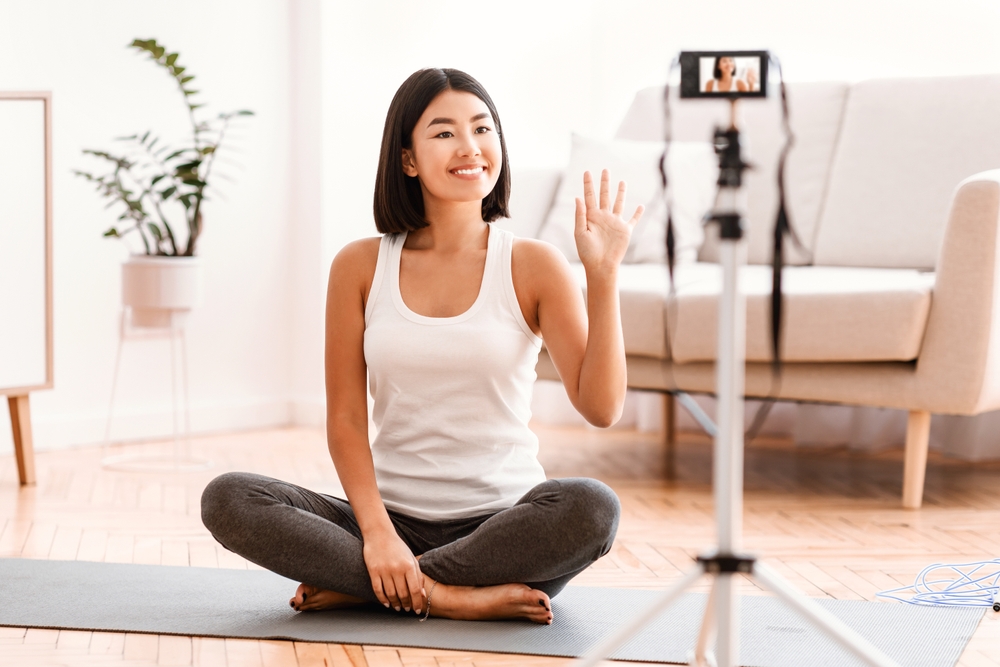
Here’s the twist: when self-care gets aestheticized, it also gets performative. A Silent Walk might start as mindfulness, but the moment you post about it, you’re performing stillness for an audience. Cozy Cardio is as much about the vibe of fairy lights as it is about exercise. Even journaling, once the most private act, is now a spread of carefully chosen fonts, stickers, and mood-boosting layouts broadcast for likes.
But the aesthetic layer complicates things. When your self-care doubles as content, the question becomes: are you doing it for yourself, or for the ‘gram? There’s a subtle pressure to perform your wellness in ways that are visually pleasing and socially legible. Walking isn’t just walking, it’s athleisure sets, curated playlists, “fit check” videos.
The Double-Edged Sword of Visibility
On one hand, visibility has been powerful. Talking openly about mental health used to be stigmatized; now it’s trending audio. Hot Girl Walks made moving your body cool. Bet Rotting normalized boundary setting and taking time out for yourself. They reframed self-care as aspirational rather than indulgent. For someone struggling, seeing a peer post something this relatable can feel encouraging, even doable.
On the other hand, it feeds comparison culture. If your walk doesn’t look as aesthetic, is it still valid? If you don’t journal with a pastel notebook or drink chlorophyll water, are you really “that girl”? Self-care becomes another item on the endless to-do list of personal optimization, which is ironically the opposite of its point.
The Line Between Empowerment & Pressure
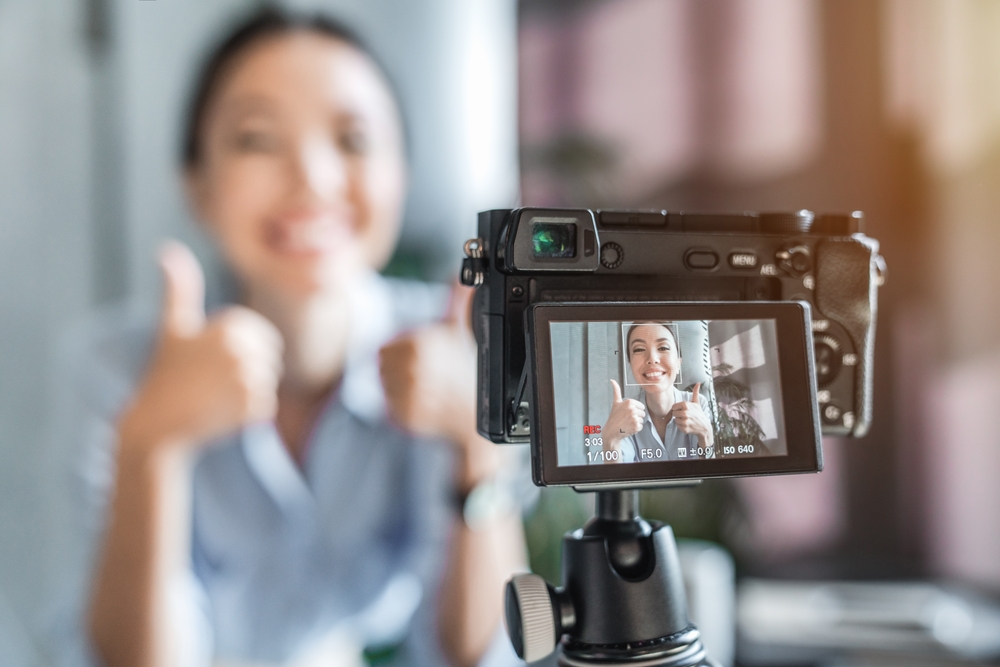
For Gen Z, aesthetic self-care can feel like both freedom and a trap. On one hand, there’s empowerment in taking something mundane and turning it into ritual: lighting candles before moving your body, picking outfits that boost your mood, or framing a healing phase as a story of growth. These practices validate the idea that care doesn’t have to be medicalized or hidden, it can be joyful, stylish, and shareable.
When Wellness Becomes a Performance
Self-care used to mean closing your laptop, taking a nap, maybe journaling in a messy notebook no one would ever see. Now it often comes with ring lights and camera angles. That shift sparks the question: how authentic is wellness when it’s filtered, captioned, and hashtagged?
For Gen Z, authenticity isn’t about being raw and unedited, it’s about being relatable. You can film a polished Hot Girl Walk montage and still be “real” if you caption it with a self-deprecating joke about nearly tripping over the curb. But there’s a difference between sharing your reality and curating it for consumption. And in the scroll economy, those lines blur fast.
The Pressure of the Perfect Reset
The rise of aesthetic self-care introduces a new pressure: not just to care for yourself, but to care in a way that looks good online. That’s where authenticity gets tricky. If your Hot Girl Walk is done in sweatpants with no AirPods, does it still “count”? If you skip documenting it, did it even happen? The paradox is real: the pursuit of authenticity is undermined the second it becomes performative.
Health Beyond the Highlight Reel
The deeper issue is that health isn’t always aesthetic. Therapy sessions don’t fit in a Reel. Bad mental health days aren’t trending audio. Aestheticized wellness risks flattening the complexity of care into something glossy, light, and endlessly consumable. Which is fine, until people start comparing their behind-the-scenes struggles to someone else’s edited self-care highlight reel.
Gen Z is hyper-aware of this tension, and the best creators name it outright. They’ll post the cute montage and then admit, in text overlay, “btw I cried before this walk.” That’s authenticity in 2025: not just looking real, but actively breaking the fourth wall to prove you’re more than the aesthetic filter.
What This Says About Health (& Where We Go From Here)
Health-Culture
At its core, the rise of aesthetic self-care reveals something Gen Z understands instinctively: health isn’t just physical, it’s cultural. A Silent Walk, a Cozy Cardio session, even the meme-ification of bed rotting, these aren’t random quirks, they’re language. They’re ways of signaling what you value, how you cope, and where you belong.
This isn’t to say the vibes outweigh the benefits. Walking is still walking; journaling still calms the nervous system. But the aesthetic wrapper changes the meaning. A skincare routine is no longer just dermatology, it’s identity, routine, narrative. Wellness has become a way to communicate authenticity, even if that authenticity is staged through a ring light.
A New Perspective
The bigger takeaway? Gen Z isn’t trivializing health by turning it into an aesthetic. They’re reframing it as something social, creative, and emotionally resonant. They’re saying wellness doesn’t have to look like lab results or spinach smoothies, it can look like a playlist, a color palette, or a TikTok trend.
Whether that’s liberation or another pressure point depends on how you use it. But one thing’s clear: self-care, for this generation, isn’t just a private ritual. It’s a shared performance, a cultural mood board, and maybe the future of how we define “healthy.”
When Self-Care Becomes a Lifestyle Statement
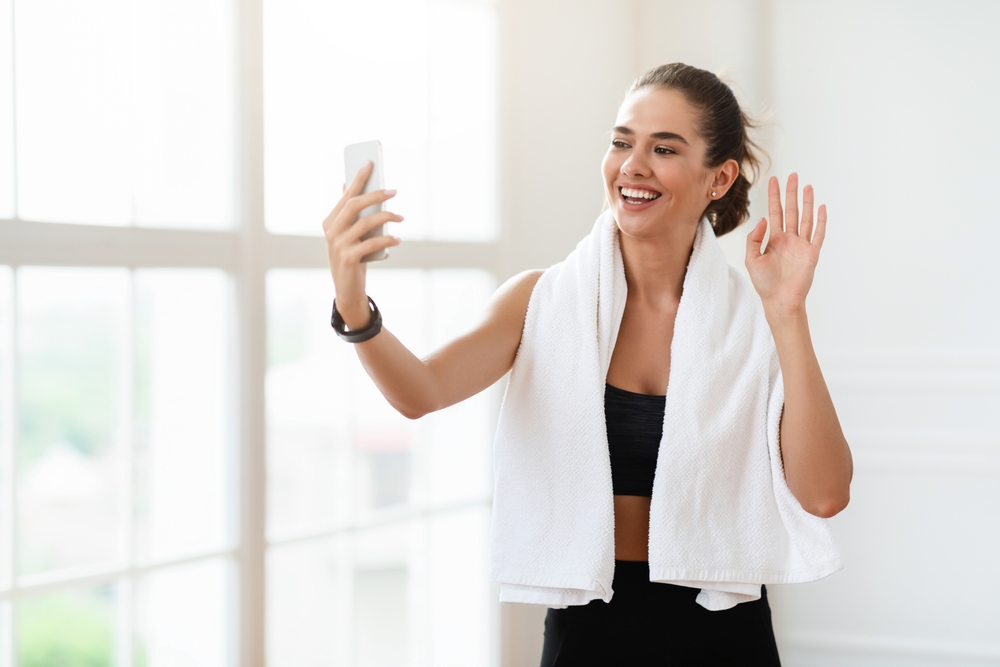
Gen Z didn’t invent self-care, but they’ve undeniably rebranded it. What used to be bubble baths and private journaling has been flipped into Hot Girl Walks, Cozy Cardio, dopamine dressing, and even aestheticized rest. These practices blur the line between habit and hashtag, turning wellness into something as much about belonging as it is about health.
And maybe that’s the point. In a world where stress is constant, attention spans are short, and community is often digital, self-care that feels shareable is self-care that sticks. If it takes fairy lights, matching sets, or a TikTok challenge to make people rest, move, or reflect, so be it.
The future of wellness might not look like a doctor’s office. It might look like your For You Page. And honestly? That might not be such a bad thing.