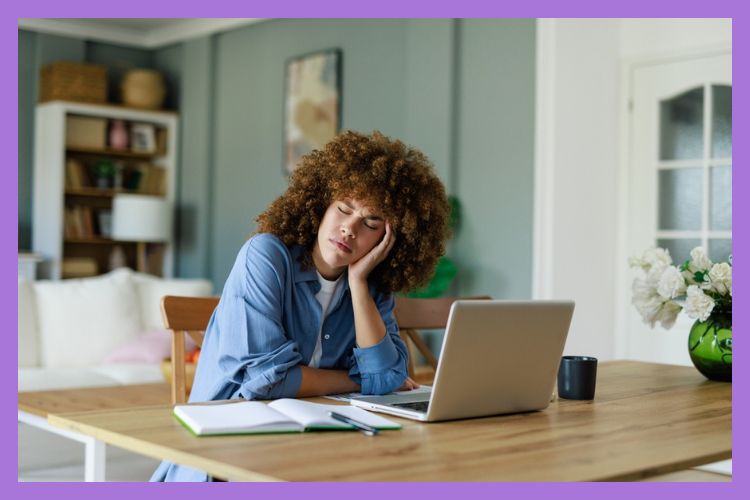
A lack of sleep used to be a source of pride for workaholic start up bros, college students and those grinding hard. If you were not exhausted, could you even be considered to be hustling? Remember when Elon Musk bragged about only sleeping four hours per night or the memes that glorified all-night working. The subtext was that sleep was equated with weakness and only true winners can power through it.
Things have changed. Sleep is now the fresh new flex and people post their Oura Ring scores and WHOOP data. It’s now cool to get your full 8 hours and TikTok is replete with bedtime routine content. People are sharing their favorite silk eye masks, sound baths, white noise generators, magnesium mocktails and other sleep aids. Gen Z craves optimized rest and they are happy to tell you all about it. The name for this phenomena is sleep hacking, it goes beyond sleep as a basic biological function and considers it to be the ultimate wellness frontier.
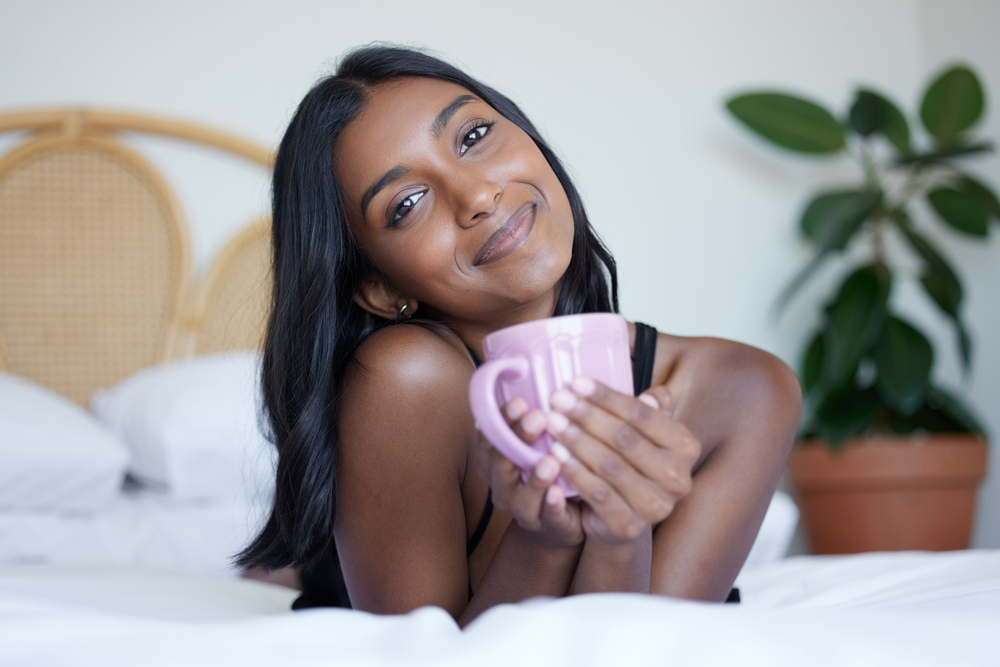
The Cultural Plot Twist: From “Sleep When You’re Dead” to “Sleep Is Life”
This sleep rebrand did not occur overnights. For decades, sleep was marketed as an optional extra and thought leaders would boast about 4am starts. The college students would take pride in their exhaustion and sacrificing sleep demonstrated a commitment to ambition. Burnout culture hit its peak in the 2010s, but bragging about insufficient sleep is dangerous. We began to see TED Talks on REM cycles, the book “Why We Sleep” by Matthew Walker was a bestseller and public figures spoke out. There was the infamous collapse of Arianna Huffington in 2007 from exhaustion which she transformed into a rest focus wellness empire.
Prominent athletes like Serena Williams and LeBron James began to credit their performances to the quantity and quality of their sleep. This reframed sleep as a secret path to productivity and recovery. Sleep became an aspiration and getting 8 hours solid sleep was not “laziness”. Getting regular sleep proved that you had time to spend on self-care and the discipline to master your work-life balance.
Enter Sleep Tech: When Your Dreams Get Tracked
If you’re in your mid 20s, it’s likely that you’ve considered sleep tracking which is a relatively new concept for older generations. But, the sleep-tech ecosystem is huge, it’s growing quickly and it’s facilitated by new technology. Devices like the WHOOP band performance optimizer and the Oura Ring that turn sleep into a useful data set. These supplement mainstream tools such as Fitbit and the Apple Watch that can gamify sleep with nudges, colorful graphs and more. There are useful apps like Calm and Sleep Calm which transform bedtime into guided meditations, AI-generated stories, soothing sounds and more. These tools provide content to help you sleep better and posting a “Readiness Score” shows how well you slept and that you prioritize rest.
Now, sleep is a social currency that drives a great deal of wellness content produced by influencers. But, there is a plot twist, tracking and optimizing rest can make the sleep less restful. There is a risk that strategizing REM cycles, worrying about deep sleep percentages and checking your heart rate variability may be a distraction.
If sleep becomes a competitive metric against friends, family and yourself it can devolve into a contradiction. It is possible to try too hard to relax and cause yourself to feel stressed.
The Sleep Aesthetic: Cozy as a Lifestyle
If we go beyond the science, it’s easy to see that sleep has become an aesthetic desire. On Tiktok, Instagram and Pinterest, there are curated bedroom tours, weighted blankets, soft ambient lighting choices, neutral-tone bedding selections and cozy sleepwear. Being cozy is now a solid lifestyle choice with significant parts of the internet devoted to having the coziest night possible.
Sleep is now performative, the bedroom is a staged set and the optimal bedtime routine is a cinematic production. Some of the nighttime ritual breakdowns are extremely detailed, such as: 10-step nighttime skincare regimen, how to use a lavender diffuser, how to make the best magnesium mocktail and more. Getting sleep is not the sole goal, it’s the process of falling asleep that forms the vibe.
There is a clear gender distinction, the feminine variant, includes: silk pillowcases, pastel diffusers and self-care checklists. The masculine biohacker route may include: supplements, cold plunges, blackout curtains and more. Despite these differing approaches, both camps are turning sleep into a cultural expression. Rest is now a lifestyle, identity marker and a brand in itself.
Memes Don’t Sleep: Bed Rotting, Revenge Procrastination, and Sleepy Mocktails
As a Gen Z-driven phenomenon the direction of sleep as an aesthetic and optimized experience has been extensively memefied. Certain popular sleep-related trends capture the tension between needing and resisting rest. A good example is: Revenge Bedtime Procrastination which communicates the relatable phenomenon of staying up too late to doomscroll under the covers with snacks. Another good one is: Sleep Girl Mocktail with a secret magnesium drink recipe that’s purported to deliver an instant knock out for faster sleep. There are viral terms, such as: Bed Rotting where snacks and Netflix becomes an art form and people joke about being “Couch Goblins” and “Nap Queens”. There’s even merch that signals that the wearer loves sleeps and memes about pulling all-nighters to sleep go viral. The duality is striking, there’s a collective push to get 8 hours, build routines and track cycles. But, the contradiction is self-deprecating jokes about bedtime procrastination, feeling perpetually tired and spending all day in bed “rotting”. This is the pursuit of self-improvement and laughing at your own failures to achieve it as a form of self-depricating humor.
The Science: Why Sleep Is Actually Important
The aesthetic appeal and entertaining memes are fun, but behind them is a more serious topic, the science of sleep. The performance and irony surrounding deep rest hides a truth that sleep is essential and it may be the most important wellness practice. During sleep the brain processes emotions, clears out toxins and consolidates memories. This is a key factor in how hormones are regulated, the strength of the immune system and how the body repairs tissue.
Research has revealed that chronic sleep deprivation may increase the risk of anxiety, obesity, diabetes and even Alzheimer's disease. A lack of sleep can lower reaction times, impair judgement and make a person more prone to accidental injuries. When we skip sleep, our minds and bodies tend to malfunction in profound and subtle ways.
In recent years, athletes have become powerful advocates for regular sleep and Tom Brady has turned this into a key part of his personal brand. LeBron James has revealed that he sleeps up to 12 hours per night to stay at the top of his game. These athletes understand that sleep is not only downtime, it’s a key part of their training regimen. This principle is applicable to the rest of us, sleep is the foundation for our lives and it can affect every aspect of our day.
Rest as Luxury: Who Gets to Sleep?
The sad fact is that sleep is not equally accessible to everyone. Many people flex that they’ve enjoyed their perfect 8 hours of sleep, but the reality is that others don’t have that luxury, including: college students, single parents, shift workers and others. Some people struggle with health issues or they have unstable housing situations that inhibit their ability to get deep consistent sleep.
An influencer may show off their $2,000 smart mattress or sleep scores but this highlights the disparities in this emergent sleep economy. Getting optimized rest can be an expensive proposition, there are money, time and stability requirements to be met. In the wellness industry, sleep may be framed as a choice, after all, anyone can purchase blackout curtains, supplements and other sleep tech. But, inadequate healthcare, long working hours and economic inequality can present significant challenges to restful sleep.
This shouldn’t deviate from an aspiration sleep flex, but it can be alienating at the same time. Sleep is something that every human being needs, it should be universal and yet it may be a marker of inequality. In a sense, an obsession with sleep is not just a healthy cultural shift and it does highlight social issues that are baked into our modern lives.
The Commodification of Sleep: Capitalism Never Sleeps
Every wellness trend becomes monetized at some point and the new pivot towards a celebration of regular sleeping is no exception. This has been dubbed as the sleep economy and what should be free tends to come with a hefty price tag. There’s an entire line of influencers, products and affiliates lined up to meet the demand. Some of the popular products are: magnesium powders, sleep trackers, melatonin gummies, adaptogenic herbal supplements, white noise machines, smart mattresses and more. There are apps with subscription fees, such as: Headspace and Calm that can teach the user how to relax and get better quality sleep. Going beyond products, there’s plenty of content to explore, including: Youtube ASMR channels, full podcasts, bedtime stories narrated by celebrities, audio books and more.
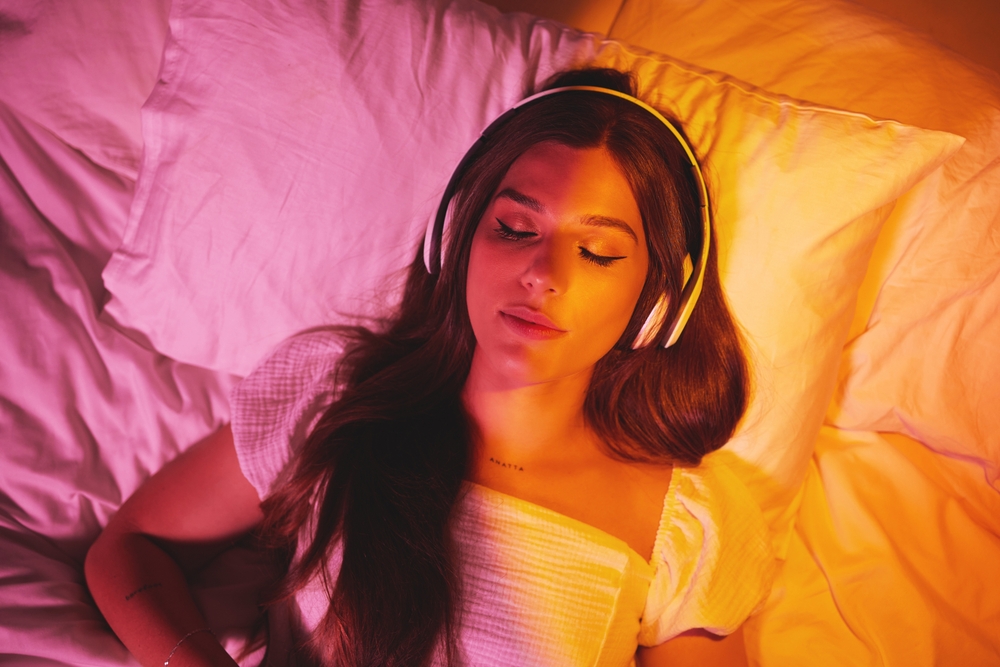
There’s a push for design improvements in the industry, with ergonomic pillows, blackout curtains, luxury bedding, curated nightstands and more. These high-end products can turn simple sleep into a unique consumer category to drive sales. Self-care is now marketed as empowerment and it’s pushed as the key to be the best version of yourself. This is deeply ironic, sleep may be free, but to optimize your sleep you need to spend a lot of money like the influencers and celebrities. There are endless new products to try and buy and reclaiming rest from the hustle culture has turned sleep into the next hustle!
So Why Is Sleep Status Now?
So, how did sleep become the latest cultural status symbol? There are three overlapping causes that seem to have driven this shift.
Burnout Backlash
After decades of the hustle culture people have become tired of maxing out their creativity and health to earn a paycheck with a vague promise of more to come. In this culture, the prioritization of sleep became a rebellious act, it’s a counterculture of rest and self-care over the demands of the system.
The Self-Optimization Era
We now live in a time when optimization seems to be the driving ethos for everything. It’s normal to analyze, track and improve upon diet, fitness and sleep. This becomes a performative act, people now compete to show that they are getting the best sleep which would have been a ludicrous concept up until very recently.
The Content Economy
The content economy will reward the aesthetics of sleep, such as: nighttime rituals, bedroom decor, sleep routines and more. This can be compelling content and in a world that feels chaotic, how we sleep can be one of the few aspects of our lives that we can control.
These three factors have combined to transform the simple act of necessary sleep into a cultural obsession. This is not just a requirement to stay healthy, it’s a signal that you’ve got things figured out, your life has balance and you have the ultimate life hack.
The Paradox: Rest as Work
The ultimate irony may be that the more we promote sleep, the more it starts to feel like a side hustle. We are not just lying down and closing our eyes for 8 hours anymore. It’s now a ritual, every cycle is tracked, the results are posted and a lot of products are consumed to get optimized sleep. So, sleep, which is a universal and natural human function, is rebranded into a project and the sleep routine is curated for consumption. The process begins when the phone is turned off an hour before bedtime, the salt lamp is dimmed, the magnesium mocktail is sipped, the Calm app is started, the silk eye mask is slipped on and finally you get to fall asleep. At the end of this process, it’s easy to feel like you're clocking in for a work shift rather than getting some meaningful rest.
The same logic that turned regular eating into the “clean eating” fad and exercising into “gym culture” has now been applied to sleep. The point of this is not to simply do something, it’s to do it well, make it productive and then optimize it. So, the bedroom is now an office/studio where a deliverable tracks rising REM scores on the sleep tracker. Of course, this is performative, if it didn’t happen in private it’s now worth doing. Our world is directed by content generation and now sleep is no exception. It’s easy to find Oura data screenshots circulating on X with captions like “solid 94 tonight” and “Sunday reset” TikTok videos. This content often ends with the poster drifting into their perfectly staged bed to sleep. The act of resting has become part of a personal brand package to prove that the creator is self-aware, balanced and disciplined. It’s not enough to sleep, it’s essential to sleep well.
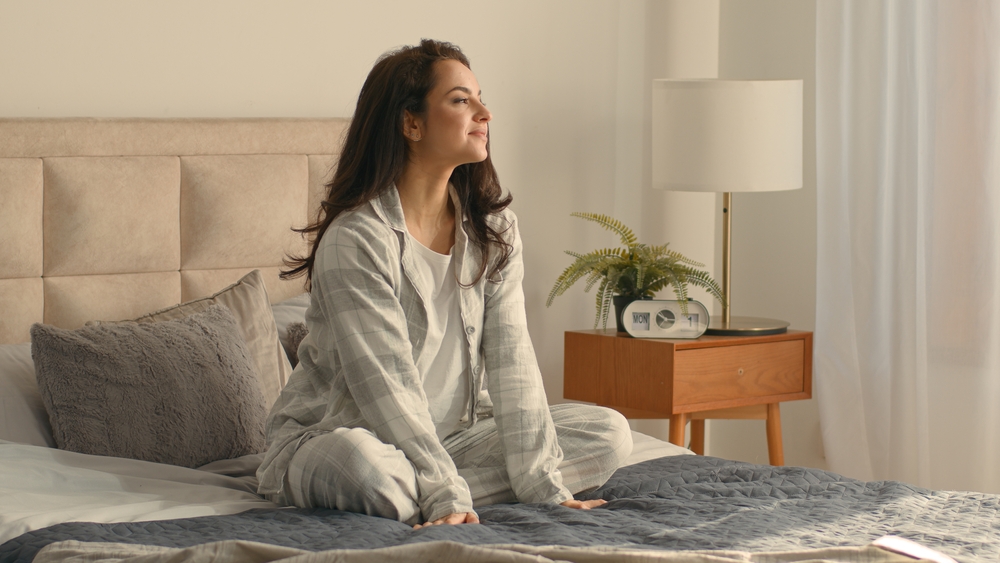
The central paradox is that obsessions tend to speed up over time and the pressure to optimize aspects of our lives may add anxiety. Perhaps you wake up in a haze, you’re not too tired, but the sleep could have been better, did you fail? Is your sleep score too low? What did you do wrong? These and other questions can turn an off night of sleep into a real feeling that you’re falling behind in some kind of competition. Becoming stressed about not getting good quality sleep will only make a person feel less rested. Imagine checking your pulse every few minutes to check that you are relaxed!
This is the colonization of downtime, in the past one of the few things that existed outside the boundaries of work was the too brief period of rest to sleep. At least a worker could escape into their dreams and there they were free from monetization of their time. But, now with sleep trackers, luxury bedding, supplements and content generation people are voluntarily turning sleep into a side hustle. The sleep economy exists to convince us that sleep which is free is something that should take time and money to master. Rest is transformed into labor, “winning” at sleep is necessary and in that way we’re risking losing the sleep we need to restore our health.
Sleep Like Nobody’s Watching
What is the takeaway? Sleep may be the hot new flex, it’s aesthetically-driven, science-backed and entangled with gaining clout and earning money. For Gen Z, this is a “natural” progression due to growing up online and being immersed in performance, optimization and comparison culture. Sleep is a basic human need, turning unconsciousness into content is a poor fit for most people. The real hack is not tracking or optimizing sleep, it’s about the reclamation of sleep as an offline, private and messy part of life. Sleep that is not content, is not a flex, it provides no data, it just is. When you are truly asleep, you don’t care about hustle, sleep stats and meme culture.