Have you ever caught yourself staring at your reflection and wishing it looked more like your filtered selfies? For a lot of people, that’s not just a passing thought—it’s become a full-blown cultural phenomenon. Social media filters have reprogrammed the way we see ourselves, turning airbrushed skin, contoured cheekbones, and doe-eyed perfection into a baseline expectation. And this obsession isn’t just digital—it’s spilling over into real-life cosmetic choices.
When Selfies Start Setting Standards
Snapchat dysmorphia isn’t just a catchy term—it’s a legit psychological ripple effect caused by filters. Instead of comparing themselves to celebrities or magazine covers, people now compare themselves to their own filtered faces. That warped comparison has been fueling requests at med spas and dermatology clinics: “I want to look like my selfie.”
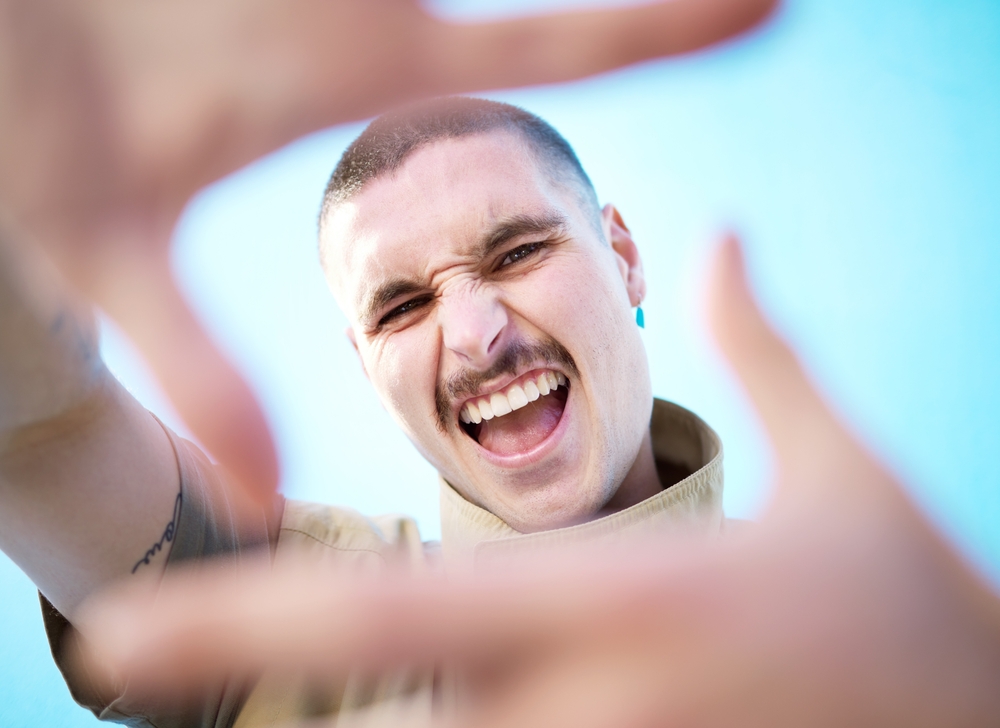
Filters blur pores, reshape noses, and slim jawlines in seconds. But IRL, the demand to replicate those tweaks has translated into Botox, fillers, and “tweakments” designed to smooth, plump, and perfect. The app that once existed to share goofy rainbow-puke faces is now pushing an entire generation toward injectables.
Botox as a First Stop, Not a Last Resort
Botox used to be associated with midlife tune-ups, but that timeline has been completely disrupted. People in their 20s are walking into clinics asking for injections before a wrinkle has even set up shop. Preventative Botox is marketed as an early defense against fine lines, but the subtext is clear: why wait for the crease when you can erase the possibility altogether?
What are the key factors pushing this?
- Accessibility: Med spas are everywhere, often marketed like coffee shops.
- Normalization: TikTok and Instagram are flooded with “get ready with me” videos featuring Botox appointments.
- Peer pressure: Friends share their experiences like they’d share a Sephora haul.
What used to feel like a hush-hush decision is now a casual lifestyle upgrade.
The Meme-ification of Cosmetic Procedures
Part of what makes this moment so unique is how injectables have been folded into meme culture. Tweets about “Botox girls” co-exist with TikToks joking about frown lines disappearing faster than a paycheck. Cosmetic tweaks aren’t just normalized—they’re content.
Instead of shame, there’s humor. Instead of secrecy, there’s transparency. The whole vibe has gone from “plastic and fake” to “funny and relatable.” That shift in cultural framing has given Botox a glow-up as less of a medical procedure and more of a trending accessory.
The Bigger Conversation About Beauty
Still, the Botox boom raises questions that can’t be brushed off with memes. Filters and cosmetic procedures create a moving target for beauty standards—one that’s increasingly impossible to hit without digital or medical help.
- Constant exposure to filtered images rewires what feels “normal.”
- Cosmetic procedures risk feeding perfectionism rather than confidence.
- The cultural obsession with “tweakments” could make natural features feel obsolete.
It’s a loop: filters create demand for Botox, Botox results get posted on social media, those posts inspire more filtered selfies, and the cycle continues.
Is This Empowerment or Just New Pressure?
Some see Botox as self-expression, a tool to match their IRL face with their online persona. Others argue it’s just a new form of beauty pressure disguised as empowerment. The lines are blurry—literally and metaphorically.
For many, getting Botox feels like taking control, reclaiming confidence, or simply enjoying the vibe of a smoother forehead. For others, the same action feels like surrendering to a cultural script that’s hard to escape.
What Comes Next
If filters helped normalize Botox, AI-driven editing might push things even further. The beauty baseline will keep shifting, and cosmetic procedures will likely evolve right alongside it. What’s trending today—subtle lip flips, “baby Botox,” and sculpted jawlines—could be tomorrow’s nostalgia.
The bigger question is how long we’ll chase filtered versions of ourselves before redefining beauty on our own terms. Until then, the mirror may always feel like it’s playing catch-up with the front-facing camera.
Rewriting the Face of Tomorrow
Snapchat dysmorphia and the Botox boom aren’t just about vanity—they’re about culture, tech, and identity colliding in real time. The line between digital enhancement and physical reality is thinner than ever, and for many, the choice to blur it feels inevitable. Whether that’s liberation or just the next iteration of beauty pressure is still up for debate, but one thing is clear: filters aren’t just changing pictures, they’re changing people.