
It always seems to start the same way, you have time on your hands, the screen is a couple of inches from your face and one quick scroll through your feed won’t hurt. You swipe and see breaking weather news, then a funny cat video, a celebrity breakup and then an infographic showing that the world economy is in bad shape. Before you know it a few hours have passed and you’re pumped up with adrenaline, dead tired and detached. Of course you want to stop, you even tell yourself that, but you continue to swipe and it’s easy to feel that you’re not in control.
Welcome to the doomscroll. This typically occurs at bedtime, the content is often negative and although it feels like you’re being informed, in reality it’s self-sabotage. In a very real sense, you are not consuming news, you’re being consumed by it and it’s consuming you. This phenomenon is not just bad vibes and poor habits, it’s a mix of ancient brain wiring, irony culture and hyper-optimized algorithms.
Doomscrolling 101 (aka “Why Am I Like This?”)
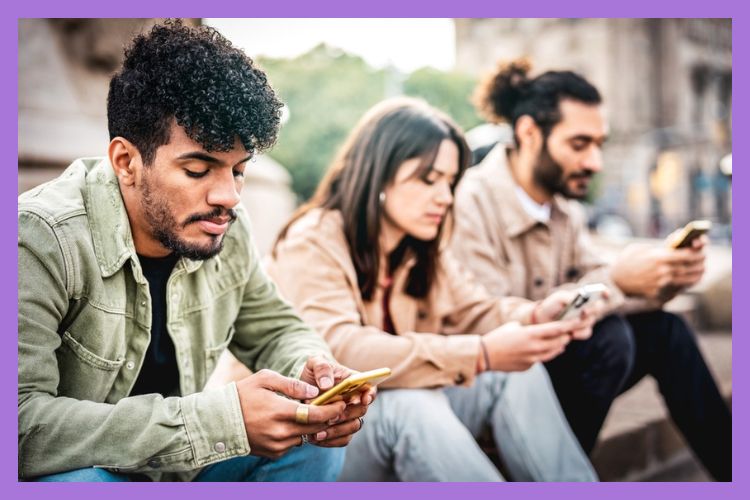

The earliest uses of the term “Doomscrolling” appeared in the late 2010s, but it exploded in popularity during 2020. Everyone was trapped at home, they had time on their hands and a long running jump scare news cycle. The behavior predates this hashtag, people have always been drawn to catastrophes.
In the past, peasants probably gossiped about plagues or eagerly watched executions and public trials. The arrival of the internet simply gave these impulses a 24/7 platform with push notifications and infinite archives. Doomscrolling is not neutral curiosity, it’s a search for updates, explanations and worst-case scenarios that offer no resolution or satisfaction.
As we scroll, we hope the next post can give us reassurance or some closure. But, it only sharpens our fears and yet we are hungry for even more. This is the key difference between reading a news story and doomscrolling. The former is seeking information and the latter is a compulsion. In a very real sense our brains and the apps we use are conspiring against us.
The Brain Science
There are four key factors that form how we approach doomscrolling and continue to do it.
Negativity Bias: The Doom Filter
This is the favorite bad habit for our brains. We have a built-in doom filter which is referred to as negativity bias. This is hardwired into us as humans, it’s evolutionary and it gives us the capability to pay greater attention to potential threats. In the past a prehistoric human that ignored rustling in the bushes could be eaten by a predator. Those that overreacted may have felt a little silly, but they did live to tell the tale. Now, these bushes are X threads about wars, crime and geopolitical meltdowns.
Although the survival stakes are not as immediate they are still there and your brain doesn’t know the difference. This is why we categorize a catastrophic event as an urgent threat even if it’s happening on the other side of the world!
Dopamine Hits: Doomscroll Juice
Let’s consider how dopamine fits into the mix, this is regarded as the naturally occurring “pleasure chemical”, but this is incorrect. A better description is that dopamine is an anticipation chemical that spikes due to uncertainty. When we don’t know what’s coming next, it’s exciting and this is why rollercoasters and slot machines are addictive.
Our feeds are designed with the infinite scroll in mind and the refresh button is like a tiny casino in your pocket. This is how the doomscroll works: anxiety induces a desire for information, the swipe delivers a “maybe” dopamine hit, then negativity bias directs us to the scariest content and even if we’re exhausted this loop continues.
Anxiety Feedback Loops
There’s a dichotomy, when we doomscroll, we are actually trying to calm anxiety and feel better. Because we feel uneasy, we search for the information we require to feel in control again. But, the scrolling is overwhelming, the anxiety is heightened and we don’t experience a resolution. A good analogy is scratching a mosquito bite until it starts to bleed, sure the itch is being addressed, but the wound is worsened and it will take longer to heal.
Sleep Deprivation
Doomscrolling tends to occur late at night when the brain is at a point when it’s less equipped to handle the input. The blue screen light delays the production of melatonin and this makes it harder to fall asleep. Add to this the consumption of stressful content that elevates the cortisol levels and it’s much harder to fall asleep.
Some people report weird dreams, restless sleep and they may feel like a zombie during the following day. Our brains are trying to protect us, they are vigilant, but they are sabotaging our focus, mood and health. Survival instincts are important, but they don’t always mesh well with the digital age.
The Hidden Puppet Masters: The Algorithms
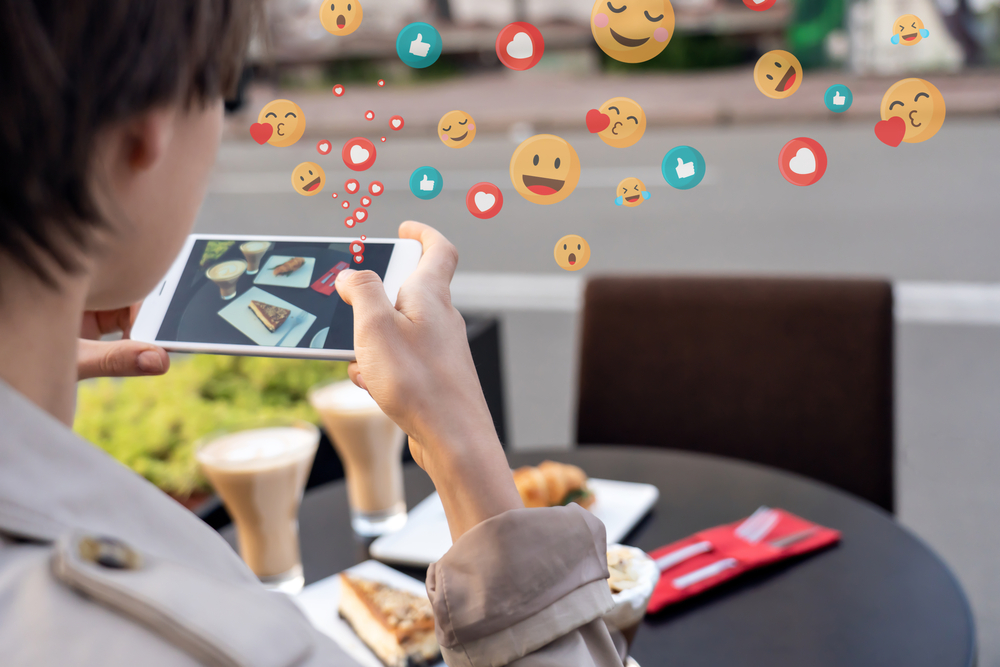
As you can see, we are naturally wired for doom, but platforms have some responsibility when it comes to doomscrolling. In fact, our natural instincts have been targeted by the social media companies to keep us connected 24/7. The algorithms are not designed purely to keep us informed, they require engagement to earn ad revenue. It’s a sad fact that fear, outrage and despair spread much faster online than joy and calm. This has been confirmed in multiple studies of TikTok, Facebook, X and other platforms. These companies fully understand this and their systems are designed to amplify these feelings to increase engagement.
Let’s say that you pause for a couple of seconds because there’s a clip of a hurricane. After this, you can expect your feed to be flooded with natural disaster content. Maybe you’re angry about a political post? Then you will be inundated with rage bait about things that you didn’t even know or care about a few minutes ago. The algorithms are designed with preference and engagement as a priority. This even occurs if a pause is a brief anxious stare before you try to move on.
Then there is the case of the infinite scroll, the traditional media formats had natural limits. If you read a newspaper it had an end point where there was nothing left to read unless you started at the front page again. When a TV show or movie finishes, there’s the credits and that’s it, you’re done. When you’re online there is no end to reach, it’s a bottomless pit of content, it’s always on and this is the business model. Doomscrolling is not just a waste of time, it’s how your perception of reality is shaped. If you’re in a negative headspace and you doomscroll you can begin to believe that the world is about to collapse. This may not be reflected in your day-to-day life which may be stable, but the platforms have skewed your worldview because scared people drive revenue.
The Cultural Habit of Doomscrolling

Beyond the algorithms and our brains there is a cultural component to doomscrolling. This is how collectives process and experience real world crises in the digital age. To be “in the know” is not optional when you’re online, missing a breaking story or trend is how you get left out of memes, conversations and group chats.
Doomscrolling is FOMO insurance, endlessly consuming news is a signal that you're plugged into the collective discourse. Memes are a huge factor, each disaster is reinterpreted with humor to process what’s happening. Dread may be paired with absurd noises, an economic collapse is a Wojak meme and the “this is fine” meme is perfect for disasters. This won’t erase fear, but it does make it shareable and bearable. Doomscrolling is communal, even if it’s 3am and you’re alone in bed, there is a mass ritual of spiraling occurring. People doomscroll out loud, they post, remix, react and experience it together.
Why is it Hard to Stop Doomscrolling?
It’s difficult to stop doomscrolling once you start because there are three forces in play at the same time. They are: biological, cultural and technological.
- Biological: The human brain is hardwired for vigilance and hooked on the anticipation of the dopamine loops.
- Cultural: When we are plugged in we feel relevant, the doom memes are a social outlet and they give dread a purpose.
- Technological: The algorithms are designed to serve you more of what’s keeping you scrolling and this erases the natural stopping cues.
These three forces make doomscrolling the default digital life setting and this takes away our choices.
How Can I Cope Without Going Cold Turkey?

This is not an option, the internet is not a hobby, it’s the main stage where news, memes, work, activism, entertainment and more collide. Sure, you can unplug for a few days or a week, but nobody is going to log off forever. In theory it is possible, but it would require a drastic life change that may be beyond most of us.
The best way to approach this problem is to rethink your relationship with scrolling. Remember that doomscrolling is reliant on mindfulness, you need to move your thumb faster than your awareness. Breaking that automatic action, placing speed bumps in-place and reshaping your feed are solid solutions. Let’s take a look at seven strategies that go beyond the unrealistic and kneejerk “delete Instagram” approach.
Joyscrolling
This is the antithesis of doomscrolling, when a person is joyscrolling, they deliberately seek out content that makes them feel inspired, laugh and relax. The goal is not to avoid reality, it’s to balance the inputs to ensure that your feed is not 90% horror and 10% memes about it. To hack the algorithm, favor and follow animal accounts, niche hobby corners, positive communities and satisfying content like ASMR, soap-cutting, baking and more. If the system feeds you joy, it will give you more of it, this is not a foolproof solution, but it will dilute most of the chaos out of your feed.
Setting Boundaries
One of the more challenging aspects of doomscrolling is that it erases boundaries. The infinite scrolls and push notifications blur the line between lost hours and a “quick check” of your feed. Establishing solid boundaries, can place a fend around the spiral to minimize the effects.
The easiest way to get started is an app time like Android’s Digital Wellbeing and iOS Screen Time that cap daily usage. At bedtime plug the phone in on the other side of the room or use an app that grays out the screen after midnight. If you need content to sleep, choose an audiobook, ASMR, ambient sounds or read a physical book. Stick with the one-screen rule, avoid scrolling with the phone and watching the TV or other screen at the same time. Using multiple screens can intensify the doomscrolling spiral.
Curate the Doom Diet
If we consume too much junk, we feel emotionally tired and mentally spent. So, liberally muting an outrage brand and carefully picking sources makes good sense. Don’t choose updates from random accounts, go with 2-3 reliable outlets. Read their newsletters if they have one, this will be a better option than refreshing X constantly at 3am. Timebox the news, decide when and for how long you will check updates. A good rule of thumb is ten minutes in the morning and ten minutes at night. This is information hygiene, targeted details on what matters over a never ending stream of panic.
Social Doomscrolling
You can doomscroll with group chats, strangers, mutuals and others that want to spiral publicly. Why would you want to do this? Well this introduces some intentionality into the social layer and community can soften the blow.
If the spirals get out of control, make a pact with friends to get together. Avoid live-texit chaos, talk about it, then you can condense the spiral into a digest that’s easier to manage. Always share good things you find to balance the despair memes with wholesome content. A fun way to do this is to send friends funny cat videos as breaking news stories!
Reclaim Attention
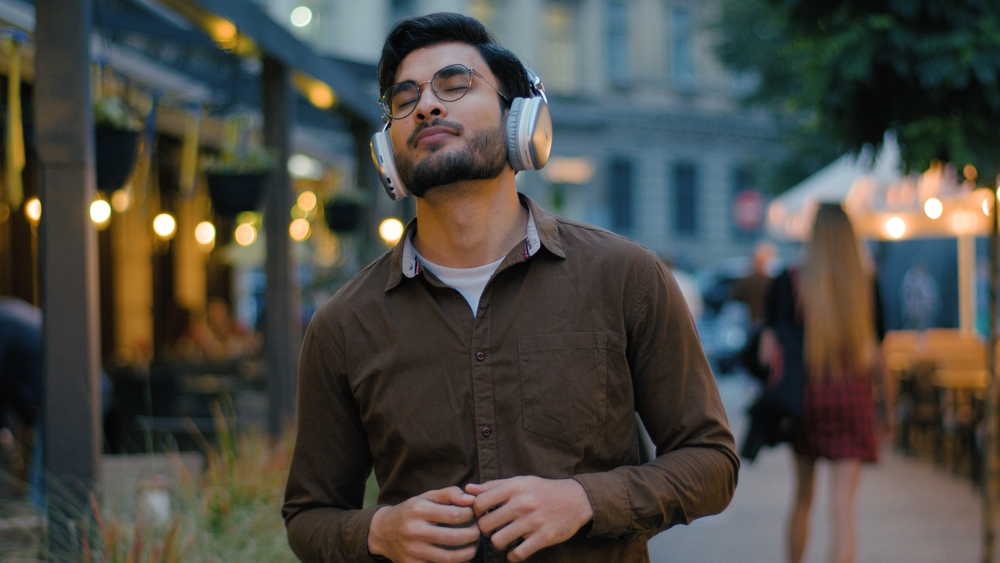
To break the doom cycle, there’s no need to disappear into the wilderness for weeks. Even the occasional micro-moment offline can be enough to reset your brain into healthier patterns. The classic example of this would be the “touch grass” moment, it’s often mocked, but it’s highly effective. Simply go outside and take a short walk to reset your brain and nervous system. Take up journaling, a simple bullet journal can transform your life, you can dump your thoughts on a page and problems look different when they are out in the physical world. Take up an analogy hobby like sketching, baking, puzzles, learning a musical instrument and more. Things that offer tactile feedback help our brains to recall that there is life beyond the digital world. These measures will not replace the feed, but they can prevent it from overwhelming you.
Be Informed, Not Immersed
This may be the ultimate flex, being informed without drowning in the information means that you understand the headlines, hot takes and breaking updates. But, you take away what you need to know and leave behind the inconsequential. To do this there are three questions that you need to ask before you consume content.
- Will this news affect me or my community?
- Can I do something about this or am I just absorbing it?
- Am I reading this to understand it or am I anxious and cannot stop?
To be informed is a good thing, but if you remain immersed in chaos 24/7 with topics that don’t directly affect you it’s easy to spiral into doomscrolling. Learning how to parse information that’s important is a skill and it’s something that the algorithm would prefer you to ignore.
Wear Humor as Armor
Doomscrolling is not going away, it’s inevitable and this means that it’s memeable. One of the most underrated coping tools to deal with feelings of dread is humor. If we can laugh at the absurd it doesn’t go away, but we do have some control over our reaction to it.
This is why those memes that deal with existential dread hit hard, they are converting paralysis into a punchline. They are easy to screenshot and share with your group chat and laughter is better as a communal activity. Even if you’re not good at memes, you can save, share and reframe them to forge connections with your peers. This gives you more agency, you are no longer the consumer, you are participating in the remix.
Reclaiming Focus in a Scroll-Obsessed World

Doomscrolling is a perfect storm of psychology, culture and technology colliding to promote a negative bias that drives dopamine loops. It can be purely destructive, but for most people it’s how we connect, cope and bear witness to bad things in the world. The true challenge is not to escape doomscrolling, this is unrealistic, but when you are in a spiral it’s important to laugh and share where you can. This can be as simple as closing the app or swapping out the content for a funny animal video. Changing how you scroll can make all the difference and the strategies we’ve covered above can certainly help.