
Let’s be real—sustainability sounds amazing in theory. But then reality hits: organic groceries cost more than your entire streaming bundle, “ethical fashion” feels like rent money disguised as a linen shirt, and that solar panel ad keeps haunting your feed even though you’re just trying to make rent. So the question is: can sustainability actually fit into a Gen Z budget, or is it just another lifestyle flex for people with trust funds?
The Price Tag of “Doing Good”
Here’s the messy truth: sustainable products often come with a higher upfront cost. Think $20 bamboo toothbrushes, $300 thrifted “vintage” jackets, or oat milk that mysteriously costs double regular milk even though oats are literally cheaper than dirt. The marketing is shiny, but the checkout total can make your bank account cry harder than you did during Everything Everywhere All At Once.
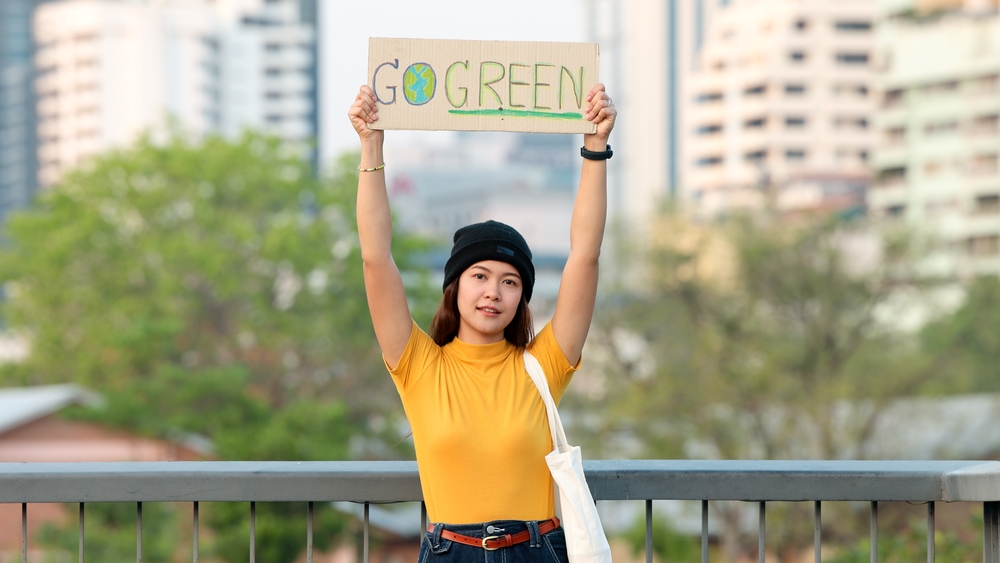
But plot twist: the cost isn’t always what it looks like. Many “green” swaps are actually long-term money savers. A $40 reusable water bottle feels like robbery, until you realize you’ve stopped buying 2-for-$3 plastic bottles every other day. A $200 bike might sting at first, but if it cuts down your Uber budget, suddenly it’s paying for itself.
The Capitalism Trap
Here’s where it gets chaotic: brands know we want to be good people. Cue the flood of “eco-friendly” drops that make you think you need to buy more stuff to live sustainably. That’s not sustainability—that’s capitalism in a green hoodie. The most sustainable outfit? The clothes already in your closet. The most sustainable phone? The one you didn’t upgrade just because Apple dropped a slightly shinier rectangle. Sometimes “sustainable living” is just… chilling on the consumerism.
Small Shifts, Big Impact
Good news: being sustainable doesn’t have to drain your Venmo balance. Some of the cheapest habits are the most impactful.
- Thrifting > Fast Fashion: You’ll save cash, find unique fits, and keep clothes out of landfills. Win-win.
- Meatless Mondays: Plant-based meals once or twice a week lower your grocery bill and your carbon footprint.
- DIY Cleaning Products: Vinegar and baking soda aren’t just for science fair volcanoes—they can replace half the overpriced “eco-cleaners” in the aisle.
- Public Transit / Carpooling: Saving the planet and gas money? Revolutionary.
The Flex of Future-Proofing
Here’s the underrated angle: sustainability is like an investment. Yeah, that LED bulb is more expensive now, but it lasts 25 times longer than the cheap ones. Reusable period products? Higher upfront cost, but way less over time. Sustainable living is often less about “spending more money” and more about “spending smarter.”
The Social Pressure Factor
Let’s not forget the vibes. Sustainability has become a social performance in some spaces—like you’re either carrying a mason jar and composting in your kitchen or you’re “part of the problem.” But sustainability doesn’t need to be aesthetic to count. If your version is rocking a beat-up Hydro Flask with stickers peeling off, or cutting down on plastic bags by cramming everything into your hoodie pocket, that’s still real impact. You don’t need the Instagrammable version of eco-consciousness to be valid.
When Cheap = Sustainable
Plot twist number two: sometimes the broke option is the sustainable one. Can’t afford a new electric car? Not driving everywhere is more eco-friendly anyway. Too broke for $300 linen pants? Wearing what you already own beats fast fashion turnover. Even cooking at home because you can’t afford constant takeout is lower waste than a mountain of disposable delivery containers. Being broke and being sustainable can overlap more than brands want you to realize.
So… Can You Afford It?
The short answer: yes, but only if you’re willing to unlearn the idea that sustainability = buying trendy “green” products. True sustainability is less about shopping your way into saving the planet and more about rethinking how you already live. It’s cooking instead of DoorDashing every night. It’s patching your jeans instead of impulse-buying another pair. It’s remembering that the most eco-friendly item is the one you don’t buy at all.
Being sustainable doesn’t have to mean being broke. It just means playing the long game—and maybe realizing that saving the Earth doesn’t come with free shipping.