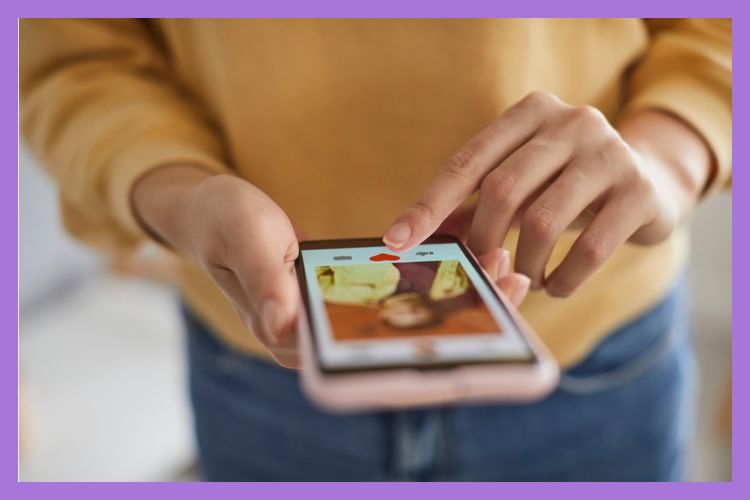
Picture the scene: it’s 2013, you’re in college, your hair is dip-dyed pink, and suddenly your roommate whispers the words that will change romance forever – “there’s this new app where you just swipe.” Tinder didn’t just enter the chat; it rewrote it. Fast-forward a decade, and dating apps aren’t just a tool, they’re the cultural backdrop of an entire generation’s love life. The apps aren’t side characters anymore, they’re the stage crew, director and plot twist all rolled into one.
If you’re between 18 and 30 right now, come on, your love life has been touched by an algorithm at some point. Whether it’s a glorious situationship birthed from a late-night swipe, or trauma in the form of ghosting so brutal it could qualify as a paranormal event – dating apps are baked into our collective coming-of-age story. They turned “where did you two meet?” from a rom-com anecdote into a sheepish, “uh… Hinge.” And today, that’s just the new normal.
But the apps didn’t just change logistics (no more waiting for fate to put you next to someone cute in a coffee line). They changed the rules of engagement. They taught us to window-shop people like sneakers, to gamify attraction with dopamine hits, to curate our personalities into digestible photo dumps and witty prompts. Love became less about grand gestures and more about the 0.5 seconds someone takes to decide if you’re worth a thumb flick. That’s not just a shift in dating, it’s a shift in human connection.
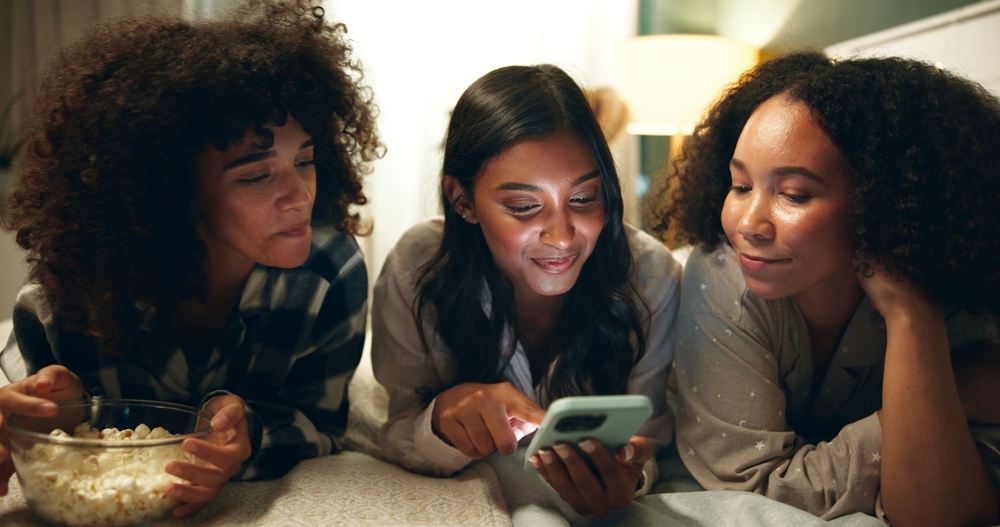
Of course, it’s not all dystopia and vibes. Dating apps cracked open accessibility in ways previous generations couldn’t dream of. They made queer love stories visible, long-distance relationships possible, and casual connections less stigmatized. But they also handed us burnout, “the bare minimum man,” and the rise of situationships that thrive in ambiguity.
From Missed Connections to Microchips
Love Before the Swipe
Once upon a time (read: early 2000s), “online dating” was whispered like a dirty secret. You had to brave clunky desktop websites, answer essay-length questionnaires on OkCupid, or drop a desperate “missed connections” post on Craigslist like you were casting a message in a bottle. Meeting your partner online wasn’t yet considered “cute” – it was more like, “should we tell people… or just say we met at a bar?”
The Tinder Big Bang
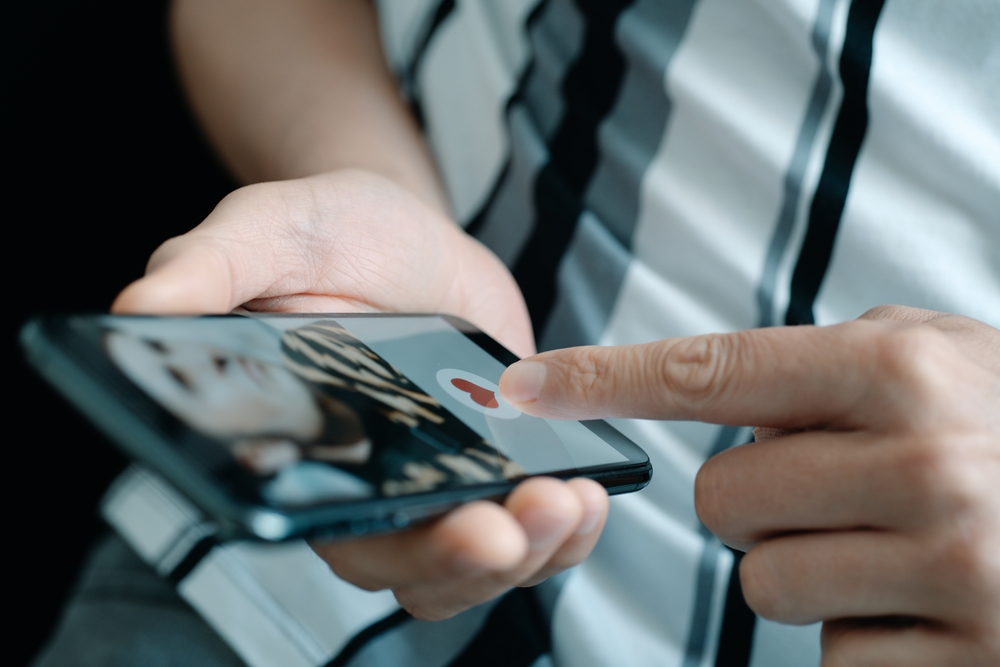
Then came 2012, and with it, Tinder. Suddenly, dating wasn’t a questionnaire, it was a dopamine-laced game. Swipe left, swipe right, jackpot. The mechanic was so simple it felt obvious in hindsight. And it worked because it tapped into something primal: the brain’s love of instant feedback. Attraction became micro-interactions, as easy as scrolling memes at 2 a.m.
Tinder wasn’t just an app; it was the cultural reset. It went from niche experiment to college-campus obsession to full-blown verb in what felt like weeks. Even your most offline friend (the one who still wrote “;)” in texts) was suddenly swiping.
The Appification of Love
And Tinder opened the floodgates. Bumble promised girl-power swiping. Hinge marketed itself as “the app designed to be deleted” (which… iconic marketing, if a little chaotic). Grindr was already holding it down for queer hookups. Soon, “the apps” became shorthand for dating itself, the same way “Netflix” became shorthand for streaming.
Dating stopped being something you stumbled into and started being something you actively curated with filters, settings, and profile pics taken during golden hour. Fate got outsourced to the algorithm.
From Taboo to Default
By the late 2010s, the stigma had evaporated. Instead of lying about “meeting at a party,” couples were proudly announcing they matched on Bumble. Apps weren’t fringe, they were the infrastructure of modern romance. And for Gen Z, who basically learned to flirt through DMs and Snapchat streaks, dating apps weren’t just normal. They were inevitable.
Swipe Culture & the Casino Effect
Welcome to the Slot Machine of Love
Let’s be honest: swiping isn’t just dating. It’s gambling in an aesthetic disguise. Every left or right is basically pulling a lever, waiting for the dopamine jackpot of a match! notification. Neuroscientists will tell you it’s the same reward loop that keeps people hooked on Candy Crush or Vegas slot machines. Except here, the prize isn’t points - it’s a person. (Or, more realistically, someone who will ghost you after three “wyd” messages.)
The Gamification of Attraction
Dating used to be messy and unpredictable. You’d awkwardly chat at a party, maybe get rejected, maybe not. Now? It’s streamlined into binary decisions: yes/no, hot/not, vibe/no vibe. There’s a strange efficiency to it, but also a flattening. People turn into cards in a deck, swiped past in seconds. Profiles aren’t whole humans; they’re product pages.
And that’s the kicker, apps made romance feel like shopping. You filter by height, location, Spotify anthems. You scroll like you’re browsing sneakers on StockX. Suddenly, love is less about chemistry and more about curation.
The Meme-ification of Dating
Naturally, the internet turned this into content gold. Think: “this could be us but you playin’” memes, TikToks about unhinged bios, Twitter threads ranking the worst openers ever sent. Swiping became so universal it gave us a shared comedic language. Everyone has a horror story, and everyone knows the “he’s a 10 but texts ‘sup’” drill.
The Dark Side of the Carousel
But here’s the burnout: endless options don’t necessarily mean better outcomes. Psychologists call it the “paradox of choice” – the more people you could date, the harder it is to commit to any of them. FOMO becomes the third wheel in every situationship. Minor slip-ups that barely even constitute an “amber flag” suddenly become enough to move on to the next one. Because in this sea, there really are plenty of fish.
What started as dopamine-fueled novelty slid into fatigue. Because the truth is that when dating feels like an infinite scroll, you’re not chasing love anymore. You’re just chasing the next hit.
The Rise of the Casual
From “Are We Dating?” to “We’re Just Vibing”
Remember when “dating” meant dinner, a movie, and maybe holding hands like you were in a 2000s teen rom-com? Yeah, apps torched that. With the swipe era came a new category of romance: casual everything. One-night stands? Normalized. Friends with benefits? Who isn’t. And then the crown jewel of modern ambiguity: the situationship.
Enter the Situationship
Think of a situationship as Schrödinger’s relationship: it exists and doesn’t exist at the same time. You hang out, you text daily, maybe even meet each other’s friends, but when someone asks “what are you guys?” the answer is a panicked shrug. Apps didn’t invent this limbo, but they industrialized it. Why lock it down when there are a thousand more swipes waiting in the queue?
TikTok is basically a museum of this phenomenon: girls dissecting “bare minimum men,” guys venting about “low-effort texting,” and endless POV videos captions, “when he says he’s not ready for a relationship but you still get that good morning princess text.”
Ghosts, Crumbs and Orbits
Casual dating also birthed an entire dictionary of emotional side effects.
- Ghosting: vanishing mid-conversation like you’ve been Thanos-snapped.
- Breadcrumbing: giving just enough attention to keep someone hanging.
- Orbiting: watching every Insta story but never engaging (aka the digital haunting).
Apps made these behaviors not just possible but expected. Why risk the awkward breakup talk when you can just… disappear?
The Good, The Bad, The Iffy
For some, casual culture is liberating. You can explore, experiment, and connect without the heavy expectations of “forever.” For others, it’s exhausting - a carousel of half-baked connections that never quite settle into anything real. Either way, it’s reshaped how an entire generation defines intimacy. Commitment is no longer the default; ambiguity is.
Love in Beta Mode
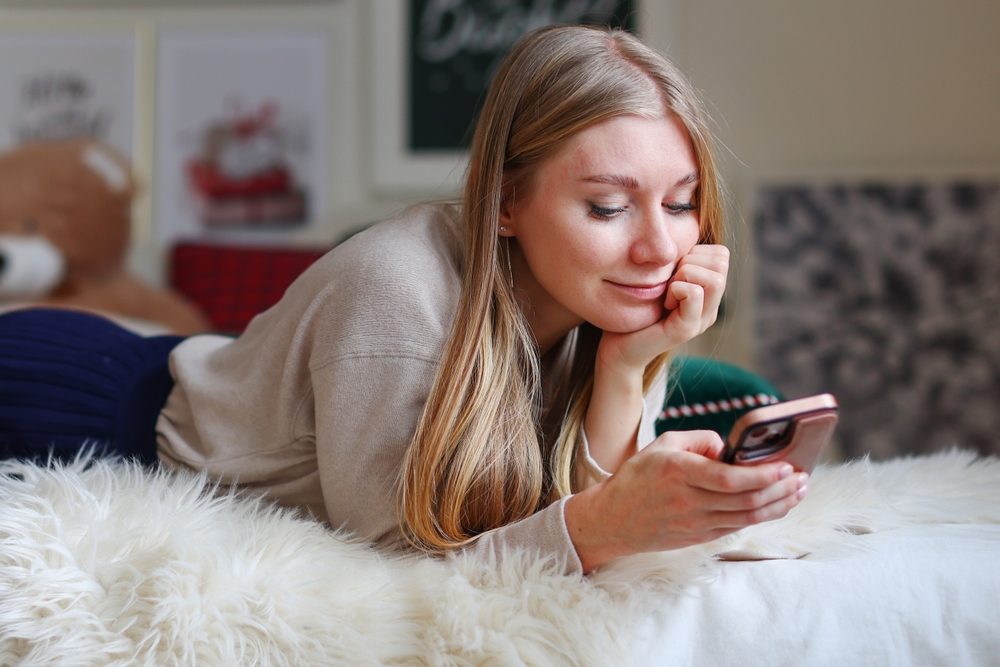
If relationships used to be software, dating apps put them in permanent beta testing. You’re constantly trialing, updating, bug-fixing, except the bugs are red flags, and the updates are just new people to swipe.
Inclusivity, Identity, & the Algorithm
A Queer Revolution in Your Pocket
If there’s one thing dating apps nailed, it’s accessibility. For LGBTQ+ folks, apps weren’t just convenient, they were revolutionary. Grindr launched in 2009 and basically redefined queer connection overnight. For many, it was the first safe, discreet space to meet others like them. Later, apps like HER and Lex added nuance, carving out platforms for queer women, non-binary, and trans users who were sick of being sidelined.
Suddenly, love wasn’t confined to your geography or your friend group. It was in your hand, filtered by preference, available at 2 a.m. Apps made finding your people, whether romantic, sexual, or platonic, immeasurably easier.
Niche Love, Big Energy
And it didn’t stop there. FarmersOnly (yes, it’s real), JSwipe for Jewish singles, Christian Mingle, even apps for dog lovers. The internet said: if you can imagine a “type,” there’s probably an app for it. Apps democratized dating in a way previous generations could never touch.
But, unfortunately, inclusivity and accessibility don’t always equal equity.
The Algorithm Has a Type
Research shows dating apps aren’t neutral. Algorithms can reinforce racial hierarchies by prioritizing certain profiles or suggesting “types” based on biased swiping patterns. Translation: the algorithm is learning from human prejudice, and scaling it. Desirability politics (who’s considered “attractive,” “exotic,” or “undesirable”) don’t vanish online; they multiply.
Cue countless TikToks and Twitter threads from people venting about being fetishized (“you’re so exotic”), excluded (“no Asians”), or reduced to stereotypes. In theory, apps opened doors. In practice, many users still find those doors guarded by bias-coded locks.
Authenticity vs. The Algorithm
And then there’s the curation game. Apps encourage you to brand yourself with prompts and playlists, but what happens when your authentic self doesn’t fit the algorithm’s “optimal” mold? People end up performing identities instead of living them, tweaking bios and photos to chase matches instead of connection.
A Step Forward, A Step Sideways
So yes, apps gave visibility and access to groups long underserved by traditional dating culture. But they also imported society’s prejudices into digital space – polished, optimized, and served to you via swipe.
The New Romance Economy: Branding Ourselves for Love
Profiles as Portfolios
Once upon a time, your dating “profile” was whatever your friends said about you at a party. Now? It’s a curated brand deck. The right angles, the witty Hinge prompt, the Spotify anthem that screams effortlessly cool but approachable.
There’s now an entire micro-industry of professional dating profile photographers. Think about that for a sec: people hire specialists to capture their “authentic” self… but, like, in three different outfits at golden hour with a cocktail in hand. Even captions are optimized. “Just here for a good time” or “looking for my partner-in-crime” became templates, copy-pasted across thousands of profiles until they lost all meaning.
It’s LinkedIn vibes, but flirty.
The Burnout Economy
But branding yourself is exhausting. Constantly tweaking photos, updating prompts, testing which version of you performs best, it’s basically A/B testing your personality. Psychologists call it “choice overload,” but users just call it burnout. You’re swiping, optimizing, presenting, repeating, until romance feels less like connection and more like unpaid marketing labor.
Influencer Energy
Apps blurred the line between dating and content creation. You’re essentially posting bite-sized, scrollable content in the hopes someone engages. Bios are captions, photos are posts, and swipes are likes. In some ways, it’s influencer training: practice curating yourself for maximum clicks, maximum reach.
At the core, apps reframed intimacy as a marketplace. You’re not just finding love; you’re competing for visibility in a global showroom. And when people are products, connection becomes commerce.
Pandemic Plot Twist
Zoom: The New Candlelight
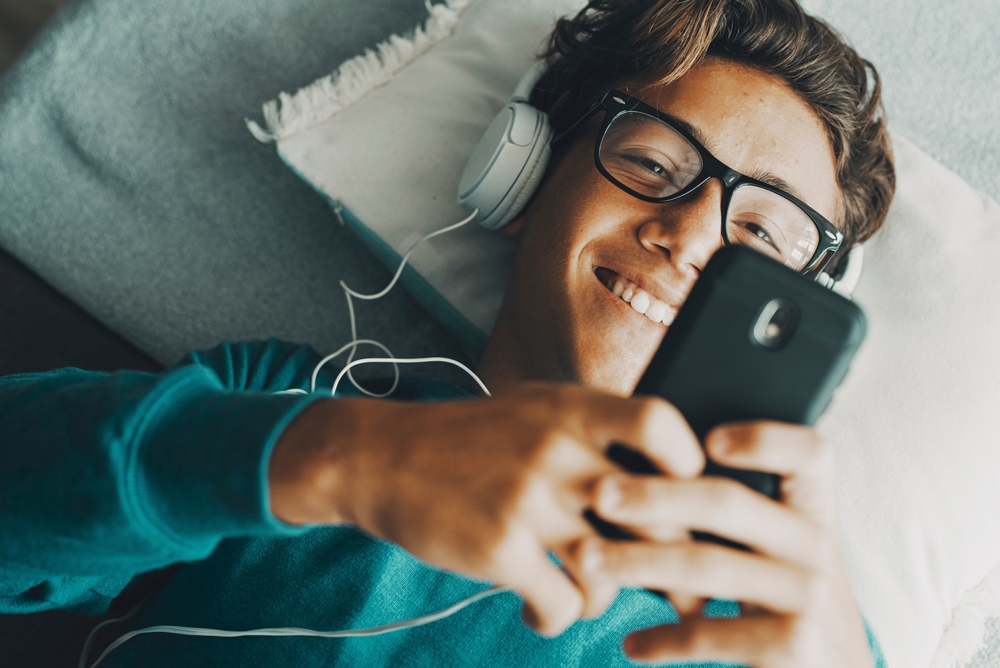
Remember March 2020? Suddenly, the entire world was single-at-home, staring at sourdough starters and Tiger King. For daters, apps flipped from casual pastime to lifeline. Swipes spiked, video dates became standard, and FaceTime replaced dinner-and-a-movie. Hinge even dropped voice notes, which was basically a personality test in audio form: are you hot, or do you just have a nice voice?
Digital Intimacy First, Physical Later
The pandemic inverted the usual order. Instead of “meet, vibe, maybe kiss,” it became “talk for weeks online, emotionally trauma-bond over lockdown, then meet months later.” Some people swore it deepened connections – like retro courtship with modern Wi-Fi. Others? Burned out fast. Text threads that stretched 200 messages just… fizzled when restrictions lifted.
Memeable Romance
Naturally, the internet made it iconic. Screenshots of FaceTime dates with wine glasses held up to webcams. Tweets like “we fell in love in a hopeless place” captioning Zoom screenshots. Dating became content in itself, another shared cultural glitch we all joked our way through.
The Aftermath
By the time lockdowns eased, people were split. Some leaned harder into apps (hey, if you can survive a global crisis together, why not?). Others ditched digital for IRL, desperate for organic meetups.
Generational Fallout: What’s Left After a Decade of Swipes?
Millennials: The Beta Testers
Millennials were the guinea pigs. They downloaded Tinder when it was still a novelty, rode the wave of Bumble and Hinge, and collected war stories that now sound like folklore: “he took me to Chili’s and never texted again,” or “we matched, got married, and now have two kids - yes, from Tinder!” By their early 30s, many Millennials hit app fatigue. Some deleted them entirely, retreating to IRL setups, while others stuck around reluctantly, treating dating apps like a utility – annoying but necessary, like taxes or renewing your passport.
Gen Z: Fluent but Fried
Gen Z, though, grew up native to swipe culture, approaching dating apps like second nature. But fluency doesn’t equal fulfilment. Surveys show Gen Z reports the highest levels of dating burnout – endless swipes, ambiguity, and “are we talking to other people?” vibes. They’re hyper connected, but also hyper-cynical, joking on TikTok about “the bare minimum” while half-seriously longing for an offline meet-cute in a bookstore (cue 2014 Tumbler-core fantasy).
The IRL Revival
But now, after years of apps dominating the field, there’s a nostalgic return to “organic” connections. Speed dating events are rebranded as “vibe checks.” Bars and clubs push “singles nights.” Even friend-of-a-friend matchmaking feels retro-cool. In some circles, meeting through an app isn’t cringe, but meeting offline has become a flex.
Romance as Retro
It’s wild to think that holding hands in public, locking eyes across a room, or even writing a note (gasp!) now feel almost vintage. After a decade of swipes, the novelty isn’t in digital convenience, it’s in analog chaos. Love, for this generation, is both everywhere and nowhere: mediated by screens, memed into oblivion, but still desperately sought in its most human, messy form.
The Culture Built (& Broken) by Apps
From Horror Stories to Hashtags
Dating apps didn’t just change relationships, they became content. Screenshotted convos turned into viral threads. Awkward first dates became podcast episodes. Entire meme formats - “he’s a 10 but…” or “red flag/green flag” - were born from app chaos. If you’ve ever laughed at a TikTok about the guy who only texts “wyd,” congrats: you’re part of the culture dating apps built.
A Shared Rite of Passage
Love used to be private; now it’s communal. You don’t just date, you swap war stories in group chats, post screenshots on Twitter, or stitch your disaster tale into a viral TikTok. Apps gave us a collective language for modern intimacy: ghosting, breadcrumbing, situationships. Even if you’ve never swiped, you know the slang. It’s seeped into the zeitgeist.
Comedy and Catharsis
Stand-up specials roast app culture. Sitcoms write entire arcs around bad Bumble dates. The apps gave us endless material - part cringe, part catharsis. Joking about heartbreak doesn’t erase the pain, but it makes it communal, meme-able and survivable.
The Downside
Of course, culture cuts both ways. The jokes sometimes mask real disillusionment: burnout, body commodification, distrust. Humor helps us process, but it also normalizes dysfunction. When everyone’s laughing about being ghosted, it stops feeling shocking – it just feels inevitable.
Swipes, Matches, and the Legacy of Digital Love
So where does that leave us, a decade deep into swiping culture? Somewhere between nostalgia for “organic sparks” and acceptance that, like it or not, dating apps are baked into our DNA. They didn’t just change how we meet, they rewired how we define connection, intimacy, and even desirability.
On the bright side, apps cracked open access: queer love stories found platforms, niche communities thrived, long-distance became less impossible. They democratized dating in ways our parents couldn’t imagine. But they also left us burnt out, treating humans like profiles in an endless scroll, and building a culture where ghosting feels as normal as small talk.
The irony? After years of curating profiles and chasing dopamine hits, the thing everyone seems to crave most is what apps can’t fully replicate: messy, offline, un-optimized chemistry. Which is why meet-cutes in real life now feel almost radical.
Maybe that’s the final twist. Dating apps shaped us, memed us, commodified us – and we survived, joke-laden and maybe slightly jaded. Love isn’t dead, it’s just…adapted. The apps aren’t the story forever. They’re just the prologue to however we figure out what comes after the swipe.