
If you’ve ever found yourself hypnotized by a stranger folding laundry on TikTok at 2 a.m., you’re not alone. Welcome to the era of cozy content—a genre of videos where absolutely nothing explosive happens, and yet your nervous system thanks you for sticking around. Cleaning montages, room resets, “get ready with me” routines—these aren’t just low-stakes distractions. They’ve become Gen Z’s collective anxiety balm.
What Exactly Is Cozy Content?
Think of cozy content as the opposite of doomscrolling. It’s warm lighting, slow pans, and everyday tasks that feel both achievable and satisfying. Instead of jump cuts and chaos, you get rhythmic actions: vacuum lines forming on carpet, mugs being rinsed, bedsheets tucked crisp and tight.
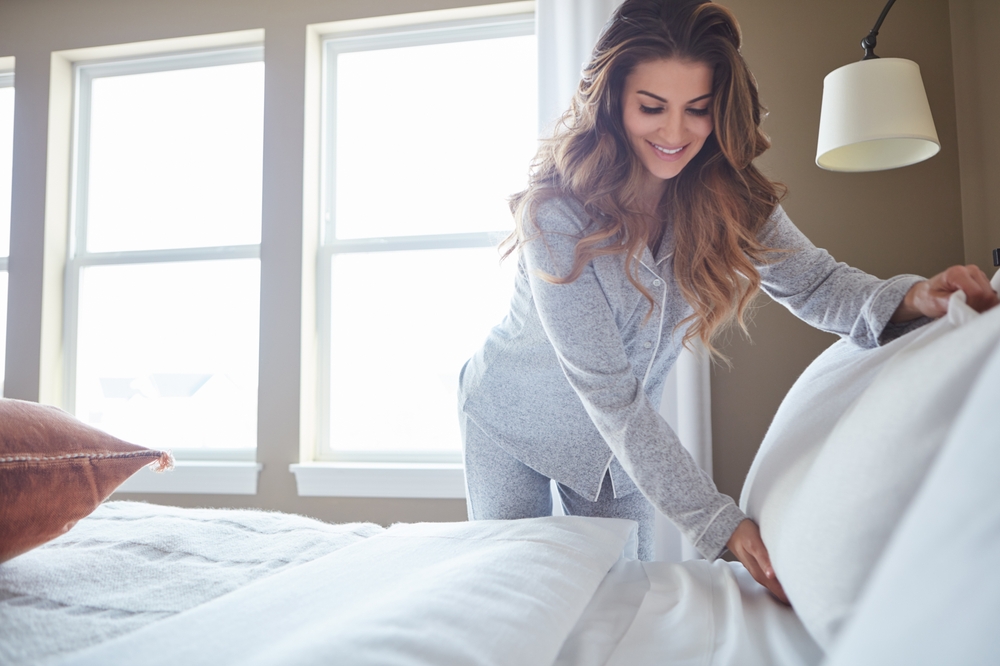
It’s not about the thrill—it’s about the predictability. You know the bed will be made. You know the dishes will sparkle. And in a world where half your For You Page is either celebrity drama or climate collapse headlines, that predictability is intoxicating.
The Science of Watching Mess Turn Into Order
Here’s the fun part: your brain literally loves watching mess transform into order. Psychologists call it the “completion effect”—when unfinished tasks create mental tension, and finishing them releases a hit of relief. Even if you’re not the one scrubbing the counters, your brain still processes the “before and after” as a tiny reward cycle.
Combine that with ASMR-like triggers—the sound of vacuum suction, a sponge squeaking, or neatly folded shirts hitting a drawer—and you’ve got a cocktail for nervous system calm. It’s like tricking your brain into thinking you cleaned, without ever lifting a Swiffer.
Why Gen Z Is Addicted to Cozy Chaos
Here’s the tea: Gen Z grew up in perpetual chaos. Recession, climate anxiety, pandemics, constant breaking news—you name it. Cozy content is like a rebellion against overstimulation.
Instead of “grindset” productivity hacks, it’s small, non-threatening tasks. Instead of epic transformations, it’s cleaning one nightstand. It’s relatable, not aspirational. And that relatability hits harder than the perfectly staged, Pinterest-core content millennials grew up chasing.
The Comfort of Low Stakes
There’s something radical about watching content where nothing goes wrong. No plot twists, no disasters, no toxic arguments in the comments. Just a person lighting a candle after they finally wiped down their desk.
Cozy content says: “You don’t have to overhaul your life to feel okay. You can just… fold a blanket.” And honestly? That message feels like an antidote to the burnout culture that screams at us to always hustle harder.
From Side Content to Main Event
What started as filler on TikTok has become a genre all its own. Entire YouTube channels now dedicate themselves to “Sunday resets.” Twitch streamers run “study-with-me” live sessions that rack up thousands of viewers who… literally just want company while doing chores. Cozy content isn’t background noise anymore—it’s center stage, shaping the way we think about self-care and digital downtime.
The Big Picture: Digital Self-Soothing
At its core, cozy content is about control. In a digital world that often feels messy and unfixable, watching someone clean their kitchen or water their plants gives us the illusion of tidiness—both on-screen and in our own heads.
So the next time you spiral into a cozy-content rabbit hole, don’t feel guilty. You’re not “wasting time.” You’re giving your brain a spa day. Because sometimes the most rebellious thing you can do online is watch someone vacuum their rug in peace.