If you’ve scrolled TikTok lately, you’ve probably noticed it: the thrift flip takeover. One second, someone’s holding up a grandma-core nightgown from Goodwill, the next, it’s a chic two-piece co-ord fit serving Pinterest board realness. It’s not just fashion—it’s activism with a sewing machine. And the best part? Anyone with scissors, a sewing kit, or even just a glue gun can join in.
What Exactly Is Thrift Flipping?
At its core, thrift flipping is the art of rescuing clothes from thrift stores, flea markets, or even your aunt’s attic and transforming them into something new, wearable, and actually cool. Think: oversized jeans reimagined as a micro skirt, old button-downs chopped into trendy crop tops, or baggy blazers tailored into power fits.
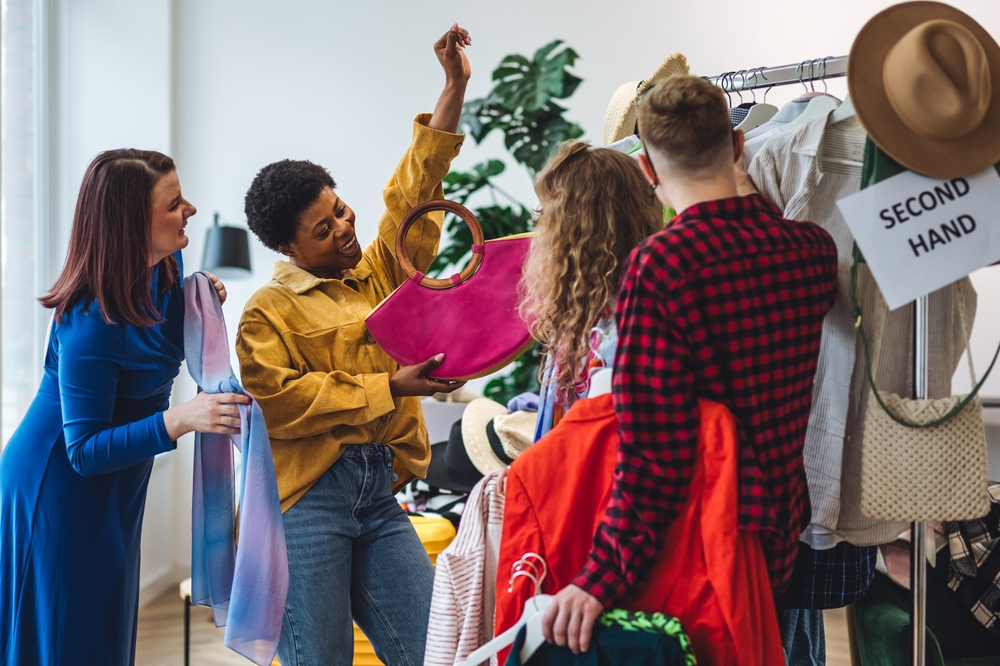
It’s DIY meets sustainability meets “I refuse to spend $90 on a fast-fashion dupe when I can make it myself.”
Why Gen Z Is Obsessed
Thrift flipping isn’t just a hobby—it’s an aesthetic, a lifestyle, and a low-key clapback at the fashion industry’s waste problem.
Why It Slaps
- It’s sustainable. Fast fashion is literally cooking the planet, and Gen Z knows it. Thrift flips keep clothes out of landfills while reducing the demand for mass-produced trends.
- It’s creative. Instead of showing up in the same Shein top as everyone else, thrift flipping means your wardrobe is a one-of-one. Your “fit check” is basically wearable fanfic.
- It’s affordable. That $5 thrifted jacket + an hour of tweaking = an outfit that could pass as designer. Inflation can’t touch you when your drip is recycled.
- It’s content gold. The before-and-after reveal videos rack up likes. People love the drama of a glow-up, and nothing hits like “ugly sweater turned Pinterest chic.”
The Social Media Effect
Platforms like TikTok and Instagram Reels turned thrift flipping from a niche DIY scene into a full-blown cultural movement. Creators post tutorials, thrift hauls, and sewing hacks that make you want to raid your local Goodwill ASAP. The algorithm rewards it too—satisfying transformation videos + sustainability messaging = endless engagement.
Thrift flip culture also feeds into Gen Z’s rejection of cookie-cutter consumerism. Instead of shopping new, they’re remixing what already exists, flexing individuality while still vibing with global climate concerns.
From Side Hustle to Main Hustle
For some, thrift flipping has evolved from a weekend project into a legit business. Etsy shops, Depop stores, and even Instagram boutiques are popping off with curated and flipped pieces. What used to be a hobby can now fund your matcha habit—or pay your rent.
Gen Z’s entrepreneurial streak is alive and thriving, and thrift flipping is the perfect storm: low startup costs, high creativity, and demand from fashion-hungry buyers who want sustainable but stylish pieces.
Why It Matters
Thrift flipping isn’t just another trend in the endless TikTok cycle. It’s a cultural pushback against disposable fashion, a creative outlet for stressed-out twenty-somethings, and a quiet revolution in how we think about clothes.
Because when you upcycle, you’re not just making a fit—you’re making a statement: fashion can be fun, original, and planet-friendly all at once.
✨ TL;DR: Thrift flipping is Gen Z’s way of mixing sustainability with style, rejecting fast fashion while turning Goodwill racks into runway-worthy content. It’s cheap, creative, and literally saving the planet one upcycled fit at a time.