Gen Z has somehow become both the eco-warrior generation and the impulse-buy generation. They’ll drag politicians on TikTok for ignoring climate change… then unbox a 47-piece Shein haul in the very next swipe. It’s like watching a polar bear collab with Temu. On one side: thrifting, Depop drops, and the smug joy of telling someone “oh, this? It’s vintage” when in reality you fished it out of a $2 bin at Goodwill. Thrift fits are a flex, not just because they’re cheaper, but because they’re proof you have taste, patience, and maybe a little bit of main-character energy. On the other side: fast fashion - the land of micro-trends, polyester, and algorithm-powered dopamine. Your whole “casual cowgirl summer” wardrobe arrives for under fifty bucks, complete with enough plastic to build a transformer.
This contradiction isn’t just a quirky shopping habit – it’s the cultural paradox at the heart of Gen Z fashion. A generation that preaches sustainability is also powering the most wasteful retail empire the world has ever seen. The vibes are ethical consumption memes, the reality is late-stage capitalism with free returns.
But it’s not just hypocrisy. Thrifting itself is increasingly gentrified (think Depop sellers charging $80 for ratty Nikes), while fast fashion is cheap, fast, and accessible in a world where trends expire faster than an Instagram story. The question isn’t really “why are Gen Z like this?” – it’s more like: can any generation realistically resist the algorithm when it keeps dangling shiny new aesthetics like free samples at Costco?
The Rise of the Thrift Aesthetic
From Hand-Me-Downs to High Status
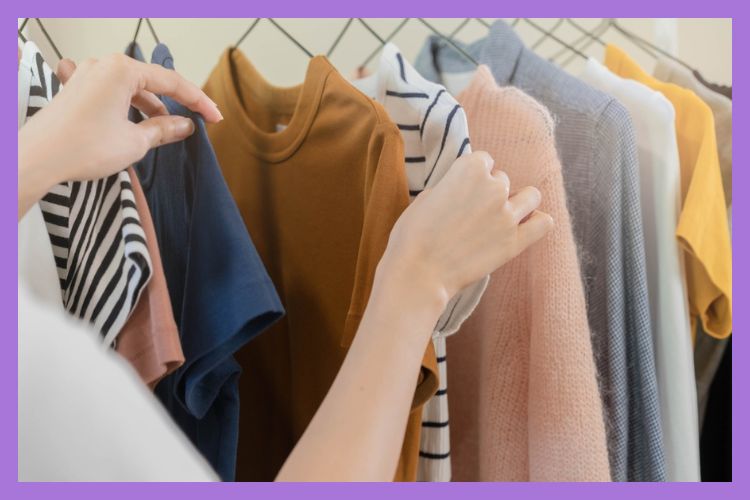
Once upon a time (read: the ‘80s and ‘90s), thrift shopping wasn’t chic, it was necessity. Wearing secondhand or hand-me-downs was the only way to put clothes on your back. But fast-forward a few decades and suddenly those same thrift stores became treasure hunts. Punk kids in the ‘70s, grunge kids in the ‘90s, Tumblr girls in the 2010s - they all helped flip the script. What was once embarrassing became rebellion: fashion as protest against malls, logos, and looking like everyone else.
The Tumblr-to-TikTok Pipeline
By the mid-2010s, thrifting wasn’t just for counterculture anymore, it was content. Think messy thrift hauls on YouTube, moody flat-lays on Tumblr, and eventually, hyper-edited TikToks where someone finds a Y2K baby tee and 5 seconds later it’s in your Depop cart for $45. Emma Chamberlain pulls up in a thrifted cardigan and suddenly the “grandpa-core” you laughed at is the hottest thing on Pinterest.
Unique = Social Currency
Thrifting became the anti-fast fashion flex. Instead of showing off a logo, you showed off your ability to find a one-of-one piece. A thrift fit says: “I have taste, creativity, and maybe a sixth sense for hidden gems.” It’s not just clothing, it’s social capital: a way to stand out in a sea of Zara basics.
The Gentrification of Goodwill
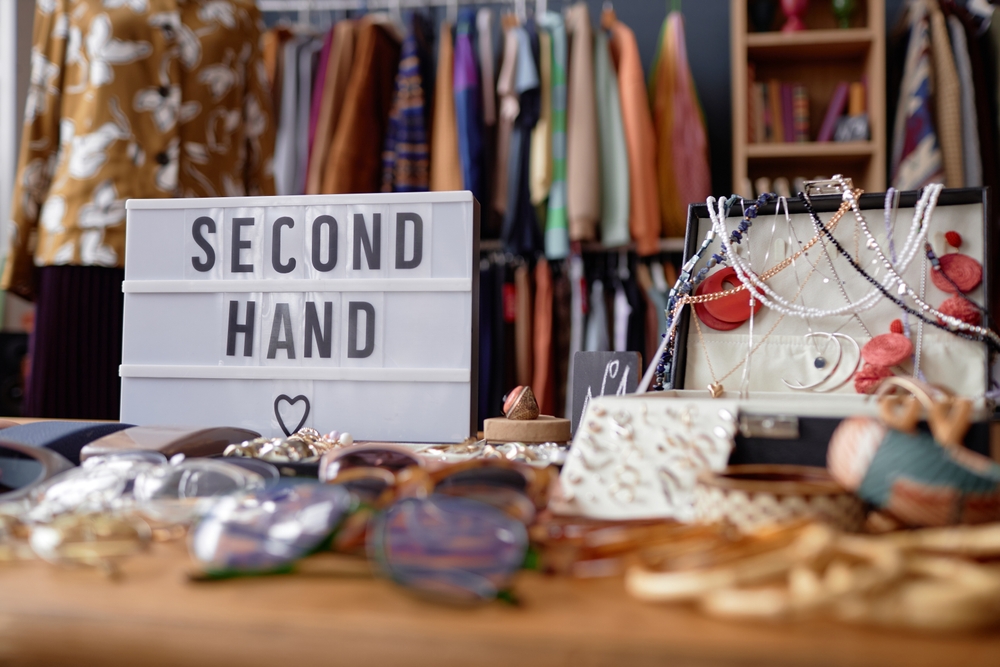
But the thrift boom drove reselling culture into overdrive. Suddenly, every Goodwill became the backstage pass to a mini-business empire. People started flipping $6 jeans into $80 “vintage Levi’s” and cleaning out racks so aggressively that low-income shoppers (the ones who thrifted out of necessity) were left with slim pickings. The thrift aesthetic went from sustainable and affordable to curated, priced-up, and elitist real quick.
Thrift as Identity
Still, the appeal is obvious: thrifting feels authentic in a world drowning in dupes. It’s nostalgia-driven, eco-friendly (ish), and endlessly adaptable. Whether you’re into Y2K baby tees, oversized ‘90s windbreakers, or literal grandma blouses, the thrift aesthetic makes individuality its biggest selling point.
The Fast Fashion Juggernaut
If thrifting is the slow-cooked meal of fashion, fast fashion is the microwave burrito: cheap, fast, and questionably made. Enter Shein, Temu, Boohoo, PrettyLittleThing - brands that churn out new designs with the speed of a TikTok trend cycle (which, let’s be honest, is like 12 business hours). Where Zara and H&M once reigned, these apps now flood feeds with 1,000+ new styles a day. Yes, day. That’s not a supply chain, that’s a content farm disguised as a factory.
The Dopamine Drip Economy
Shopping isn’t just about clothes anymore, it’s about vibes, entertainment, and the little hit of serotonin that comes when you click “place order.” TikTok haul culture turns consumption into content: unboxings, try-ons, styling videos. You’re not just buying a shirt, you’re buying the chance to film a mini fashion show for your followers. It’s shopping as performance art, and Shein is the stage.
Democratizing the Aesthetic Arms Race
Here’s the thing: fast fashion does have an appeal. Not everyone has access to the perfectly curated thrift store or the $300 “sustainable” brand that influencers push. Fast fashion means anyone can buy into “Tomato Girl Summer,” “Coastal Cowgirl,” or whatever niche-core TikTok cooks up next week – without a loan. It’s fashion as democracy, with polyester ballots.
The Hidden Receipts
Of course, democracy comes with fine print. The clothes are cheap because someone else is paying the real price: underpaid workers, toxic dyes, landfill mountains. By the time your micro-trend crochet top hits your closet, there’s a carbon footprint bigger than Taylor Swift’s. Shein reportedly produces more items in a week than Zara does in months, and about 85% of that fast fashion ends up in landfills anyway. The receipts are ugly, so they rarely make the “Outfit Inspo” TikTok.
The appeal of fast fashion is its speed. The problem with fast fashion is… its speed. When trends move this quickly, clothes aren’t designed to last – physically or aesthetically. That mini-skirt you bought in June? By September, its cringe. By December, its microplastics. But hey, at least you looked cute for the algorithm.
Gen Z’s Double Life
Captain Planet With a Shein Cart
Picture this: Saturday afternoon, climate march, cardboard sign reading “There is No Planet B.” Fast forward twelve hours and the same person is on TikTok posting, “Shein haul! 47 items for $112!!” This isn’t a glitch – it’s the Gen Z paradox in action. While they are championing Greta and flying the environment flag high, they are also fueling Kyle Jenner’s private jet full of one-time-wear hauls. The generation most obsessed with sustainability is also the engine keeping ultra-fast fashion alive. And somehow, they don’t see those two things as mutually exclusive.
Algorithms Reward Both Saints and Sinners
Scroll TikTok and you’ll see thrift hauls pulling millions of views, Depop sellers styling outfits like runway shows, and right next to them, Shein mega-hauls that rack up even more engagement. The algorithm doesn’t care if it’s sustainable or wasteful; it cares if it’s clickable. Both aesthetics feed the same beast: endless consumption as entertainment. It’s less about where the clothes came from and more about whether they make good content.
The Outfit Repeating Problem
Here’s the uncomfortable truth: Gen Z hates outfit repeating almost as much as they hate climate change. The pressure to constantly refresh your look is intense when every fit can end up on Instagram, TikTok, or BeReal. Wearing the same dress twice? Fine in real life, unforgivable on the feed. Fast fashion solves that problem with endless, cheap variety. Thrifting solves it with uniqueness. But both scratch the same itch: don’t get caught looking boring online.
The Meme-ified Hypocrisy
Gen Z knows they’re contradicting themselves, and they’ve already memed it. Think TikToks captioned “me at a climate protest vs. me unboxing my 38th Shein package this month.” The humor becomes a coping mechanism: if you can laugh at your contradictions, maybe they sting a little less. Hypocrisy, but make it ironic-core.
Identity vs. Reality
At its core, this double life isn’t just about clothes, it’s about identity. Gen Z wants to be eco-conscious, anti-corporate, and socially responsible. But they also want to participate in hyper-fast cultural cycles, look good on camera, and not spend $120 on a single “sustainable” shirt. It’s not that they don’t care it’s that caring has to compete with affordability, accessibility, and aesthetics. In other words, the paradox isn’t a bug. It’s the system working exactly as designed.
The Economics of Contradiction
Sustainable ≠ Affordable
It’s easy to preach about buying sustainably when your rent isn’t eating 60% of your paycheck. Many “ethical” brands price themselves into oblivion for the average 20-something - $90 for a plain white tee because its “organic cotton” and “fair trade” feels more like a scam than a solution. Thrifting used to be the cheap alternative, but thanks to resellers and TikTok hype, even secondhand racks can look like designer boutiques. Fast fashion, meanwhile, still sells tops for $4.99 with free shipping. Math wins.
The Time & Energy Tax
Thrifting also takes effort: hours of digging, trial and error, the occasional thrift curse where you find nothing but stained polos and busted Forever 21 jeans. Not everyone has the luxury of spending an afternoon “curating a vibe.” Fast fashion apps make it one-click simple. Shein is basically Amazon Prime for outfits – no hunting, no waiting, just dopamine and polyester in your mailbox.
Class Dynamics in the Dressing Room
Let’s be real: the conversation around sustainability often assumes disposable income, free time, and access to “cute” thrift stores. But many Gen Zers are hustling, broke, or living in areas where thrifting means slim pickings. For them, fast fashion isn’t hypocrisy, it’s survival plus self-expression. Wanting to look good and keep up with trends doesn’t stop just because your bank account is on life support.
The Corporate Two-Step
And the fashion industry knows this. That’s why you see retailers hedging bets: Urban Outfitters sells “curated vintage” for $120 while also pumping out mass-produced basics for $20. It’s not thrift or fast fashion, it’s both, strategically packaged for every budget. Companies don’t care which side you pick, as long as you’re buying.
At the end of the day, thrifting is positioned as virtuous but can be inaccessible. Fast fashion is villainized but remains the only option that’s consistently affordable, scalable, and convenient. That’s the paradox boiled down to dollars and cents: sustainability often costs more than consumption, and in late capitalism, morality usually loses to price.
The Aesthetic Arms Race
From Seasons to Seconds
Fashion used to move in seasons – spring/summer, fall/winter, with a little resort collection sprinkled in. Now? Trends collapse in weeks. TikTok doesn’t just speed things up; it nukes the timeline entirely. By the time you’ve learned what “coastal cowgirl” is, the algorithm has already pivoted to “blokecore” or “mob wife winter.” Blink, and you’re wearing last month’s cringe.
Fast Fashion = Trend Factory
Shein and its cousins thrive here. Their whole business model is built for micro-aesthetics: scrape TikTok for what’s trending, mass produce a version in days, and ship it worldwide before the vibe shift happens. They’re not making clothes; they’re manufacturing memes. If you need a “tomato girl summer” dress for a party this weekend, thrifting doesn’t stand a chance against next-day delivery.
Thrift’s Timeless Rebellion
Thrifting, on the other hand, doesn’t play by micro-trend rules. It leans on nostalgia, timelessness, and the thrill of discovery. A thrifted Y2K bag or ‘90s windbreaker doesn’t expire in two weeks, it becomes part of your long-term identity. Where fast fashion says, “try this aesthetic on, then toss it,” thrifting says, “build your own vibe library.”
Algorithm vs. Authenticity
The tension? Both aesthetics feed the same machine. Fast fashion thrives on speed; thrift thrives on uniqueness. But in the algorithmic economy, they’re equally valuable because they both generate content. Whether you’re unboxing 50 Shein tops or styling your Goodwill finds into a ‘fit-check video, the outcome is the same: eyeballs, clicks, and commerce.
Vintage-Inspired, Factory-Fired
And then there’s the ultimate irony: Shein literally sells faux-vintage. The company has entire collections designed to mimic thrift finds: faux Y2K baby tees, knockoff Levi’s, “retro” jackets. It’s the ouroboros of fashion: fast fashion imitating thrift, thrift trying to stand apart from fast fashion, both ending up on TikTok with the same trending audio.
Possible Futures: What Comes After the Paradox?
The future of fashion isn’t written in polyester – though right now, it kind of feels like it is. Still, here are a few potential directions.
Tech fixes
Circular fashion startups are pitching everything from AI-powered resale platforms that match you with buyers in seconds, to rental models that make “wardrobe as a subscription” a thing. Imagine Spotify, but for clothes - playlists of fits you can borrow, then return when the trend dies. Cool idea, but scaling it beyond big cities and bougie budgets is the real challenge.
Cultural shifts
This might be the most realistic path. If Gen Z can make Crocs and low-rise jeans cool again, they can make outfit repeating aspirational. A “rewear challenge” on TikTok could shift the clout from “how much you bought” to “how creatively you styled what you already own.” Slow fashion might finally get its meme moment.
Corporate greenwashing (again)
Let’s not kid ourselves - the most likely future is brands doubling down on “eco-friendly” capsules while still cranking out mountains of polyester. We’ll get recycled marketing campaigns faster than recycled fabrics. The paradox won’t vanish, but it might get rebranded with a soothing shade of green.
In short: the future is less about erasing the paradox and more about remixing it into something survivable, and maybe even sustainable-ish.
Fashion Choices as a Mirror of a Generation’s Contradictions
Gen Z is both the thrift-store generation and the Shein generation, eco-warriors with a soft spot for next-day delivery. On paper, it looks like hypocrisy. In reality, it’s survival. The system rewards speed, cheapness, and novelty, and Gen Z is simply playing the game while trying to hack it at the same time.
For most, the paradox isn’t a guilty secret but a daily reality. Thrift when you can, buy fast fashion when you must, laugh about the contradictions online. Sustainability is noble but expensive; fast fashion is problematic but accessible. The tension between those two truths isn’t going anywhere soon.
Maybe the real answer isn’t to resolve the paradox, but to own it. To admit that yes, you care about the planet and you occasionally panic-order a $12 dress. Because the reality isn’t perfect ethics - it’s navigating late capitalism with some style, humor, and self-awareness intact.
In the end, Gen Z doesn’t need to pick a side. The paradox itself is the aesthetic. And honestly? It looks good on them.