
Cozy games have become more than a fun pastime, they are a new form of coping mechanism. These are comforting and slow pleasure-filled games like Stardew Valley, Cozy Grove, Spiritfarer and perhaps the most famous example is Animal Crossing. There are plenty of indie offerings like Calico and they can act as digital safe spaces in an increasingly chaotic world.
These go beyond aesthetic fluff or a passing fad, they are legitimate emotional regulation tools to navigate the hyper-connected and overstimulated internet ecosystem. The cozy games offer a slower and relaxed pace of play where mental health and productivity can coexist in harmony or at least something that closely resembles it.

The Rise of Cozy Games: More Than Just a Trend
Even the term “cozy game” sounds like something a TikTok lifestyle influencer would invent. But there are genuine historical roots and cultural momentum to consider. A cozy game is the gaming equivalent of soft and comfortable hoodie that offers judgement-free fun.
These games are aesthetic pleasures, they operate on gentle loops and have low-stakes mechanics. This is a stark contrast to many modern games that focus on skill grinding, combat and leaderboards. With manageable stakes and a world that responds to choices in reassuring and predictable ways their “failures” are either inconsequential or entirely optional.
Most of the historical gaming landscape has been dominated by first-person shooters, MMORPGs and other high-adrenaline experiences. These games typically require hundreds of hours of gameplay to master and compete with your peers. The natural reaction to these games are cozy games that offer a place to pause and take stock.
The earliest seeds (pun intended) were planted by Harvest Moon back in 2001. But, it was the release of Stardew Valley in 2016 that really brought this game genre into the mainstream. This is a game where the player is asked to plant crops, explore local mines and befriend their townsfolk at their own pace. This works because it respects the rhythm of the player rather than imposing arbitrary deadlines and stress.
The next cultural watershed in cozy games came with the release of Animal Crossing: New Horizons in 2020. This launch coincided with the Covid-19 pandemic when millions of people were trapped in their own homes, experiencing stress and with time on their hands. Everyone felt socially isolated, comfort was in short supply and this game became a phenomenon. Social media was flooded with pastel-hued island screenshots and curated aesthetic towns with perfect homes. Twitter and TikTok were virtual galleries where users shared screenshots of their games with self-depricating humorous captions. Although the world seemed to be coming apart, in Animal Crossing it was possible to water your garden and that virtual universe felt like a kinder and more controlled place to spend time.
The Mechanics of Mental Health: How Cozy Games Chill Your Brain
At first glance, a cozy game can look like a simple proposition, you pet a cat, decorate your home, plant a turnip or some other wholesome activity. But, there is a sophisticated subtext, there are psychological mechanisms in-place to support mental health. The most potent of these is the utilization of micro-reward and predictable loops.
Completing simple tasks like chatting, fishing, harvesting crops, etc. delivers a tiny dopamine hit. As these micro-victories accumulate, they deliver feedback that feel like real accomplishments. This is in stark contrast to the real world where recognition is often opaque or delayed and ignored. The calmness of these actions can encourage mindfulness when the game is played and this can reduce cognitive overload caused by notifications, fast-moving apps and social comparison.
A cozy game may function as a safe space for emotional expression because your avatar can be pretty much anything. Perhaps you want to be a tiny bear that runs a coffee shop or a pastel-haired witch? Every character has a digital home, it can be decorated in any style from maximalist chaos to minimalist aesthetic and anything in between.
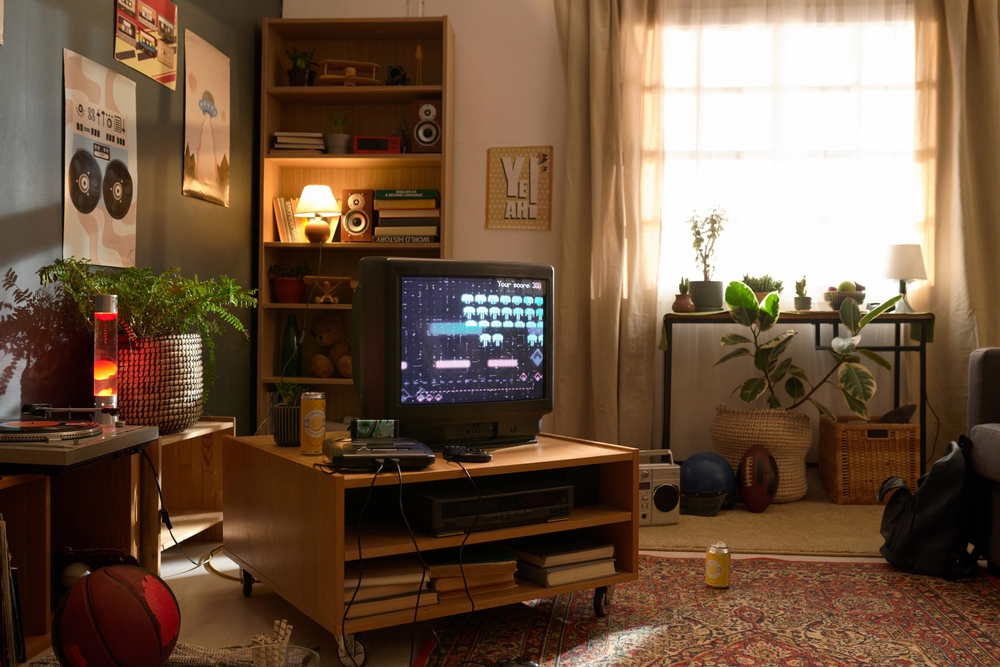
This is easy to change with your mood, it’s self-expression that is free from judgement and non-performative in nature. This is a welcome change from our world where each social media post is quantified and scrutinized. Deep satisfaction can be derived from curating a personalized environment that’s a reflection of your inner life. It can provide some much needed autonomy even if it only exists digitally.
Cozy games can provide us with social interaction with no expectations or stress of real-world performance and interactions. The best games allow players to send gifts, visit the islands of friends, share their favorite screenshots and more. These features are optional, controlled and positive unlike some Discord chats and Instagram stories. This is not a performative interaction, it's not optimized for likes and it would be unlikely to trigger social anxiety. The players can build social bonds and communities while they protect that emotional safety that many younger players want.
The final interesting cozy mechanic is the psychological flow state that occurs when the player is fully immersed in their game and they lose track of time. There’s a comfortable rhythm to planting crops, organizing inventory, fishing, chatting to neighbors and other interactions. This quiet and structured approach to play is predictable, but it can quiet anxieties and intrusive thoughts. Unlike binge-watching and passive scrolling, there is some light attention and involvement. This is almost a meditative experience that can inspire focus, creativity and emotional regulation.
Digital Safe Spaces: The Cultural Turn
A cozy game can be much more than a coping tool, it may be emblematic of a broader cultural shift in how younger generations deal with identity, safety and connection issues. The pandemic may have accelerated this process, but it’s likely that this shift would have taken place at some time.
It may be hard to remember now, but Animal Crossing: New Horizons was a huge hit. It became more than a game for the players; it was a socially sanctioned safe virtual place to process anxiety, boredom and isolation. People would share their personal game journals, in-game events, memes, screenshots of decorated islands and more. This was a compelling blend of emotional labor and playful content that became part coping mechanism and part entertainment. Cozy games offered some relief that social networking and traditional media could not provide. Unlike streaming which tailed off gradually in the post-pandemic era, cozy games are growing in popularity.
Like many aspects of culture, cozy games are amplified by memes; the attention spans of Gen Z and Millennials move fast. These two generations have grown up in a world that’s dripping with viral trends, irony and digital moments. So, the cozy game trend fits perfectly into the ecosystem and digital cottage screenshots can be turned into viral memes.
The social in-game interactions mirror the creativity and playfulness of meme culture and TikTok is replete with virtual decorating tips. When a cozy game is played, it is not only therapeutic on a personal level, but it’s also culturally and socially meaningful. In cozy game communities, there’s a spirit of collaboration over competition. The players celebrate accomplishments, visit each other’s spaces and share game tips. The toxicity that can be encountered in traditional games is not present. With Tiktok duets, Reddit threads and Discord servers players can develop communities that amplify positivity and creativity. This makes these communities a source of genuine connection and comfort.
Self-Expression as Therapy
Cozy games have an impressive capacity for self-expression which can be a useful form of therapy. Each choice, from curating the character appearance to decorating the digital home is an exercise in autonomy, creativity and personal reflection. Controlling a small digital world gives the player a sense of mastery which can be a stabilizing influence. Identity experimentation is present with style choices in a low-risk environment.
Self-expression is tied to psychological well-being which can impart a sense of validation. Sharing creations within online communities can create positive feedback loops that generate affirmation and foster a sense of belonging. This is therapy disguised as virtual gardening, interior design and a friendship simulator. Having the freedom to create, decorate and socialize without judgement can align with broader wellness trends, such as: creativity, mindfulness and intentional living. Small acts in these digital spaces can accumulate into meaningful experiences of agency, control and comfort.
The Broader Mental Health Implications
Research has revealed that cozy games offer more than light entertainment and they have measurable health benefits. The goal-orientated gameplay can reduce anxiety, increase feelings of accomplishment and improve mood regulation. This stems from a combination of creative engagement, social connection and structured activity. This contributes to emotional resilience in a way that doomscrolling never will. A light structured form of escapism that’s predictable, responsive and rewarding can be a useful tool for emotional management.
The Future: Cozy Games as Cultural Mainstay
The popularity of cozy games is unlikely to fade and their growth reflects larger media trends. Social media saturation and hyper-connectivity has created the demand for some deliberate digital breathing spaces. The cozy games fill this niche, combining an aesthetic-driven experience with emotional sustenance and tangible mental health benefits. The indie developers are developing the genre with narrative depth exploration, environmental themes and social elements. The world-building is becoming more intricate and we can expect the new releases to have intellectual stimulation paired with an enriching emotional experience. The wellness industry has intersected with digital media and cozy games are going to follow this trend.

Finding Your Perfect Cozy Game: A Guide for Digital Self-Care
Some cozy games are better than others, so the key to using play as a helpful mental health tool is to choose a game that vibes with you. A scroll through Steam, eShop, Switch or itch.io will reveal a host of potential titles to explore. The ideal cozy game for you should not feel like homework and you need it to act as a comfortable blanket for your mind. Here are five useful tips to help you find the best cozy game to meet your needs.
5. Consider Your Stress Tolerance
Some cozy games are survival or crafting-based like MyTime at Portia and Terraria. These offer low-stakes challenges, but they do require attention and planning. Other games like Cozy Grove or Stardew Valley are more chill and failing a task cannot ruin your day. So, if you have anxiety if a tomato plant fails in-game it’s better to stick with ultra-chill options where nothing dies. This will provide incremental and safe success that’s soothing and not taxing your resilience.
4. Think About the Creative Outlet
If you are obsessed with decorating and color palettes for your virtual home, you will need a game that caters to that need. A solid choice is Animal Crossing because it’s a mood board in a cartridge format. Those that want to explore narrative and emotional depth may prefer Gris or Spiritfarer. These help the player to process feelings about identity and loss in a guided manner.
People that tinker with systems, optimize routines and design farms may enjoy Stardew Valley. In this crafting, farming and social simulation game there are plenty of opportunities for low-stakes engagement. With some experimentation the loop that scratches a creative itch can be uncovered with no strain on your mental bandwidth.
3. Consider Your Social Needs
If you prefer to play solo or you’re looking for a community driven experience, there will be a cozy game to meet those needs. Animal Crossing thrives on sharing screenshots, visiting friends islands and engaging with the global fanbase. On the other hand, games like Garden Paws or Calico are a solitary experience with optional community engagement. These could be the perfect fit if you’re looking for low-key social elements. So, think upfront about whether you want a cozy game that you personal sanctuary or if it’s going to double as a social hub.
2. Check the Aesthetic Alignment
If you’re planning on spending a lot of time in your cozy games, it’s important to have the right visual and audio palette to inspire and soothe you. Some great examples are ambient soundtracks, relaxing chipture, soft pastel colors and fun character design options. These should all come together to contribute to the feelings of calm and mindfulness that you may crave.
Chaotic pixel art and bright neon colors look great, but they add excitement and that’s not what you need in a cozy game. The aesthetic should soothe you and the best games have excellent soundtracks that are great for meditation and studying.
1. Explore the Trial and Error Approach
A cozy game is highly subjective and what works well for one player may not be the best choice for someone else. Luckily, many indie developers have free versions or demos you can take for a test drive before you make a commitment. Choose a few games that interest you and spend a few hours in each of them. Pay attention to how your mood alters during game play and if you feel less tense after playing this is a good sign. If a title makes you feel anxious or stressed, move onto the next cozy game.
To find the right cozy game you must understand your unique needs. The latest cozy game trend on TikTok may look cool, but you should spend some time with a title before you make a decision. The best cozy games offer a virtual space where a person can be creative and feel safe to lower their stress levels. This could be a farm, a forest, a tiny island or something else entirely. This place can live in your pocket and it’s a place you can visit when the weight of the world is too much to handle.
The Other Side of the Couch: Downsides of Cozy Games as Mental Health Tools
Cozy games can be charming places to visit, but they are not a replacement for real world therapy. Like any coping strategy, these games have limits and there may be unexpected consequences. A primary cause of concern is that they may displace real-world responsibilities because they are comfortable, repeatable and low-stress activities.
It is very easy to lose hours decorating a digital home or tending a virtual farm. Meanwhile in the real world the bills have piled up, personal relationships are neglected and deadlines are missed. A cozy game can be therapeutic, but this may encourage procrastination and a fine line can be drawn between living in a virtual world because reality sucks and recharging your brain.
Emotional avoidance can be another issue because in a cozy game the environment is easy to control. This control can act like a crutch, it can delay addressing underlying issues that inhibit personal growth and emotional processing. Even a cozy game with community elements may have idealized and limited interactions. An online community may be warm and inviting, but it may lack the complexity and depth of real world connections. Cozy games can be a powerful mental health tool if they are used mindfully.
Planting Turnips, Planting Self-Care
Although cozy games are no substitute for therapy, social support or medication, they can provide a form of digital self-care. The micro-reward structure, social interaction, emotional safety and self-expression options can cultivate a sense of calm, creativity and community. In an overstimulated and chaotic world this is a valuable way to exercise agency, connect with others and experiment with identity. When you water your virtual crops you are not procrastinating, you are engaging in a psychologically and culturally significant practice. The self-care afforded by cozy games offers a digital and radical sanctuary where you can create, rest and flourish.