It starts with a notification: “Your daily tarot reading is ready” Next thing you know, your feed is flooded with crystal hauls, “Mercury in retrograde” meltdown memes, and WitchTok gurus diagnosing your feelings better than your therapist ever did. It’s chaotic, it’s hilarious, and somehow, it kind of works - like, maybe rose quartz can fix your love life (and at worst, it looks cute on your desk).
Welcome to Gen Z’s witchy renaissance, where tarot decks double as therapy, astrology memes dictate the group chat mood, and herb cleansing bundles (if you're thinking of using sage, do your research and pick an alternative) are basically the new scented candles. If millennials gave us self-care Sunday, Gen Z turned it into a full-blown ritual, complete with moon water tutorials, TikTok “pick a card” readings, and astrology apps that drag you harder than your ex ever did.
Here’s the thing: none of this is exactly new. Crystals have been quietly sparkling away in the back- (or fore-) ground of our lives for centuries... But Gen Z? They’ve taken these practices and rebranded them into a mash-up of wellness, identity, and vibes - equal parts meme, coping mechanism, and aesthetic flex.
So the real question isn’t why crystals, tarot, and rituals are back (spoiler: they never really left). It’s why they resonate so hard with this generation in particular. Are we watching a genuine spiritual revival? A tongue-in-cheek performance for the algorithm? Or some chaotic hybrid where irony and sincerity hold hands under the full moon?
A History Moment
Crystals: Ancient Bling
Crystals didn’t just appear on Etsy; they’ve been vibing with humans for millennia. Cleopatra was out here lining her eyes with malachite and rocking emeralds like they were accessories for soul healing. The ancient Egyptians, Mesopotamians, and even early Chinese dynasties believed that crystals interacted with the natural energy field of the body, supporting protection, love, and clarity. Fast-forward a few thousand years, and crystals made a cameo in the 1970s New Age boom, where everyone suddenly had amethyst geodes on their coffee tables and “healing” quartz bracelets.
Tarot: From Scandal to Aesthetic
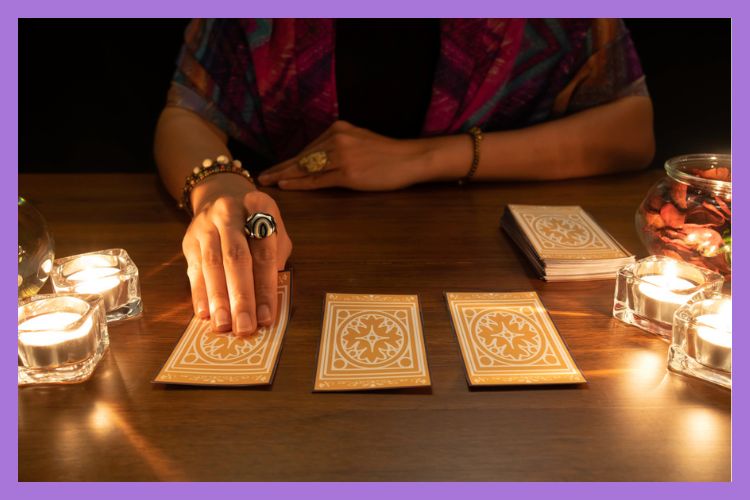
Once, tarot cards were scandalous. Fortune-telling was basically witchcraft and punishable by, you know, social ostracization (and sometimes worse). By the 18th century, French mystics and Victorian occultists were giving tarot a glow-up, turning it into an art-meets-spirituality thing. Fast-forward to today, and it’s no longer a tool of fear, it’s an aesthetic, a journaling prompt, and, on TikTok, a meme machine. Pick-a-card videos? Viral. Weirdly specific readings? Also viral. Tarot went from “taboo” to TikTok-ready, proving old-school mysticism can thrive in a scrollable world.
Astrology: From Star Charts to Group Chats
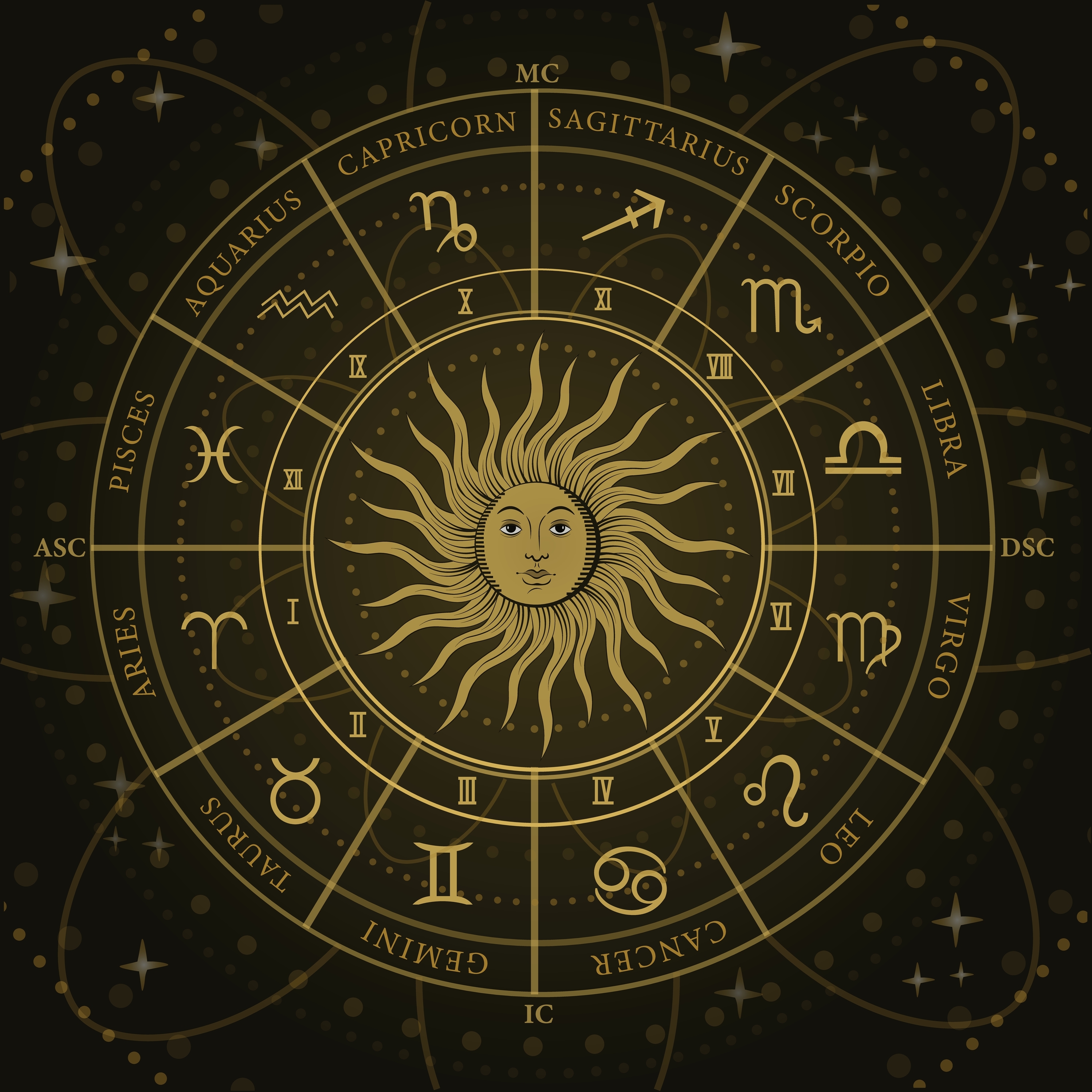
Astrology is like that friend who’s always been around but suddenly got cool in high school. Babylonian priests charted the heavens for agricultural planning, medieval scholars whispered about planetary influence, and Tumblr teens spent the 2010s obsessively tagging their “rising sign” in every post. Gen Z picked up the baton, turned star charts into memes, and made the zodiac a language for everything - from flirting to venting about capitalism. Now, your horoscope isn’t just advice; it’s a mood, a community, and sometimes, a roast.
So none of these things are new. From crystals to tarot and astrology, humans have always been trying to make sense of chaos. What changes is the cultural remix. Gen Z didn’t invent the witchy stuff, they memed it, aestheticized it, and gave it new emotional currency. The past is now content, and content is now ritual. And suddenly, a crystal isn’t just a stone – it’s a whole vibe.
The Gen Z Spin
Community-Building in a Chaotic World
For Gen Z, alternative spirituality isn’t just about the ritual, it’s about who you do it with, or at least who you share it with online. WitchTok, astrology Discord servers, crystal haul videos - these are spaces where people connect over more than just entertainment. A “pick-a-card” tarot reading isn’t just content, it’s a conversation starter, a way of saying “hey, I feel this too.” In a generation often described as lonely but hyper-connected, alt practices create community - even if that community exists primarily through Wi-Fi signals.
Crystals: Aesthetic Meets Intention
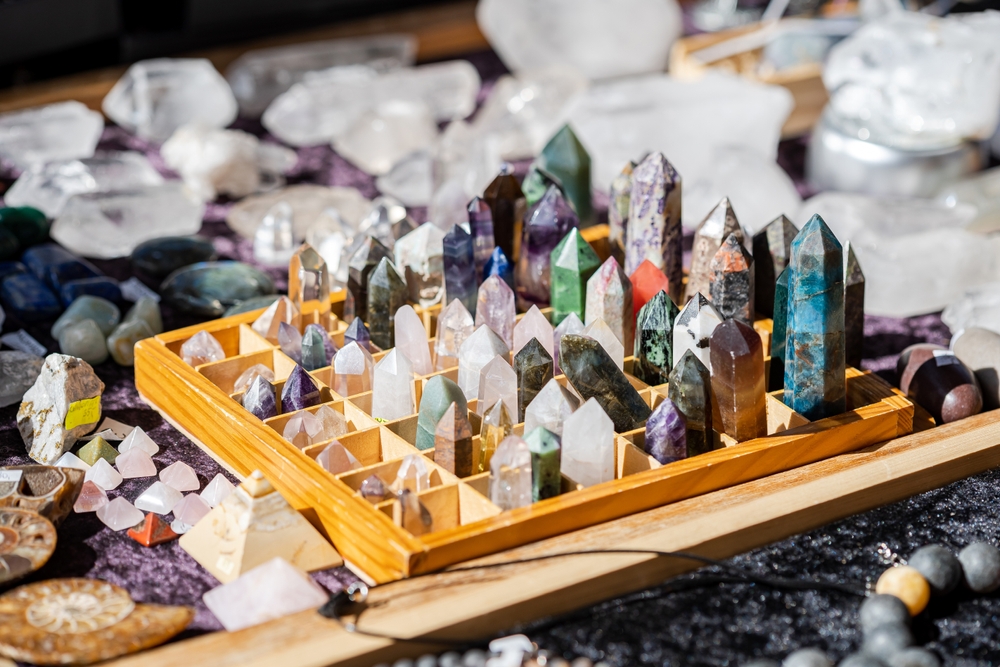
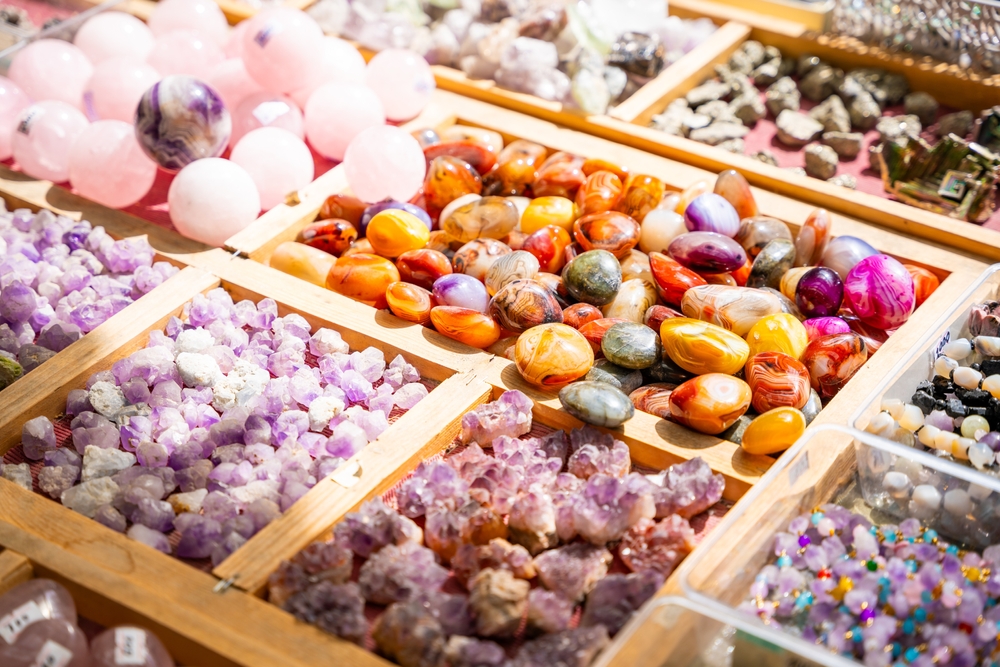
It’s hard to deny that crystals are Instagram gold. They look good on nightstands, desks, altar shelves - anywhere you might stage a flatlay. But the appeal goes deeper than “pretty rock.” Crystals give physical shape to intentions: rose quartz for love, obsidian for protection, amethyst for calm. Whether or not you believe they actually do anything, the act of assigning meaning matters. It’s ritual made tangible, a way to externalize what’s going on internally, and yes, they sparkle on camera too.
Tarot as Self-Reflection, Not Fortune-Telling
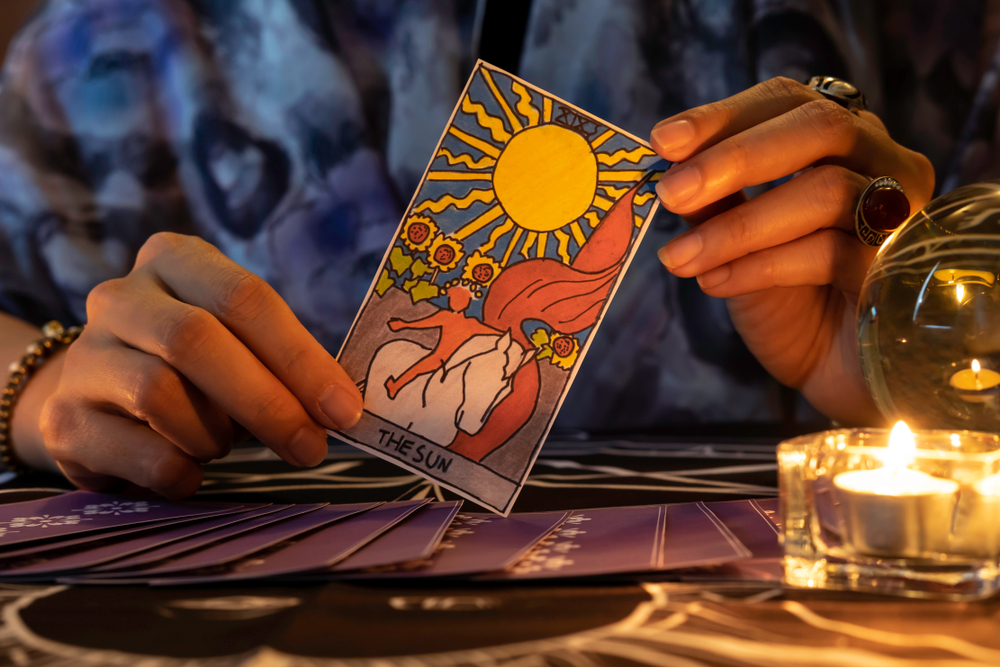
Tarot, for Gen Z, isn’t about predicting when you’ll meet your soulmate or whether you’ll pass your finals. It’s more like a structured mirror: the cards provide language and imagery for self-reflection. Pulling the “Death” card doesn’t mean doom, it might mean a needed change, a reset, a vibe shift. The process feels creative and therapeutic, especially for a generation fluent in symbolism and metaphor. It’s not that tarot tells you the answer; it helps you articulate what you already know.
Astrology as Lingua Franca
Astrology has become the shared language of Gen Z’s social life. Group chats run on jokes about Mercury retrograde, dating apps practically require you to list your sign, and memes about “big three” placements are a way of saying, this is who I am, this is how I relate. It’s not about rigid belief, it’s about having a common framework to joke, flirt, and commiserate. Astrology isn’t destiny; it’s dialogue.
The Gen Z Twist
What’s new here isn’t the practices themselves - it’s the remix. Gen Z takes old spiritual tools and turns them into flexible, identity-driven rituals. A crystal can be décor and meaning. Tarot can be a meme and therapy-lite. Astrology can be a joke and a genuine guidepost. For Gen Z, sincerity and play aren’t opposites, they’re collaborators.
Why It Resonates
At the end of the day, it’s not just about nostalgia or trends. Crystals, tarot, and alt rituals resonate because they give a sense of control, identity, and community in a world that often feels uncontrollable and lonely. They’re a coping mechanism, a performance, a vibe, and somehow, a little magic.
Identity & Aesthetics
For Gen Z, alt spirituality isn’t just belief, it’s a look, a language, and sometimes a whole personal brand. The rituals themselves may be centuries old, but when filtered through neon lighting and TikTok editing software, they transform into a kind of aesthetic shorthand.
Crystals and Tarot as Personality Props
For Gen Z, a crystal isn’t just “a rock with vibes.” It’s a prop in the ongoing theater of identity. Rose quartz on the nightstand says I believe in love, but also in curating my shelfie. Amethyst by your bed? That’s “anxious but healing” energy. Tarot used to be whispered about in back rooms with velvet curtains; now it’s spread out on TikTok with lo-fi beats Even if you don’t fully buy into the metaphysical claims, the aesthetic alone broadcasts a whole mood - soft, witchy, in touch with the cosmos.
And then there’s the witchy look - eyeliner sharp enough to hex someone, candles that smell like “mystical forests,” and apartment corners draped in vines, moons, and twinkle lights. It’s not cosplay, exactly, but it is a kind of performative spirituality where visual cues do the heavy lifting. You don’t have to say “I’m into astrology” if your outfit, bookshelf, and feed already scream it for you.
Religious Identity in a Post-Religion World
Here’s the bigger backdrop: organized religion is declining, especially among younger people. Fewer Gen Zers are showing up in pews on Sunday - but that doesn’t mean the craving for connection, ritual, spiritual identity and meaning disappeared. Astrology and alternative practices step in as DIY spirituality: no priest, no doctrine, just vibes and community. Instead of sermons, you’ve got Co–Star notifications. Instead of scripture, you’ve got TikTok tarot. It’s religion deconstructed, rebranded, and made scrollable, but the need it meets is timeless.
Sincere-Ironic Soup
Here’s where it gets deliciously confusing: Gen Z thrives on the blurred line between sincerity and performance. You can half-believe your tarot reading, laugh at yourself for it, post about it, and still feel comforted by it, all at once. It’s the “I don’t really believe in this… but also, I totally do” paradox. The aesthetic is the gateway, the ritual is the anchor, and together they form a flexible, non-dogmatic spirituality that feels right for a generation allergic to absolutes.
Capitalism & Commodification
When Urban Outfitters Sells You a Spell
It was probably inevitable: once Gen Z turned rituals into a vibe, capitalism swooped in with its credit card machine. Crystals, tarot decks, herb cleansing bundles - what used to feel underground or niche are now lined up on Urban Outfitters shelves, styled next to graphic tees and scented candles. Sephora even tried to sell a “witch kit” a few years back (cue immediate backlash and accusations of cultural appropriation). The irony? The more “authentic” a practice feels, the faster brands want to package it up in pastel wrapping and sell it back.
Etsy Witches and TikTok Readers
But it’s not all faceless corporations cashing in. Etsy has become a sprawling marketplace for independent sellers peddling crystals, spell jars, and custom tarot decks. TikTok, meanwhile, is overflowing with creators offering paid readings or astrology charts via DM. For some, it’s side hustle energy; for others, it’s full-time livelihood. The commercialization of spirituality isn’t new (remember $70 yoga mats?), but Gen Z’s spin is hyper-online and deeply personal.
Capitalism Has Entered the Chat
Here’s the paradox: Gen Z prides itself on resisting inauthentic branding, yet alt spirituality has undeniably become a market category. Spirituality has hashtags, product lines, and influencer tiers. A rose quartz isn’t just a crystal; it’s a $20 add-to-cart moment. And while some criticize the consumerism, others argue that buying a tarot deck or crystal is simply part of ritualizing, putting skin (and cash) in the game.
Meme or Market?
The line between sacred and commodified is blurry. A crystal grid on Instagram is both a spiritual practice and visual content. An online tarot reading is both community-building and gig economy hustle. Does monetization dilute the meaning? Maybe. But Gen Z doesn’t see it as either/or - they’ll buy the crystal, roll their eyes at capitalism, then post about it anyway. In the end, spirituality isn’t escaping the marketplace; it’s thriving in it.
Coping With Chaos
Growing Up in Crisis Mode
Gen Z didn’t exactly inherit a calm world. They came of age through climate anxiety, political upheaval, mass shootings on the news cycle, and then, cherry on top, a global pandemic during their formative years. It’s no wonder the vibe is “world on fire.” Against that backdrop, rituals like charging crystals under the moon or doing a three-card spread don’t feel frivolous; they feel like micro-resets, tiny ways to carve out stability when everything else feels wobbly.
Control in Small Doses
The magic of crystals or tarot isn’t necessarily in their “powers” - it’s in what they represent. Holding a stone, pulling a card, lighting a candle: these are rituals of control. You can’t fix inflation, you can’t stop a virus, but you can set your intentions with an amethyst on your nightstand. It’s a form of agency, however symbolic. And honestly? The placebo effect is still an effect.
Therapy, But With Vibes
For a generation that talks openly about mental health but often struggles to access affordable care, rituals are also therapy-adjacent. Tarot can function like guided journaling. Astrology gives people frameworks to articulate moods, flaws, and hopes. Crystal rituals create mindfulness moments without the clinical edge of “treatment.” It’s wellness that feels accessible, creative, and self-directed, with a side of glitter.
Humor as a Coping Mechanism
And because Gen Z rarely does anything without a wink, the memes matter too. Joking about Mercury retrograde frying your brain or blaming a Saturn return for your situationship collapse is part humor, part genuine coping. The joke lightens the load, but the shared belief creates solidarity. In that sense, memes aren’t trivial, they’re communal rituals dressed up as jokes.
Why It Works
Ultimately, crystals, tarot, and astrology give Gen Z the trifecta: comfort, community, and control. They don’t promise to fix the world, but they make surviving it a little more bearable. When reality feels overwhelming, even a symbolic reset can feel like oxygen. Or, to put it in meme terms: no, a crystal won’t pay your rent - but maybe it helps you breathe while you figure out how.
Critiques & Cultural Questions
The Skeptic’s Side-Eye
For every Gen Zer swearing by rose quartz, there’s another rolling their eyes. Critics point out the obvious: no amount of amethyst will fix your Wi-Fi, and Mercury isn’t actually plotting against your Google calendar. Skeptics argue that astrology apps and crystal shops profit from pseudoscience dressed as self-care, encouraging magical thinking instead of practical solutions. It’s wellness with a wink, but for some, the wink doesn’t make it less dubious.
The Placebo Debate
Then again, even skeptics admit: if it feels like it works, maybe it does. Science has long documented the power of ritual and belief in reducing stress. Placebo isn’t “fake” - it’s a mind-body connection doing its thing. If pulling a tarot card helps someone process their emotions, is that really so different from journaling or meditation? The line between pseudoscience and self-soothing gets fuzzy, and maybe that’s the point.
Cultural Appropriation and Commodification
There’s also a bigger ethical conversation. Many of the practices now hashtagged as #WitchTok or sold at Urban Outfitters trace back to Indigenous, African, and Eastern traditions. When crystals become Etsy baubles or smudging becomes an “aesthetic,” it raises questions of appropriation and erasure. For Gen Z (a generation hyper-aware of cultural politics) this tension doesn’t go unnoticed. Some lean into the trend with zero hesitation, while others interrogate whether their moon rituals are honoring or exploiting the roots.
Between Sincerity and Satire
Part of the messiness comes from the way Gen Z mixes irony with belief. You’ll see someone post a TikTok mocking astrology one day and then a serious birth chart deep-dive the next. It’s not hypocrisy so much as flexibility, belief as a mood board. Spirituality here is modular: you can be skeptical, aesthetic-driven, and sincere all at once.
The Bigger Question
At its core, this critique-heavy section circles back to a bigger question: does it matter if it’s “real”? For Gen Z, usefulness often trumps truth. If a practice provides comfort, community, or creative expression, that’s enough. Whether Mercury is meddling in your group chat might be irrelevant, what matters is how the story helps you make sense of the chaos.
The Future of Alt Spirituality
Alt spirituality isn’t fading with the trend cycle, it’s mutating with it. As AI astrology apps spit out hyper-personalized readings and crystals get marketed alongside wellness tech, the line between ancient ritual and modern innovation keeps blurring. We’re moving from “my birth chart says I’m chaotic” to algorithm-powered destiny calculators.
And because Gen Z thrives on remix culture, spirituality will likely stay flexible - a playlist of practices rather than a strict doctrine. One week it’s full moon journaling, the next it’s joking about “charging your crystals via iPhone flashlight.” The sincerity/irony mashup isn’t a bug; it’s the feature. Expect alt spirituality to keep shapeshifting, adapting to new platforms, aesthetics, and cultural conversations just as fast as the next viral trend.
Crystals and Tarot as Symbols of a Deeper Search
So why is Gen Z obsessed with crystals, tarot, and alternative rituals? Because these practices aren’t just about belief, they’re about identity, creativity, and community in a world that often feels unmoored. They’re tools for self-reflection, props for the feed, and sometimes, genuine sources of comfort.
Whether you see them as serious spirituality or as mood-board magic, they capture something uniquely Gen Z: the ability to mix depth with memes, ritual with irony, sincerity with satire. In other words, the “witchy vibe” isn’t a phase, it’s a language, a coping mechanism, and a cultural shorthand for navigating chaos. And honestly? In an era of climate anxiety, political burnout, and endless algorithmic noise, who wouldn’t want a little extra moonlight in their pocket.