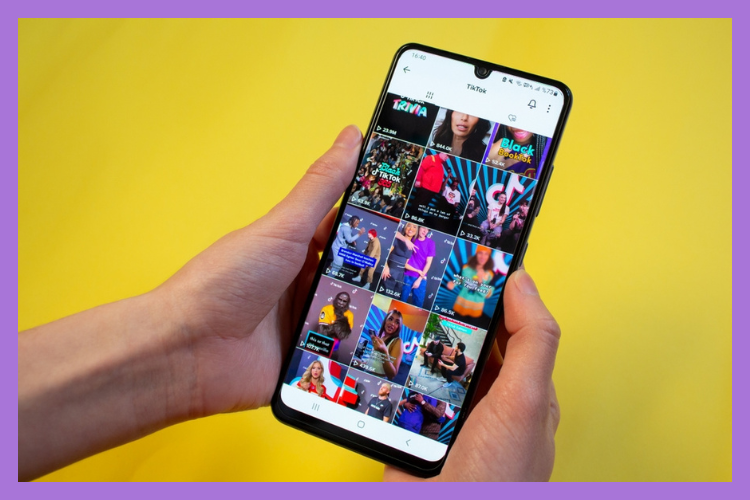
It’s now common to scroll TikTok and somehow absorb an entire emotional arc of a TV show in tiny edited and curated chunks. People can now understand the plot of a show without watching an entire season. The thumb reflexes work in concert with the TikTok algorithm to deliver the feed.
TV viewing is no longer restricted to a screen in the living room, it’s scattered, memed, remixed and digested in 15-second clips. How and why we watch media has changed, each TV show no longer exists in isolation and they are typically accompanied by a chaotic web of memes, duets and clips.
From Radio to TikTok: The Evolution of Media Trends and Technology
A general overview of media history reveals a type of relay race where every new platform grabs the baton from the previous runner and sprints forward into the future. The runner that passed that baton is typically left behind, they are breathless and spent. Consider the early 20th century, the advent of radio was a revelation, families would gather around these new media hubs to absorb news and entertainment. Although live theater and vaudeville shows were still popular, they were losing power. The radio had brought commentary, stories and music into the home and this convenience was impossible to match. Live shows were not dead, they are still around to this day, but they were no longer the default mode of entertainment.

The next new kid on the block was television, this technology came with moving pictures, sound and later color into a single appliance. Again, radio didn’t disappear overnight and it’s still a popular option now and it’s not likely to disappear anytime soon. But; TV did bring news shows, niche programming, talk shows, stories and movies into homes. The TV became the star of the living room, people were not listening to stories, they could watch them! A host of TV networks were formed to produce content and prime-time TV was at the core of family entertainment. Radio was still popular, but cultural dominance had been ceded to television.
The next major innovations were the arrival of the internet and streaming. From that point, the viewer was no longer restricted to strict programming schedules. Many DVRs would allow the viewer to skip an annoying commercial and YouTube arose as a dominant force in the on-demand content space. Streaming companies like Netflix did an end run around prime time view culture and binging a TV show was no longer dependent on purchasing a video or DVD boxset. Media was no longer confined, it was on-demand, mobile and rapidly outpacing traditional TV, radio and Blueray/DVDs. Again, these modes of consuming entertainment didn’t disappear, they simply lost cultural relevance or made changes to adapt to the new paradigm.
At this time TikTok entered the scene, as TV replaced radio, now TikTok is to a certain extent replacing or perhaps a better way to put it is, reshaping TV output. All TV shows are not competing for attention for prime time viewing spots. They are in direct competition with algorithmically optimized 15-second clips that can condense entire seasons into dopamine inducing hits. Just like when radio was still around after the arrival of TV, this doesn’t mean that long-form content is obsolete or going extinct. Audience engagement has been altered by memes, micro-fandoms, duets and snippets. These have become the new default when it comes to engagement with news, stories, reviews and other forms of content.
With the arrival of each new platform, the previous forms of media are not destroyed, but the rules of the game change. This is a clearly established pattern, the incoming medium is more portable, faster, responsive and better attuned to modern audience habits. People don’t completely abandon older content formats, they simply engage with them in a different manner. Radio shows evolved into podcasts, TV broadcasts became streaming services and TikTok is digesting long-form narratives into scrollable bite-sized chunks. The history of media demonstrates that each new medium is a cultural accelerant and it shifts when, how and why we enjoy our stories.
From Prime Time to Scroll Time: How Formats Collide
The Attention Economy Meets the TV Screen
TikTok was not the originator of short attention spans, but it did perfect them and it’s engineered to trigger dopamine circuits and near-consistent intervals. With each scroll, like, pause and comment, the user is informing the algorithm about what they want. This takes place even if the user doesn’t realize it and the ecosystem directs attention in mere moments. A 15- or 60-second burst of satisfying content may only contain story fragments and this can result in a lack of context. That said, the connection of memes, replies, comments and other contextual addendums can fill in key gaps.
This has introduced profound implications for TV shows that are no longer competing for traditional streaming metrics and Nielsen ratings. They are now in direct competition with the TikTok feed where each swipe is a choice between numerous entertainment sources. There are clips that are hilarious, quotable, emotionally charged, visually striking and more. Long-form narrative pacing has to compete with the velocity of a thumb movement and this is a significant challenge. Now writers and editors have to develop strategies to induce virality, such as: Can a line in the show be used for a TikTok clip?, Will fans duet this?, Can we remix this scene?, and more. The entertainment industry is now seeking the algorithmic attention and the new audience wants instant gratification.
The emergence of clip-driven binging as the latest content viewing paradigm has been significant. The days when binge-watching a TV show involved sitting on a couch with snacks and the phone turned off are gone. Now we have memes, fan edits, TikTok recaps and other avenues for fans of the show to experience an entire season in a few minutes. A dramatic reveal, unrequited love or dramatic confrontation can be trending online before most of us have watched the episode. The emotional impact will be accelerated, compressed and optimized for virality. This shift impacts how we consume the content and it reshapes our expectations. For many younger viewers, a 45-minute TV episode can feel like a lifetime when compared to a few TikToks. But, there is an upside, these TikToks will drive some viewers to the full shows. The easy way to think about this is that the TikToks are acting like mini trailers that arouse the curiosity of potential viewers.
Research has shown that repeated exposure to brief stimulating content will change how a person processes narratives and rewire their attention spans. This new content consumption pattern is linked to a fascinating psychological effect. A regular TikTok viewer can experience intense engagement with content in seconds and yet they may struggle to pay attention for a longer period. Yet, this content does encourage curiosity, the snippets are an invitation to delve deeper into the TV show. In some ways, TV watching has become a push-pull interaction, attention from TikToks can be paired with obsessive watching. We don’t experience TV in a linear fashion anymore, it’s modular, social and emotionally driven content.
Understanding the New Fandom Ecosystem
TikTok has revolutionized fandom, the conventions, forums and other avenues of fan-related discourse remain, but there are micro-communities that are entirely based online. These are dynamic spaces, the fans theorize, remix content, create memes and fan edits to promote their favorite shows. The passive consumption era has ended, in a very real sense the fans have become co-creators.
In these micro-fandom spaces, there is intense engagement around plot points, soundbites, themes and characters. The reaction clips, memes and duets amplify engagement and ultimately drive up the viewership. A dedicated younger fan is engaged in a participatory experience where creative contribution is the metric. Even a single 15-second clip can be a source of inspiration for multiple theories, plotline speculation and psychological character analysis.
The online TikTok fanbase will act as unpaid marketers for the TV shows they love. Trending hashtags, popular edits, viral clips and other content can introduce new viewers to the shows. The primary driver of a TV show’s success is fan engagement; it functions as marketing and cultural amplification. This can create a symbiosis between the creators of the show and their audience. But ultimately the fanbase will determine what thrives and trends and if the show fades into obscurity.
TV Shows Tailored for TikTok Engagement
The influence of TikTok is not limited to consumption, it’s part of the production process and content is now crafted to generate “TikTok moments”. This is especially true if the show has humorously quotable, visually compelling and emotionally rich scenes. Now, directors, editors and writers plan their content to find scenes that can stand alone as a short 15- or 60-second clip that still fits into the narrative.
Some scenes are now written to be easily clipped in a modular manner to avoid losing context. These can often be seen in media as dramatic pauses, visual motifs, character reactions and more. They are easy to extract, remix, share and they create fresh layers of engagement for the show. This is a pivot to a dual-purpose storytelling technique that narrows the gap between short-form virality and long-form narrative structure. This creates a feedback look that keeps the TV show relevant on social media and on-screen.
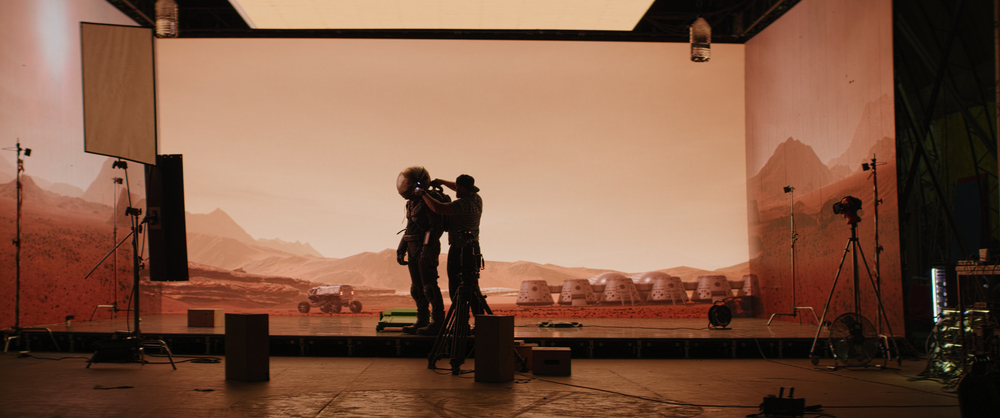
As a platform that’s centered on visually striking content, it should come as no surprise that visual aesthetics are now a focal point for TV shows in the TikTok era. Great attention is placed on costumes, set design, cinematography, lighting, locations and more. These are now optimized to meet mobile-first consumption expectations. So, a scene in the show may be designed with shareability in mind with background that meshes with an aesthetic trend. A character may have an outfit that’s memeable or a soundbite or dramatic reaction may work for duets. Each frame is designed to function as potential content for the TikTok ecosystem and within the narrative of the show.
The influence of short-form storytelling on the pacing and dialogue of TV shows can now be seen. The plot arcs tend to be faster, scenes are tighter, the emotional beats are raised to create a faster way to resonate with the content. This doesn’t replace traditional long-form structures, but it does alter and complement it. A TV show can now operate on two different temporal scales at the same time. This requires some creative thinking from the creator and the showrunner is no longer just a storyteller. They need to create moments that exist along in the social media landscape for audience participation, meme viability and remix potential.
The Pros and Cons of TikTokification
The TikTok phenomena comes with certain benefits and challenges for the TV show creators.
The positives are: audience empowerment through participation, faster show discovery and prominence for niche voices. When the micro-fandom thrives there are important cultural conversations that are immediate, dynamic and layered. In a very real sense, the fans become co-creators, they are not passive, they can be critics and marketers at the same time.
The negatives include: shorter attention spans, the degradation of narrative complexity to meet the needs of virality and limitation to algorithmic echo chambers. A clip that goes viral can draw in new viewers, but it can overshadow and nuanced arcs in the show. The drive for instant engagement can place pressure on the creator to make surface-level impact their priority of thematic depth.
TikTok-driven engagement creates a paradox, the TV show becomes more accessible, participatory and interactive. But, those traditional immersive and slow-burning storytelling techniques are harder to implement. However, it is this tension that defines the chaotic nature of TikTok-era media, participatory and evolving constantly. There’s a lack of control, the creators and the audiences are negotiating their attention, engagement and interpretation of the content. Overall this seems to be a positive move to integrate long-form storytelling into a modern participatory ecosystem.
Peeking into the Future: What Comes After TikTok TV?
As we can see, media is constantly evolving and these changes seem to become more rapid to keep pace with technological advances. When we think we understand something a new format arises and the game changes again. It’s clear that TikTok has rewritten how we view and interact with TV shows, but what comes next?
One emerging trend seems to be a pivot to even shorter immersive content to feed the need for instant gratification. This may include formats that can compress an entire season of TV into a brief experience that preserves the emotional impact. This may include augmented reality (AR) overlays to give the viewer the opportunity to enter the scene! Another option may be AI-generated clips based on the original content that creates tailored narratives to meet the viewing habits of the viewer. This hyper-personalized experience will make each view a unique experience and alternative plot lines can be explored. This further blurs the line between the creator of the show and their audience.
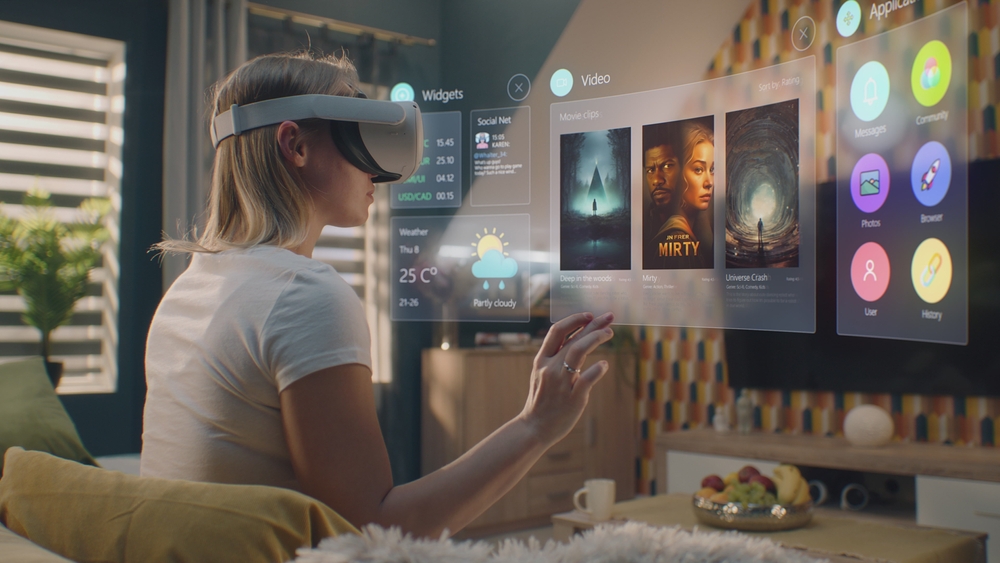
Another emergent direction may be deeply integrated social viewing experiences. TikTok fan communities already use clips to shape their engagement with the content in real time. A further evolution of this trend may be interactive synchronous shows where the audience can comment, vote and remix content in real time. The resulting narrative would be a co-created narrative like a live-streaming event where audience choices influence the outcome of the plot.
We may see blurring between varying formats, such as: short-form clips, podcasts, interactive games, VR experiences and long-form episodes. Together these could form a unified ecosystem that the fans can explore and the storyline may play out across multiple mediums at the same time. In this paradigm, TikTok or the inheritor of its mantle may be a hub for teasers. With AR and VR the viewer could immerse themselves in the world and upcoming generations may be unable to distinguish between TV, gaming and social media. In a very real sense these formats will be considered to be a single entertainment landscape. TikTok has shown that fans enjoy fandom-driven content and creators will need to design their output with engagement baked in from the start.
The Future of TV Is TikTok-Shaped
TikTok has not eliminated TV, it has forced it to evolve and a show can now operate on more than one temporal scale. The fandom remains, but it’s now made up of micro-communities that are participatory. Although attention spans may be shorter, the engagement is still deep, but fragmented. This can be hard to quantify but, access to micro-moments can still drive new viewers to a show in search of long-form satisfying narratives. It’s likely that the next media trend will continue this evolution and the lines between the creators, critics and audience will become even more blurred. TV can now be viewed as a cultural modular experiment that can be edited, remixed and shared. When you next scroll past a viral TikTok clip remember, you are not consuming TV, you’re experiencing a revolutionary cultural ecosystem, which is pretty cool.