If you’re old enough, you may remember a time when Netflix was basically the only streaming service. Today, the streaming landscape is almost endless, with every major studio, tech giants and even cable companies all battling to be the next Netflix. Although these giants threw their massive budgets into the fight to try and corner the market, in the background small niche platforms have been quietly carving out their own territory.
Crunchyroll has emerged as the anime hub, Nebula has positioned itself as an indie creator home and Shudder has built a dedicated haven for horror lovers. These platforms are not only surviving, but thriving. There is a clear difference in that while the giants are chasing every demographic, niche platforms have embraced speciality. They have created micro universes where viewers feel a sense of belonging.
So, it is more than the classic David vs Goliath, it is more like David has created an authentic experience that is far less overwhelming than the thousands of offerings competing for attention on the Goliath platforms. The rise of these niche platforms has signaled a shift in how fandoms operate, how content is consumed and how to earn loyalty.
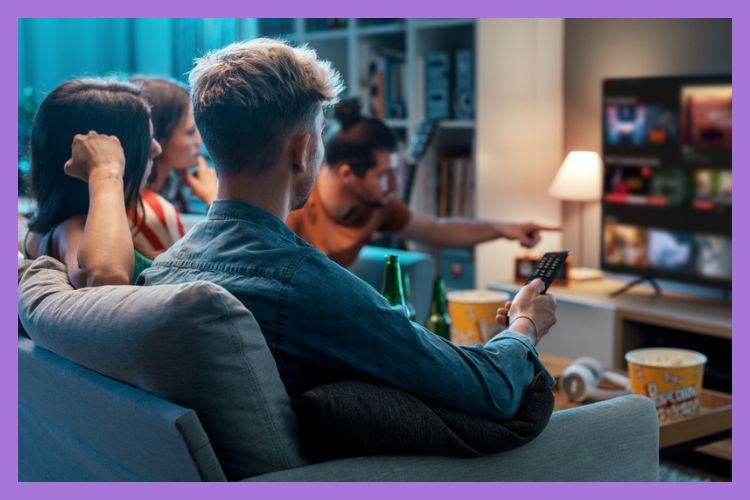
Mainstream vs. Niche: Shifting Strategies in the Streaming Wars
A Snapshot History of Streaming
You may not be aware that streaming did not begin with Netflix dominating screens in practically every home. The story actually starts in the early 2000s when you had to be incredibly patient waiting for video to buffer and the concept of “streaming” felt like sci-fi.
YouTube had only been around since 2005 and the early Netflix DVD by mail had pioneered new ways to consume content. By 2007, Netflix had started to slowly pivot from sending DVDs in the mail to letting you binge shows directly in your home.
The 2010s became the era of streaming experimentation. On the back of Netflix’s successes, Hulu launched its platform for TV reruns, before evolving into originals, Amazon Prime Video joined the competition and Netflix started to produce original content. Each platform attempted to entice viewers with exclusive shows and content, but there was a sense of chasing everyone everywhere with global reach, massive libraries and huge budgets. The thinking behind this was simple, they simply wanted to grab as many eyeballs as possible, assuming loyalty would follow.
However, even during this era, the smaller players were quietly finding their success. Crunchyroll was founded in 2006 and quickly became the go-to for anime fans desperate for official releases. In 2015, Shudder launched catering to horror enthusiasts with a collection of cult classics, indie thrillers and slashers.
These platforms understood something that the big players didn’t; you didn’t have to have mass appeal as you can capture the hearts of a passionate few. With a focus on a specific community, catering to its interest, the niche platforms created loyalty that the giant platforms would typically struggle to generate.
In the last few years, this trend has accelerated. Platforms like OVID.tv and Nebula have emerged, leveraging both the desire for independent content and the creator economy. Nebula was built by YouTube creators and offers a creator first platform, allowing fans to support indie and educational video makers directly. Meanwhile, OVID.tv curates documentaries, indie productions and rare international films, targeting the cinephile who is weary of Hollywood blockbusters.
Even the major platforms have attempted to niche-ify to try to retain audiences. Paramount+ emphasizes Star Trek and Disney+ leaning heavily into Star Wars and Marvel. Peacock has even integrated WWE Network to try to lock in the wrestling fans.
So, the evolution of streaming has been fragmented. What started out with just a handful of early adopters experimenting with new tech has grown into a multi layered, sprawling eco-system. The streaming landscape today isn’t simply about scale, it’s about community, identity and passion.
The niche platforms are no longer a hidden sideshow, they are a crucial part of the media ecosystem, offering viewers content that resonates and creating the space where the fandoms can thrive. So, streaming has matured from a basic “watch what you want” into a vibrant network of specialists, each with its own culture and audience.
The Era of Scroll Fatigue
The big streaming platforms take pride in their massive libraries. Netflix’s model is basically to throw everything at the wall and see what sticks. A cooking program here, a drama there, a reality dating show and a documentary, and suddenly something goes viral. Disney+ leans heavily into franchise IP and nostalgia, offering Star Wars, Marvel, Pixar and National Geographic under one roof.
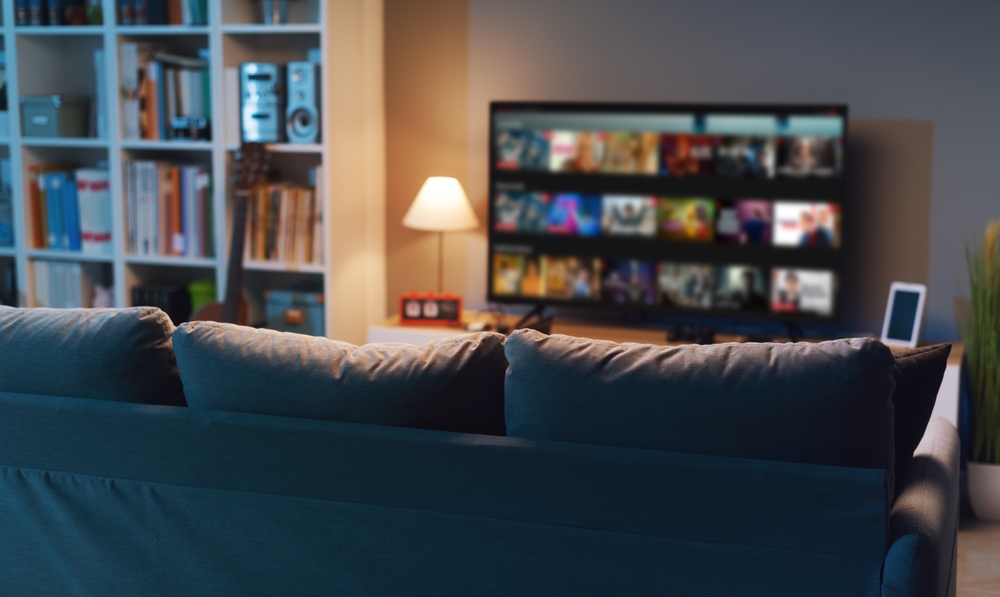
The promise of seemingly endless choice is seductive, but there is a catch, infinite content does not translate into infinite satisfaction. Younger viewers in particular, who grew up with social media, appreciate the paradox of choice. When you open up Netflix, Disney+ or any of the giant platforms, you’ll be confronted with hundreds of titles that you can watch. You’re likely to find yourself scrolling, pausing or even closing the app opting to scroll TikTok with micro-doses of entertainment that feel more tailored and manageable. This phenomenon is what media scholars have named as infinite scroll fatigue, recognizing that too many options can lead to paralysis rather than pleasure.
This is where niche platforms can shine. With a narrowed focus, they transform what could be overwhelming into curated. Crunchyroll doesn’t strive to be everything, it’s anime. From mainstream hits like My Hero Academia to obscure 1990s OVAs. Shudder is unapologetically horror focused, offering collections, watch parties and all things horror.
The curation of content reduces decision fatigue. The viewer can enter a space that has been designed for them. Essentially, it is mirroring the TikTok model, offering a feed or library of things of interest, rather than an infinite chaotic content buffet. The content feels intentionally crafted for your interests and tastes. So, niche platforms offer intentionality in a space where choice can feel overwhelming and it is this intentionality that has created a competitive advantage.
The New Currency of Fandom
Streaming isn’t only about watching anymore, it’s about belonging. The internet didn’t just create viewers, it created superfans. For example, anime fans don’t just watch the series, they debate character arcs on Discord, cosplay, create fan art and produce TikToks analyzing the animation. Crunchyroll appreciates this and they host events at conventions like Anime Expo and have even co-produced original series to maintain engagement. This turns potentially casual viewers into invested participants.
Horror fans have a similar devotion, so Shudder doesn’t just host films, it curates experiences. From themed collections to hosting interactive watch parties, the platform has transformed solitary viewing into a shared ritual. The horror community thrives on theorizing, discussion and shared frights, all of which is nurtured by Shudder with its intuitive audience understanding. Meanwhile Nebula has tapped into the creator economy, allowing YouTube independent creators and filmmakers to build direct relationships with fans bypassing the algorithmic gatekeepers for deeper engagement.
The key takeaway is that the niche platforms don’t need to have mass appeal, they only need to appeal to the right audience. The fans are incredibly sticky and subscribing is more than just accessing content, it is about being part of a community that shares passions and tastes. So, in a fragmented media landscape, fandom has certainly become a form of currency and niche platforms cultivate it effectively to sustain their competitive advantage.
The Anti Netflix Identity
Ironically, Netflix’s brand identity has become almost unrecognizable. What was once the trailblazing, edgy platform is now a sprawling, shapeless content library. Reality TV, prestige dramas, stand up specials and kids programming are side by side under one umbrella, with very little sense of cohesion. Essentially, it is a one size fits all strategy that ultimately struggles to completely satisfy anyone.
By contrast, niche platforms embrace identity clarity. The niche channels proudly proclaim their speciality appealing to fans who are tired of algorithmically generated content.
For younger generations, in particular, brand identity has become inseparable from self expression. Choosing a platform communicates not only the type of content you like to consume, but who you are. By subscribing to Criterion, you’re announcing “I’m a cinephile” Crunchyroll showcases your dedication to anime. Identity isn’t a side effect, it is the product itself.
Even the mainstream platforms are attempting to mimic this focus. Disney+ is aiming to retain dedicated fans by leaning heavily into the Marvel and Star Wars franchise, Paramount+ has doubled down on Star Trek spinoffs. These examples underscore a critical point, general audiences are fickle, but fandoms stick.

The Economics of Specificity
The streaming economics are also changing. The mega platforms like Netflix spend billions each year to maintain their global relevance, chasing the mass audience with costly original productions and massive licensing deals. The big platforms face enormous pressure to produce content with appeal for every demographic, which may dilute identity and discourage brand loyalty.
The niche platforms are able to thrive precisely because they are not trying to appeal to everyone. Crunchyroll isn’t trying to convert Marvel superfans, Shudder isn’t targeting reality TV fans. With a focus on specific, passionate communities, the niche platforms can lower costs while they maximize engagement.
Moreover, the niche subscribers are often willing to pay a premium for additional perks. Shudder fans subscribe to premium tiers for early access, attend watch parties and purchase merch. Crunchyroll subscribers often buy limited edition releases, early access premium subscriptions and physical merchandise.
These small but loyal audiences are incredibly profitable. Each fan is far more likely to engage, purchasing extras and renewing subscriptions simply because the platform closely aligns with their values and interests.
This has been noted by the major players who have started to adopt niche strategies. Peacock integrating WWE Network, encouraging a fandom who are well known for its engagement. The Paramount+ strategy of developing Star Trek spinoffs aims to leverage the deep fan loyalty. The lesson is crystal clear, as in the new era of streaming specificity and engagement often trumps sheer scale.
The Fragmented Future
Many experts consider the dream of a single, all inclusive streaming service to be dead. It is not possible for media conglomerates to monopolize every niche and this is a good thing. This creates the potential for a fragmented, yet fan driven future, where viewers can thrive. Today, viewers are no longer satisfied with passively consuming content, they want to participate, engage and identify with the communities built around the content they love.
In practice, this means that viewer watchlists are likely to be eclectic ecosystems of both the mainstream and highly specific offerings. While Netflix, Max and Disney+ will continue to dominate, platforms like Shudder, Crunchyroll, OVID and Nebula will capture passionate subscribers.
Bundled services like Apple TV and Amazon Prime are likely to provide cohesion, but the core streaming experience will remain chaotic, fragmented and highly personalized.
Bear in mind that this fragmentation is not a weakness, it is a feature. By offering audiences the freedom to explore, the streaming platforms will empower viewers to curate a personal media ecosystem that is perfectly tailored to their values, tastes and subcultural identities. This is the ultimate realization of viewer cravings; not only content, but recognition, belonging and the ability to participate on their own terms.
How to Choose the Best Niche Streaming Platform for You
Picking a niche streaming platform is not like choosing pizza toppings, you can’t simply grab what looks good right now. The platforms are all about aligning your values, tastes and vibe, so the right choice will take some strategy.
Identify Your Niche
Firstly, you’ll need to think about your passions. What are you actually passionate about? Do you have an anime obsession? Do you live for horror? Is indie cinema your jam?
Crunchyroll, Funimation and HiDive all cater to the anime superfan. Shudder is perfect for jump scare lovers, while Nebula is created for the viewer who wants deeper dives into indie, educational or creator first content. If you’re a cinephile seeking festival favorites, obscure foreign films or social justice documentaries, seek out OVID, Criterion or Mubi.
Evaluate Community and Engagement
Next, you need to evaluate the community and engagement. Some platforms take things well beyond streaming, hosting watch parties, conventions or creator interactions. If being a part of a fandom is important to you, you’ll need to pay attention to which platforms actively foster communities.
For example, Shudder has live events and curated collections that make you feel as if you’re joining a secret horror club, while Crunchyroll hosts co-productions and panels giving anime enthusiasts insider access. On the other hand, Nebula allows creators to have a direct line to their audience, making it the ideal choice to support independent voices.
Assess Price
Price is usually a factor for any purchase decision, but remember that in the niche world, cheaper may not be better. Many niche platforms offer premium content, exclusive perks or early access that is worth paying for if the content resonates with you.
The Crunchyroll premium subscription removes ads and provides early access to episodes. Shudder’s annual subscription comes with seasonal events and curated content. Nebula allows fans to support multiple creators simultaneously.
So, you’ll need to assess what value the perks add to your overall viewing experience.

Check Content Overlap
Finally, it is worth checking for content overlap. Some of the niche platforms may duplicate what you can find on Netflix or some of the other major platforms. But, remember that the ones that don’t offer a specialized, clear library are unlikely to encourage you to stay. The niche platforms tend to work best if they complement your existing subscriptions rather than replicating them. The best niche platform should give you something new and personally satisfying.
Ultimately, choosing a niche streaming platform is about knowing your vibe, your fandom and how much you want to engage. The best niche platform isn’t necessarily the cheapest or flashiest, it is the one that feels as if it was made for you, where the content, culture and community perfectly align. Try to think of it as curating your own digital boutique rather than wandering a giant, faceless content mall.
Niche is the New Mainstream
The streaming wars are certainly far from over, but the winners won’t necessarily be the largest platforms with the deepest pockets. The more focused, more identity driven and more community attuned may triumph. While Netflix may still occupy the throne, niche platforms are passionate, loyal kingdoms where the audience actually wants to live.
Future streaming is not likely to be about mass appeal or market dominance, it will be about specificity, authenticity and shared passions. For generations raised on micro communities and memes, this is a natural evolution of streaming. So, there is not likely to be one victor of the streaming ways, the industry is evolving into a fragmented, chaotic ecosystem, where the weird, wonderful and dedicated platforms will win. The platforms that welcome subscribers and encourage them to make themselves at home among friends could end up with the most fervent base that leaves the streaming giants seething with envy.