
Some people imagine a new life where they work on a laptop in exotic remote locations. Perhaps they work in the morning and spend their afternoons on the beach before they explore the exciting nightlife of a foreign culture. This sounds like paradise and there are many TikTok trends that support this dream, with fast cuts of co-working spaces, beaches, hammocks and more.
This is an attractive proposition, most people would love to live a life that looks a lot like a vacation that never ends. But, is this realistic? What about the Instagram shots that didn’t make the cut? Can you get great WiFi to work? How much does that Instagram-worthy coffee cost? These and other issues lie at the core of the life of a digital nomad and they go beyond the simple neatly packaged content that we get to see online. So, here we'll take a deeper dive into the travel feeds to discover if this lifestyle is freedom incarnate or a complex and tricky way to live.
Top Global Hubs for Remote Work
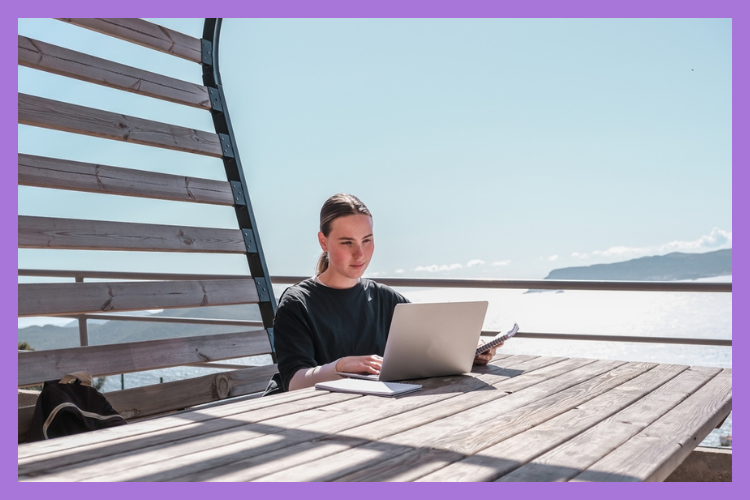
A Brief Primer: The Rise of a Digital Nomad Aesthetic
Although it may seem like the digital nomadic lifestyle is a relatively new concept, this is not the case. This way of living stretches back decades, before the arrival of Instagram, TikTok, YouTube and other social media platforms. There were consultants, freelancers and writers working with laptops in far flung corners of the world, but the arrival of social media made this more visible. Almost overnight, a person could develop and be perceived to be living a lifestyle brand and work from anywhere.
In the modern day, this digital nomad aesthetic is more focused on visual storytelling. There is less of an emphasis on functionality and practicality. This is why we see a plethora of content displaying morning yoga on the beach, artisanal coffees, color-coded bullet journals, ocean-view cafes and more. This type of content evokes feelings of creativity, freedom and the lifestyle becomes the purpose. A scroll through a feed of relevant tags on TikTok and Instagram shows a workday where every action is a moment for content generation to promote the allure. There are entire Pinterest boards devoted to “workation” as a goal and even LinkedIn will amplify online freelance hustling if an occasional leadership post is generated.
This is a fantasy that’s attractive because it’s geared towards universal cravings, such as: adventure, autonomy and spontaneity. But, in reality it doesn’t meet these needs, every sunrise workout shot is carefully orchestrated and hyper-curated. The shots are staged, filtered and fleeting, is this excellent aspiration content? Yes, but it’s performative and the audience find the content compelling because it is designed to be perfectly consumable.
The Reality Check: The Finances, Logistics and Emotional Labor
Packing our bags to jet off to a new country is a romantic notion, but there are significant hurdles to overcome. Certain nations may allow a digital nomad to stay there for months at a time and others may require a business permit. The visa system may be restrictive, expensive and confusing for those that don’t speak the language. Time zones can be a huge challenge, that business call you imagine making from a beach in Bali could require you to be up and on the phone at 3am! Lets’s break this down into three key areas, finances, logistics and emotional labor:
The Finances: Illusory Freedom
Most freelancers and remote workers may on the surface look like they are liberated from a mundane work day, but their finances are hard to manage. The income streams tend to be inconsistent and the coworking nomad spaces can cost more than you may imagine. Access to stable internet connections, co-living spaces, flights, Airbnb, travel, eating out more and other factors can be costly.
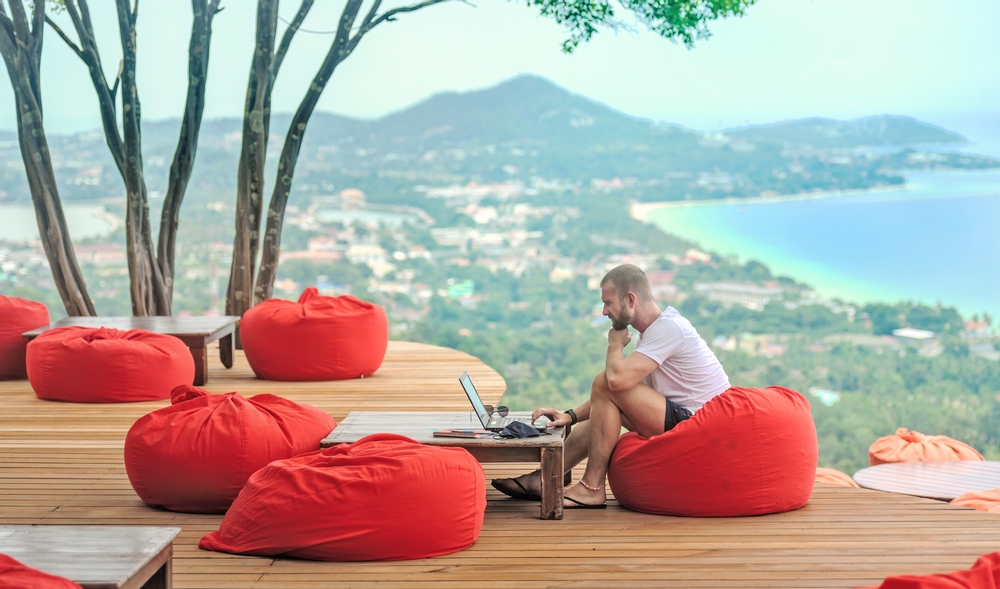
Effective budgeting may be complicated by visas, local taxes, transfer fees, exchange rates and other “hidden” expenses. The more successful digital nomads set up multiple income streams, such as:: content creation, freelance gigs, online course creation, print on demand (POD), affiliate marketing and more. They may live a cheaper lifestyle in a tropical paradise, but this often equates to limited amenities. As a concept, financial freedom and stability are possible, but it’s a tough challenge to balance a variable income with fluctuating costs.
Logistics: Accommodation, Services and Travel
We can imagine staying in a spectacular villa, but these types of accommodations are not cheap. In reality, it's likely that a stay in a tiny studio, with no AC and other issues is the alternative. Access to coworking spaces can help, but there are variances in quality and reliability. In many places the public WiFi is poor and inconsistent. Transportation is another pain point, buses, trains and flights can be expensive, exhausting and delayed. The visa run is a regular chore in Europe and Southeast Asia in particular. The aesthetic appeal of a digital nomad fantasy often conceals routine logistical challenges.
The Emotional Toll: Burnout and Loneliness
Even if the income, finances, logistics and other factors can be brought under control there is still an emotional toll to consider. Among digital nomads loneliness is a common issue, any human connections tend to be digital, temporary and fleeting.
This community moves around a lot and decision fatigue is a real problem. Some common daily questions may include: Where do I sleep next? Where can I eat? Where will I work? After a while the thrill of constant adventure fades, the reality is that remote work requires discipline, focus and resilience. Friendships, family connections and romantic relationships will fray under the pressure of continuous travel. Many digital nomads report a feeling of “temporal dislocation” they feel nowhere and everywhere at once? The risk of burnout is high, a carefully curated online persona can conceal tension that’s hard to notice in a TikTok or Instagram post.
Exploring the Work-Life Balance Myth
Social media platforms are fueled by digital nomads showing a life where working in paradise comes with no significant consequences. But, in reality things are far more complex and the necessity of work doesn’t pause because you have an exotic view. The client expectations remain, emails must be answered, deadlines need to be met and yet we are led to believe that remote work equals flexibility.
In fact, the boundary between leisure and work is probably the most insidious challenge that any remote worker will face. At first glance each day looks like a potential vacation, but the demands of work make unplugging a difficult prospect. When we lack a daily commute to an office that triggers our “work mode,” self-motivation is extremely important. If you relax in the same hammock that you work in, how do you keep the two activities separate?
The human brain can struggle to differentiate between work hours and downtime and this can lead to guilt and a feeling that you’re always at work. Some digital nomads report that they can only muster partial attention for any given task because their mental bandwidth is stretched to the limit. Imagine trying to create content as you’re travel planning and trying to deal with internet connection issues. This can result in burnout that only looks like freedom to the casual observer.
There is a great deal of pressure to amplify the social media driven illusion that everyone is achieving a perfect work-life balance as they explore the world. When you buy into this and attempt to replicate, it’s easy to fall into a comparison trap. If you can’t do this and you feel left behind, it’s easy to feel inadequate. Even a simple leisure activity can be complicated because it’s hard to enjoy life if you’re feeling guilty about being unproductive. There is a risk that relaxation time becomes a work task and that all activities turn into a source of content to keep the illusion going.
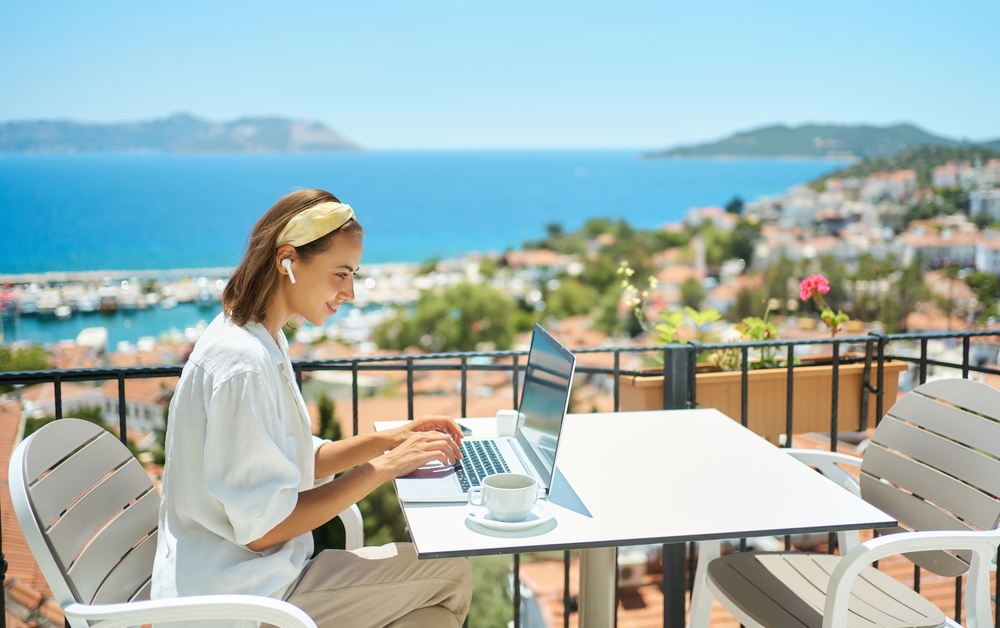
A key aspect of an effective work-life balance is relationships with a romantic partner, friends and family members. Maintaining these connections requires effort and making a call across time zones is a significant challenge. Gradually, there may be missed birthdays and the holidays are going to be different in other nations. In many ways, a nomadic lifestyle can create a paradox, the person becomes surrounded by new faces and places and yet they become emotionally distant to the people that matter most.
The aesthetic of a digital nomad also introduces a source of pressure that you simply don’t have in a “traditional” work environment. There is an expectation to document everything from your morning coffee to the sunset and everything inbetween. Creating and maintaining a lone person that appears to be productive and somehow living a carefree life can be exhausting. Some digital nomads have admitted that they spend more time staging content for their audience than authentically enjoying their lives. This flips the script, the quest for freedom has devolved in a series of performative actions that inhibit freedom.
Is a Nomadic Work-Life Balance Achievable?
Given what we’ve explored up to this point it would be easy to dismiss the digital nomad lifestyle because it’s impossible to create the optimal work-life balance. This is not true, but it takes a lot of work and self-discipline to achieve. The first consideration is to set defined office hours and outside those times you’re not working. It’s important to unplug from social media to reclaim autonomy and protect your sanity. A lot of potential issues can be avoided if you choose accommodation that has a reliable WiFi connection.
It may seem that travelling is at the core of work-life balance problems. This is not necessarily the case, the more important consideration is the structure of your life. One of the best ways to travel and work is to adopt a slow travel mindset. Avoid hopping around, go to a place and stay there for a few weeks or months. This will deepen the social and cultural experience and reduce your stress levels at the same time. Many digital nomads find a place they really like and return to it as a travel hub as they explore a new region.
When digital nomads work and travel, they can lack self-awareness and they don’t manage their expectations. A lifestyle that looks like paradise on Instagram is often a carefully crafted combination of leisure, work and social media posts that are designed to evoke positive feelings. Take some time to recognize this for what it is, pretending that this is a viable way to live long-term is unrealistic. For many people this is their first step towards a positive and enjoyable remote working travel experience.
What Does the Digital Nomad Trend Reveal About Our Work-Life Aspirations?
A digital nomad aesthetic has considerable appeal, it reveals a desire for autonomy, flexibility and a yearning for meaningful experiences. For many of us, work is not a 9-to-5 experience, we want to integrate it into our lives and travelling aspirations. But, this gets to the core of matter, reality and fantasy are equally valuable: the former offers a practical living blueprint and the latter can inspire us. This is why audiences find this lifestyle compelling, it feeds into a deep desire to escape a mundane life and maintain productivity at the same time. The pain point is the tension created between the messy reality and curated perfection that muddies the water. Many digital nomads will admit that work-life integration is possible, but it’s imperfect, complex and spontaneous, “Instagram-ready” posts are a rarity.
7 Tips to Create a Realistic Digital Nomad Lifestyles
If you’ve scrolled through the Instagram posts and enjoyed the TikToks, you may be thinking “This looks great, I could do this too”. But, before you book your one-way ticket to exotic climes and pack a backpack, it’s a great idea to learn what can make a digital nomadic lifestyle work. Forewarned is forearmed, if you want avoid breaking the bank, burning out and falling into depression here are seven tips to follow.
7. Create a Plan
The allure of a digital nomadic lifestyle is spontaneity, but with no plan to follow, this can become chaotic and the chances of success are limited. At the bare minimum, plan the first month, identify the location, get the visas, accommodation and coworking spaces organized. Approach this this month as a semi-structured adventure with a framework to keep you afloat as you learn more about this lifestyle.
6. Reliable Internet is a Priority
With no reliable WiFi, you cannot work and earn money and this will derail your plans quickly. Before you make any commitment to a location, research the coworking spaces, cafes and long-term rentals that have verifiable fast internet. Consider a backup solution, SIM cards with data, a portable hotspot or a local mobile plan.
5. Choose Slow Travel Over Constant Hopping
Making a weekly jump from city to city can look like an exciting prospect on social media, but it’s expensive, exhausting and a logistical nightmare. A better approach is to stay in one place for a few weeks or months to explore, build a community and reduce costs. If you take the time to look around, you can go much deeper than a brief glance at the scenery.
4. Set Clear Boundaries
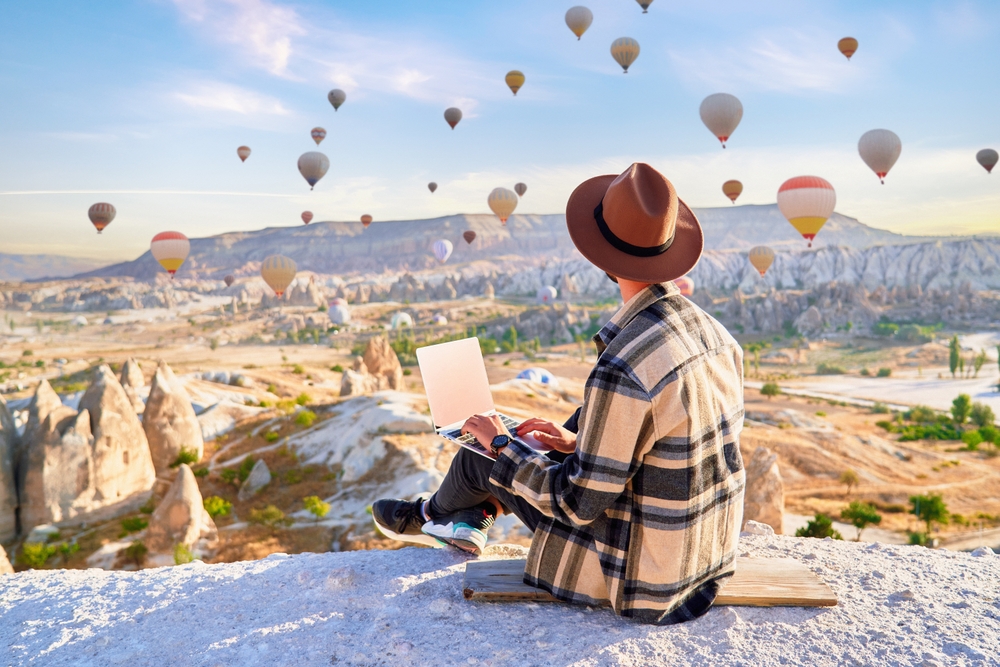
It’s important to have defined work hours, even if your office is a hammock on the beach. Make sure that you communicate your availability to clients, protect your personal time and schedule regular breaks. Without strong boundaries, it’s all too easy to burnout and if you’re working 24/7, how can you enjoy life?
3. Learn Financial Literacy
Budgeting is incredibly important and it makes all the difference for those that want to create a sustainable digital nomad lifestyle. Track your income, expenses and the local cost of living using an app, such as: YNAB, Notion or even a simple spreadsheet.
Make sure you factor in the “hidden costs”: visa fees, health insurance, flights and the occasional Instagram worthy coffee or meal. It’s OK to treat yourself, after all you’re on an adventure, but make sure you can afford to splurge.
2. Embrace the Local and Digital Community
There is a real risk of loneliness, so it’s important to join expat groups, local coworking spaces and online nomad communities, such as: Facebook, Meetup, Nomad List and others. Here you can find networking opportunities, social connections and events. Everyone needs some human contact to thrive and protect their mental health.
1. Adopt Contingency Planning
It’s rare that things go smoothly when you’re working, traveling and exploring at the same time. Sometimes stuff happens that’s completely out of your control, such as: a bout of illness, laptop crashes, cancelled flights, severe weather, a lean work period and more. This when contingency planning is your friend: insurance plans, backup files, an emergency fund and other safety nets can give you peace of mind.
Where Wanderlust Meets the Wi-Fi Signal
The life of a digital nomad can be a blend of reality and fantasy that offers inspiration and escapism. It’s alluring and compelling, but there are finances, emotional needs and logistical challenges that must be met. If you can embrace the chaotic nature of this lifestyle with contingency plans in place, it can be an immensely rewarding experience.