
A scroll through TikTok or Instagram may reveal a person sipping lattes in a Balinese treehouse using a bamboo straw or some other eco-travel flex. The caption will humble brag about “sustainable vacations” and this is a new frontier in performative trips. In this world, saving the planet is social currency and sustainability equals virality. With Gen Z that are hyper-connected and glued to their phones, this may feel like the next cultural phenomenon.
According to the Booking.com Sustainable Travel Report from 2023 more than 70% of Gen Z travelers are more likely to choose eco-conscious accommodations. This has reshaped how they plan a trip, back their bags and curate their social media friendly content. Some travelers are sincere in carbon footprint reductions, but the internet rewards aesthetics, narrative and visibility. Posting a picture of the solar-powered yurt that you’re staying in signals that you are cultured and morally conscientious.
From Hippie Trails to Hashtags: The History of Eco-Travel


This phenomenon did not begin with TikTok or Instagram and it’s been an evolving concept for decades. The roots lie in the 1960s and 70s when the counterculture movement began to be environmentally aware and think about how they travelled. A prime example would be the hippie trail with hitchhiking through Nepal and camping in Morocco. This was traveling on a tight budget, embracing low-impact living and exploring remote places. This was not carbon-conscious in the way we understand it today, but minimalism and respect for nature was already important.
With the arrival of the 1980s and 90s, eco-tourism became formalised as a concept. An argument began that environmental protection could be supported by responsible tourism. The nation that emerged as the model at this time was Costa Rica where travelers could experience the culture and wildlife without destroying them. There were organizations and NGOs like the International Ecotourism Society that began to define the best practices introducing frameworks, guidelines and certifications for what eco-conscious means.
With the dawn of the new millennium, eco-travel had entered the mainstream, low-cost flights and globalization made international travel accessible for all. The internet gave travelers the opportunity to research sustainable travel options and share their experiences. Early YouTube vlogs, travel bloggers and forums like Thorn Tree on Lonely Planet became hubs where ethical volunteering, eco-lodges and other topics were discussed. Sustainability had niche value, but it was gaining ground in the broader travel industry.
Next the social media wave hit with the launch of Instagram in 2010 which turned aesthetics into social currency. TikTok followed in the late 2010s to accelerate the trend with short-form video content. From this point, eco-travel was more about storytelling, social proof and visual identity over responsible behaviour. This could be seen in bamboo straw, reusable utensils and zero-waste beach trips selfies. This is the modern expression of values over those that were previously practiced privately. Now viral campaigns and hashtags like #EcoTourism, #SustainableTravel, and #TravelGreen have transformed a niche lifestyle choice into a mainstream cultural phenomenon.
Now, eco-travel is positioned at the intersection of aesthetics, social signaling and ethics. What began as a counterculture and conservation movement evolved into a digitally driven trend which mixes performative and meaningful elements. Gen Z travelers are existing in a world where social media is a reflex where history comes with a twist. Saving the planet is now accompanied with viral memes, duets, likes and other signifiers. The foundations laid in the 1960s and 70s have been turned into cultural currency and a serious flex with social media interactions.
Eco-Conscious Travel Goes Mainstream

The rise of eco-conscious travel is not solely about personal values, it’s cultural currency and travel brands have recognized the power of marketing sustainability. There are key terms like climate-conscious, sustainable and eco-certified that have been selling points for airlines, hotels and luxury resorts.
The Global Sustainable Tourism Council has released data that shows an increase in this market over the last decade. So, travelers are increasingly seeking accommodations and experience with a reduced environmental impact. The popularity of eco-travel is about optics, social media will reward performative sustainability. Uploading a TikTok showing a “zero-waste getaway” can generate significant engagement over a stale carbon-offset calculation. This introduces tension between visibility and authenticity where visual clips are curated to produce a perfectly framed experience.
Eco-Flexing: When Sustainability Becomes Social Currency
For Gen Z sustainability is a lifestyle choice and social media has transformed environmentalism into social capital. Sharing images of a tropical beach using reusable utensils or volunteering to work with reforestation groups sends a signal. The poster is demonstrating that they have taste, values and cultural literacy in their actions. The more visible an ethical choice, the higher the social clout which has led to eco-flexing. This is when the performance of sustainability will matter more than the action itself. An influencer can go viral with eco-friendly vacations even if their real environmental impact is questionable at best. This is a trend that has deep roots in social media culture, where aesthetic appeal and moral credibility are currency. In a very real sense, eco-flexing is performative activism, it’s a compelling mix of ethics, style and strategic content creation to garner likes and shares.
The Gen Z Authenticity Dilemma
Although Gen Z could be perceived as the most environmentally aware generation ever, they are engaged with environmental awareness in a performative manner. This is especially true online, but movements like Fridays for Future and viral campaigns like #ZeroWaste bring planetary consciousness into the cultural baseline. This is the core of the authenticity dilemma where a Gen Z traveler may shop local, offset flights, use reusable bottles and more, but it must be Instagrammable or it won’t be noticed. Humor plays a role in navigating this phenomenon with viral content framing eco-conscious choices in an ironic and self-aware manner. There are TikToks comparing “my Instagram aesthetic vs. my carbon footprint”. Gen Z tends to thrive in these contradictions, they can blend authenticity with performativity in a way that older generations may not understand.
The Role of Digital Media in Shaping Eco-Travel
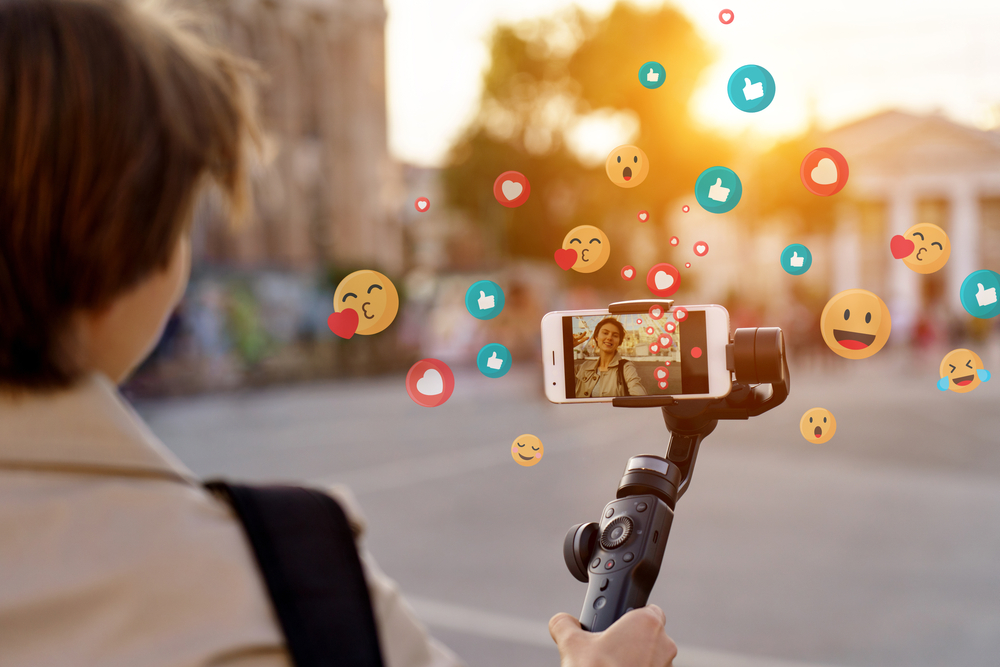
Platforms like TikTok, YouTube, Instagram and others do more than document culture shifts, they tend to create them. Algorithmic amplification, aesthetic-driven content, short-form video and other content can elevate eco-conscious behavior into virality. A simple hashtag like #SustainableVacation can transform a little eco-lodge into the latest global travel hotspot.
We’ve seen a host of these signifiers like: slow travel vibes, minimalist travel aesthetics, cottagecore aesthetics and more. These create the visual language that communicate the combination of aesthetic sensibilities and ethical considerations. This ecosystem has been a boost for eco-influencers like @ecotravelgirl on Instagram, @greenwanderlust on TikTok and others. These creators can create highly curated content mixing actionable tips, meal choices, eco-lodge review, reusable cutlery kits and more. The engagement algorithms are favorable for style over substance. A cinematic short reel of an attractive person meditating in a solar-powered treehouse can rack up hundreds of thousands of views. On the other hand, a detailed lecture on carbon offsets can garner very little attention.
The Algorithm of Virtue: How Platforms Reward Green Content
Social media doesn’t just reflect culture—it shapes it, often through invisible systems of reward. Platforms like TikTok, Instagram, and YouTube Shorts amplify sustainability when it fits the right rhythm: short, visually satisfying, and emotionally resonant. Clips of slow train rides through Europe, reusable coffee cups in golden light, and minimalist “what’s in my eco-bag” reels often rack up views not because they’re revolutionary, but because they look good and make the viewer feel good.
This is the new algorithmic virtue—where sustainability isn’t only about saving the planet but also about optimizing engagement. The more shareable your green moments, the more they’re surfaced, liked, and replicated. For creators, being visibly conscious becomes both moral performance and growth strategy. Hashtags like #ecotravel, #zerowastechallenge, and #consciousliving form micro-communities, but they also act as SEO for values, packaging ethics into searchable content.
The irony? Authenticity itself can become a kind of aesthetic filter. The rawer a clip looks, the more “real” it feels, even when it’s carefully edited to appear effortless. For Gen Z travelers, navigating this space means balancing genuine care for the environment with awareness of how algorithms monetize virtue—sometimes making the “look” of sustainability more valuable than the practice itself.
Brands, Marketing, and the Monetization of Sustainability
Large brands have noticed this trend, the terms “sustainable”, “socially conscious” and “Instagrammable” are marketing taglines. A luxury resort can charge $500 per night and advertise a “zero-waste accommodation package” to make a profit on the desire of visitors to virtue signal online. This does not render the content as meaningless, it can inspire people to make better eco-conscious choices.
Social media has gamified ethical behaviour, choosing zero-waste kits, ethical meals, reusable bottles and more become micro-content opportunities for creators. Each story, photo, reel and blog post is documentation and a powerful status signal. This creates a feedback loop, the ethical behavior encourages visibility and this reinforces behaviors in others. This is valuable even if it is for social rewards over genuine values.
The Rise of the “Greenfluencer” Economy
Sustainability has become a marketable identity—and greenfluencers are its new brand ambassadors. These are the creators who turn eco-conscious living into a lifestyle worth following: travel vloggers reviewing carbon-neutral resorts, thrift-fashion stylists transforming vintage finds, or minimalists documenting life with fewer things and smaller footprints. For many, sustainability isn’t just a value system—it’s also a business model.
As brands rush to showcase their environmental credibility, partnerships with eco-influencers have exploded. From reusable water bottle deals to sponsorships with low-emission airlines and “climate-positive” travel companies, greenfluencers now sit at the crossroads of activism and advertising. Their feeds blend personal passion with polished content, making sustainability aspirational—but also profitable.
This monetization of ethics raises tough questions about authenticity. When “doing good” becomes a career move, does it still hold the same weight? Some creators genuinely use their platforms to promote systemic awareness and accessible change. Others, however, blur the line between advocacy and aesthetic, using sustainability as a performance cue to attract sponsors or social clout.
The Psychology of Eco-Flexing
Choosing eco-conscious travel imparts a sense of identity and for Gen Z, visibility is equated with validation. All social media platforms will reward behaviours that closely align with trending narratives. So, small gestures like eating a plant-based meal, picking up litter, refilling a reusable bottle and more, can be opportunities for micro-content creation. The more aesthetically pleasing and story-worthy this content is, the higher the engagement will be.
But, there is a risk that eco-flexing can generate guilt, water usage, carbon emissions and travel waste may cause cognitive dissonance. This where “climate guilt humor” which is a viral-content ironic-genre rises to explore the tension. A TikTok showing a person sipping oat milk as they agonize over their weekend getaway emissions can highlight the contradictions between social performance and values in a playful way.
Cancel Culture Meets Carbon Culture
If sustainability is a new status symbol, accountability is its shadow. In the age of eco-flexing, one wrong post can trigger a backlash. Influencers who preach carbon-neutral travel but board long-haul flights are often called out for hypocrisy, sometimes losing followers or brand deals overnight. The same platforms that reward eco-content are quick to punish any perceived inconsistency, creating what some call “carbon cancel culture.”
This public policing reflects Gen Z’s obsession with authenticity—but it also exposes impossible standards. Can someone care about the planet yet still participate in systems that harm it? Most people can’t afford perfectly sustainable choices, yet online culture often treats imperfection as betrayal. The result is a digital tension between activism and aspiration: the desire to do better versus the fear of being shamed for not doing enough.
In many ways, eco-callouts reveal deeper issues of privilege and access. Who gets to travel “sustainably”? Who can afford carbon offsets or eco-lodges? Cancel culture around green behavior can spark real reflection, but it can also become performative—a way of signaling personal purity rather than building systemic change. For a generation fluent in accountability, the challenge isn’t just avoiding hypocrisy; it’s redefining sustainability as progress, not perfection.
Accessibility, Privilege, and the Eco-Travel Paradox

Choosing sustainable travel introduces higher costs, such as: eco-certified lodges, sustainable gear, carbon-offsetting apps and more. This is not financially accessible to many people and social media amplifies this. The aspirational experiences that are showcased require time and a significant amount of money. So, sustainability has become a status symbol, eco-conscious travel can feel performative because privilege is required to participate. However, aspirational content can inspire mindful travel decisions across multiple income levels. Those seeing a luxury eco-resort influencer trip could explore affordable alternatives. There is tension between aesthetics, accessibility and ethics, but it’s complex and it’s a core consideration in how Gen Z approaches eco-travel.
Technology and the Future of Eco-Travel
Technology has amplified the visibility of eco-travel with AI-driven trip planning, virtual reality tours, carbon offset calculators and more to make sustainable travel easier and shareable. A Gen Z traveler may use an app to calculate the carbon footprint of a flight, get an eco-friendly place to stay and generate the Instagram Storey summary.
The VR travel experience can allow a potential visitor to explore with no associated environmental cost. Trends like micro-adventures, regenerative tourism, slow travel, digital detox retreats and more are gaining traction. There are gamification elements like planting trees for posted selfies and others. This is where sustainability becomes a social performance and ethical practice which can be chaotic, creative and visually compelling.
How to Plan an Eco-Travel Vacation Without Losing Your Mind (or Likes)

If you want to post your vacation for clout and save the planet at the same time it is possible, if you follow eight simple tips.
Conscious Clout

So, what is the takeaway from all this? The key point is that authenticity and optics are intertwined if you want to make a difference and compelling content. Gen Z can be up to the challenge if they can balance chaos and social media posting with an alignment to environmental values. Sure, you can post the bamboo straw selfie and call it a day. But, if you want your content to really make a systemic change, it’s necessary to pair performative posting with authentic eco-conscious behaviours. An aesthetic and informative Reel can inspire thousands to follow your lead and what use is clout if you don’t use it for something worthwhile? The modern approach to this type of content can be ironic, contradictory and messy, but it is effective and it has transformed sustainability into a cultural currency.